Recovery After Endoscopic Spine Surgery: How Soon Can You Walk, Work and Exercise Again?
Medicine Made Simple Summary
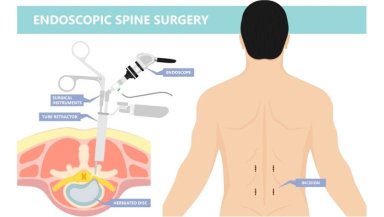
Endoscopic spine surgery is a minimally invasive procedure used to treat spine conditions such as slipped discs, sciatica, or nerve compression. In this surgery, doctors use a thin tube with a small camera called an endoscope to access the spine through a very small incision. The surgeon removes the portion of disc or tissue that is pressing on the nerve. Because the incision is small and muscles are minimally disturbed, recovery is often faster compared with traditional spine surgery. Most patients are able to walk within hours after surgery and gradually return to normal activities over the following weeks.
Understanding Recovery After Spine Surgery
Many people who are advised to undergo spine surgery worry about recovery. They often wonder how long they will need to stay in the hospital, when they will be able to walk normally, and how soon they can return to work or exercise.
Endoscopic spine surgery has gained attention because it is designed to reduce damage to muscles and surrounding tissues. Unlike traditional open spine surgery, this procedure uses very small incisions and specialized instruments.
Because of this minimally invasive approach, patients usually experience less postoperative pain and faster recovery.
However, recovery does not happen instantly. The body still needs time to heal, and following the doctor’s advice during this period is important for achieving the best outcome and ensuring a positive endoscopic spine surgery patient experience.
The First Few Hours After Surgery
One of the advantages of endoscopic spine surgery is that many patients can begin moving relatively soon after the procedure.
Once the surgery is completed and the anesthesia wears off, patients are usually encouraged to stand and walk with assistance.
Walking helps improve blood circulation and reduces the risk of complications such as blood clots.
Many patients are surprised that they can walk on the same day as their surgery. This early movement is often possible because the procedure causes minimal disruption to surrounding tissues.
Doctors and nurses monitor the patient closely during this period to ensure that the new nerve decompression is working properly.
Suggested Image: Illustration showing patient walking with assistance after surgery.
Hospital Stay and Discharge
Hospital stays after endoscopic spine surgery are generally shorter than after traditional spine surgery.
Some patients may be able to return home on the same day as the procedure, especially when the surgery is straightforward and the patient’s overall health is good.
Other patients may stay overnight for observation before being discharged the following day.
Before leaving the hospital, doctors usually provide instructions regarding medication, wound care, and activity restrictions.
These instructions are important for protecting the healing spine and preventing complications.
The First Week After Surgery
The first week after surgery is focused on healing and gradual movement.
Patients are usually encouraged to walk short distances several times a day. Walking helps maintain mobility and strengthens the muscles supporting the spine.
However, certain activities should be avoided during this time. Bending forward, lifting heavy objects, and sudden twisting movements can place stress on the healing spine.
Mild discomfort around the incision area may occur, but it typically improves within a few days.
Doctors may prescribe pain relief medications and anti-inflammatory drugs to help manage discomfort during this period.
Suggested Image: Diagram showing safe walking and posture during early recovery.
Returning to Daily Activities
During the second and third weeks after surgery, many patients notice significant improvement in their symptoms.
Pain caused by nerve compression often decreases as the nerve begins to recover.
At this stage, patients may gradually increase their daily activities.
Light household activities and short walks are usually encouraged. However, strenuous tasks should still be avoided.
Maintaining good posture while sitting or standing is important to prevent unnecessary strain on the spine.
Doctors may recommend gentle stretching exercises to improve flexibility and support healing.
When Can You Return to Work?
The timeline for returning to work depends on several factors, including the type of work performed.
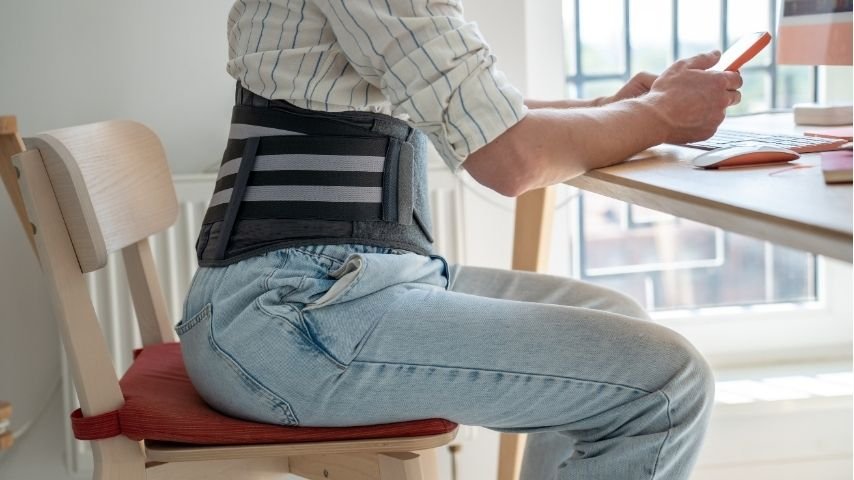
Patients with desk jobs or light duties may be able to return to work within two to four weeks after surgery.
However, individuals whose work involves heavy lifting or physical labor may need a longer recovery period before resuming their duties.
Doctors often recommend a gradual return to work to avoid placing excessive strain on the spine during the healing process.
Employers may also provide temporary adjustments such as reduced working hours or modified tasks.
Suggested Image: Illustration showing ergonomic posture for sitting at a desk.
Resuming Exercise and Physical Activity
Regular exercise plays an important role in maintaining spine health, but it should be resumed gradually after surgery.
Doctors often recommend starting with low-impact activities such as walking or gentle stretching exercises.
Physiotherapy programs may be introduced to strengthen the muscles that support the spine and improve flexibility.
Activities such as swimming or stationary cycling may also be recommended once healing progresses.
High-impact activities such as running, heavy weightlifting, or contact sports should usually be avoided until the doctor confirms that the spine has healed adequately.
Following a structured rehabilitation plan helps ensure safe recovery and reduces the risk of future spine problems.
Suggested Image: Illustration showing physiotherapy exercises for spine rehabilitation.
Signs of Healthy Recovery
During recovery, patients should gradually notice improvement in symptoms.
Pain in the leg caused by nerve compression often improves first. Tingling or numbness may also decrease as the nerve heals.
Improved movement and increased comfort while walking are positive signs of recovery.
The small incision from the surgery usually heals quickly and leaves minimal scarring.
Regular follow-up appointments allow doctors to monitor progress and address any concerns during the recovery period.
When to Contact Your Doctor
Although most patients recover smoothly after endoscopic spine surgery, it is important to be aware of warning signs.
Persistent or worsening pain, fever, swelling around the incision, or unusual weakness should be reported to the doctor.
These symptoms may indicate infection or other complications that require medical attention.
Prompt communication with the healthcare team helps ensure that any issues are addressed early.
Long-Term Spine Health After Surgery
Even after recovery, maintaining spinal health remains important.
Practicing good posture during daily activities reduces strain on the spine.
Regular exercise strengthens the muscles that support the back and improves flexibility.
Learning proper lifting techniques can help prevent future injuries.
Maintaining a healthy body weight also reduces pressure on the spinal discs.
These habits play a significant role in preventing recurrence of spine problems and supporting life after endoscopic spine surgery.
Suggested Image: Illustration showing healthy posture and spine alignment.
Understanding That Recovery Is Individual
Every patient’s recovery experience is different. Some individuals may recover quickly, while others may require additional time.
Factors such as age, overall health, severity of the spine condition, and adherence to rehabilitation programs can influence recovery speed.
Following the doctor’s advice, attending physiotherapy sessions, and maintaining healthy habits can help ensure a smooth recovery process.
Endoscopic spine surgery offers many patients the opportunity to return to an active lifestyle with less pain and improved mobility.
Conclusion
If you are experiencing persistent back pain or sciatica and are considering treatment options, consulting a spine specialist can help determine whether minimally invasive procedures such as endoscopic spine surgery are appropriate for your condition. Early evaluation and proper guidance can help you understand the recovery process and achieve the best possible outcome.
References and Sources