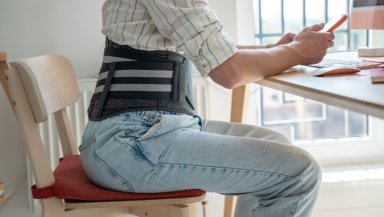
Living After Endoscopic Spine Surgery — When Can You Return to Work, Exercise and Normal Life?

Medicine Made Simple Summary
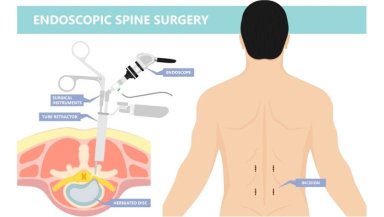
Recovery after endoscopic spine surgery is usually quicker than traditional open surgery because the incision is small and the muscles are not cut. Many people return to work within one to three weeks, start gentle exercise early, and resume most daily activities in a predictable timeline. However, recovery expectations can differ when there is a need for traditional surgery, which often involves a longer healing period due to larger incisions and more extensive tissue involvement. Some symptoms, such as stiffness or nerve tingling, can come and go during healing. Knowing what activities are safe, when to increase movement, and when to pause helps you return to normal life confidently while protecting your spine as it heals.
Introduction: Life After Surgery Matters More Than the Operation Itself
Most adults who choose endoscopic spine surgery do so because they want effective relief with minimal downtime, often after recognizing clear keyhole spine surgery signs that conservative treatments are no longer enough. They want to get back to work, exercise, family life and routine as quickly and safely as possible.
Typical questions include:
- “When can I go back to the gym?”
- “When can I drive again?”
- “Is travel safe?”
- “How soon can I return to a physical job?”
- “What movements should I avoid early on?”
This article answers these questions in simple, realistic terms based on typical recovery responses and what surgeons commonly advise. While healing varies by individual, most people follow similar recovery patterns.
1. The First Few Days: Setting the Foundation for Recovery
The first 72 hours after surgery shape your recovery. Most people return home the same day, while a few stay overnight depending on the surgeon’s plan.
What to expect physically
- Mild incision soreness
- Mild back stiffness
- Early relief of arm or leg pain
- Temporary numbness or tingling as nerves recover
These symptoms are normal and tend to improve steadily.
Movement during this period
Walking is your main activity. It improves circulation, prevents stiffness and lowers the risk of blood clots.
Short, frequent walks are better than one long walk.
What to avoid
- Long periods of sitting
- Heavy lifting
- Bending at the waist
- Twisting movements
Your primary goal is gentle mobility, not exercise.
2. Returning to Work: A Practical, Real-World Timeline
Work return depends on the nature of your job rather than the surgery alone.
Desk jobs (remote or office)
Most people return to desk work within 1–2 weeks.
You may need to:
- Take short standing breaks
- Use a supportive chair
- Adjust workstation ergonomics
- Avoid long meetings without movement
Light physical work
Jobs involving light physical activity—such as teaching, retail or supervision—usually resume in 3–4 weeks.
Most patients can:
- Stand for longer periods
- Walk regularly
- Perform light duties
Heavy manual labor
Jobs involving lifting, bending or repetitive strain require 6–12 weeks, depending on:
- Recovery speed
- Strength levels
- Surgeon’s assessment
Returning too early increases the risk of re-injury or disc recurrence.
3. Driving: When It Is Safe to Get Behind the Wheel
Driving depends on three conditions rather than a strict timeline.
You can drive when
- You are off strong pain medication
- You can sit comfortably without stiffness
- You can turn your neck or torso enough to check blind spots
For many patients, driving becomes comfortable within 7–14 days.
Caution for early drivers
Short trips are best initially. Avoid long distances until you feel fully in control and react quickly without pain.
4. Sitting, Standing and Daily Movements
How you sit and move affects how quickly you recover.
Sitting
- Limit early sitting to short intervals
- Choose chairs with lumbar support
- Avoid deep, soft sofas that sink your pelvis
Standing
- Standing is generally easier than sitting early on
- Change positions regularly
- Avoid standing still for long periods
Bending and lifting
These are higher-risk movements in early recovery.
Avoid:
- Bending forward to pick things up
- Twisting from the waist
- Lifting more than 2–3 kg the first two weeks
Later, your surgeon will guide how much you can safely lift.
5. Exercise After Endoscopic Spine Surgery: What You Can Do and When
One of the biggest advantages of endoscopic spine surgery is the ability to return to exercise earlier than traditional methods—but it must be done in phases.
Phase 1: Week 1–2 (Healing and mobility)
Safe activities include:
- Walking
- Gentle stretching
- Slow pace stationary cycling (if comfortable)
Avoid gym workouts, bending workouts or weightlifting.
Phase 2: Week 3–6 (Light strengthening)
Activities that may begin with surgeon approval:
- Light core exercises
- Low-resistance gym machines
- Elliptical trainer
- Swimming once the incision is fully healed
Swimming is excellent because it unloads the spine.
Phase 3: Week 6–12 (Progressive strengthening)
At this stage, many patients resume:
- Moderate-intensity cardio
- Bodyweight exercises
- Light strength training
- Controlled Pilates or yoga (avoid deep twists)
Phase 4: Beyond 12 weeks (Return to full activity)
Most patients—if healing is smooth—can return to:
- Running
- Heavier lifting
- Competitive sports
- More advanced workouts
The pace varies depending on nerve recovery and fitness level before surgery.
6. Sexual Activity: A Common Question Patients Hesitate to Ask
Sex is physically safe once pain is controlled and the incision discomfort has eased.
General guidance
- Many surgeons allow resuming activity in 2–4 weeks
- Avoid positions that require bending or heavy lifting
- Start slowly and stop if discomfort increases
Communication with your partner helps you maintain comfort and confidence.
7. Travel After Endoscopic Spine Surgery: When and How
Travel plans should be timed carefully because sitting for long periods stresses the spine.
Short car trips
Safe within 1–2 weeks, with breaks every 30–45 minutes.
Long car journeys
Wait 2–4 weeks, depending on comfort.
Air travel
Most surgeons recommend waiting 4–6 weeks, especially for long flights.
Why this matters
- Prolonged sitting increases back pressure
- Risk of leg swelling or clots is higher after surgery
- Pain may flare during takeoff or landing
If travel is unavoidable, walk regularly during the journey.
8. Sleep Positions and Comfort
Good sleep supports nerve recovery and reduces inflammation.
Recommended positions
- Sleeping on your back with knees slightly elevated
- Sleeping on your side with a pillow between your knees
Positions to avoid early on
- Stomach sleeping
- Deep twisting positions
Sleep comfort typically improves as muscle stiffness reduces.
9. Returning to Household Responsibilities
Most daily chores can resume gradually based on comfort.
You can safely do
- Light meal preparation
- Short shopping trips
- Folding laundry
- Light cleaning without bending
Avoid early on
- Vacuuming aggressively
- Lifting heavy grocery bags
- Mopping
- Moving furniture
Even simple chores can strain the spine if done incorrectly.
10. Understanding Nerve Recovery: Why Symptoms May Come and Go
Nerves heal slowly. Even after successful surgery, you may feel intermittent symptoms.
Normal sensations during nerve healing
- Tingling
- Brief electric shocks
- Warm or cold sensations in the leg or arm
- Fluctuating numbness
These sensations show the nerve is waking up and regaining function.
When to worry
- Weakness that gets worse
- Pain that increases daily instead of decreasing
- New numbness not present before
These symptoms should be reported to your surgeon.
11. When Can You Resume Normal Life Fully?
Most people feel close to normal around 6–8 weeks, though the timeline varies and often raises common spine surgery questions about daily activities and recovery expectations.
Typical milestones
- Driving comfortably: 1–2 weeks
- Desk work: 1–2 weeks
- Light work: 3–4 weeks
- Light exercise: 3–6 weeks
- Heavy work: 6–12 weeks
- High-impact sports: 3+ months
Many patients enjoy meaningful improvement in life quality earlier because the incision is small and tissue trauma is minimal.
Conclusion
If you’re preparing for endoscopic spine surgery or recovering from one, schedule regular follow-up visits with your spine surgeon. Ask for a personalized activity plan based on your job, lifestyle and fitness goals. The more clearly you understand your recovery timeline, the faster and safer you can return to work, exercise and normal life.
References and Sources
Spine-Health – Back and Neck Pain Information
American Association of Neurological Surgeons (AANS)