Recovery After Endoscopic Spine Surgery — What’s Normal and What Should Alarm You

Medicine Made Simple Summary
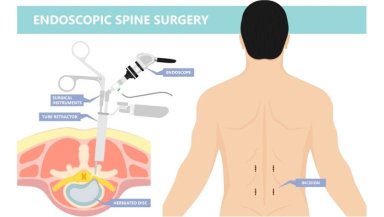
Recovery after endoscopic spine surgery is usually faster and smoother than traditional open surgery because the incision is small and muscles are not cut. Most people walk on the same day, go home within hours and return to desk work in one to two weeks. Soreness around the incision, mild back stiffness and temporary nerve-related sensations are common. In a small number of cases, if symptoms do not improve as expected, there may be a need for traditional surgery. However, increasing weakness, fever, drainage from the wound or sudden worsening of pain are signals to call your surgeon. Understanding what is normal and what is not helps you recover confidently and safely.
Introduction: Why Recovery Questions Matter More Than the Surgery Itself
Most adults considering spine surgery worry less about the operating room and more about what happens afterwards. Patients frequently ask:
- “When will I feel normal again?”
- “How long should pain last?”
- “What if numbness returns?”
- “When can I drive or go to work?”
- “How do I know if something is wrong?”
These questions are practical and important. Endoscopic spine surgery is minimally invasive, but it still involves healing, nerve recovery and tissue repair. By understanding normal recovery versus warning signs, you can avoid unnecessary fear, spot issues early and rebuild mobility with confidence.
1. The First Few Hours After Surgery: What You Should Expect
Recovery begins immediately after the procedure. Most patients wake up in a recovery room under close monitoring.
What you will likely feel
- Mild soreness around the incision
- Stiffness in the lower back or neck depending on the surgical area
- Early improvement in leg or arm pain
- Tiredness from anesthesia
For many patients, the most noticeable change is relief of nerve pain, especially if a disc fragment was removed.
When you will start moving
The medical team usually encourages you to:
- Sit up within an hour
- Stand with assistance soon after
- Walk before discharge
Walking stabilizes circulation, prevents stiffness and helps the back adjust to its new mechanics.
Suggested Image
Recovery room illustration showing early walking.
2. Going Home: Same-Day or Next-Day Discharge
Most patients leave the hospital the same day.
What determines discharge timing
- How comfortable you feel standing and walking
- Pain levels
- Stability after anesthesia
- Surgeon’s preference and hospital protocol
Some patients, especially older adults or those with medical conditions, may stay overnight.
Discharge instructions typically include
- How to care for the bandage
- How often to walk
- Which positions to avoid
- How to take pain medication
- When to follow up with your surgeon
Clear discharge instructions are one of the strongest predictors of smooth recovery.
3. Normal Pain After Endoscopic Spine Surgery
Many patients are surprised that pain levels are often low because the incision is small and muscle disruption is minimal.
What normal post-surgery pain feels like
- Aching around the incision
- Deep muscle soreness
- Tightness when bending
- Mild discomfort when getting out of bed
This type of pain usually improves steadily each day.
Pain that comes from nerve recovery
Some patients experience intermittent tingling, pulling or “electric” sensations in the leg or arm. This happens because the nerve is healing from months of compression.
These nerve-related sensations are normal and often temporary.
Pain patterns that are NOT normal
- Severe back pain that increases daily
- Sudden sharp pain not present before
- Pain accompanied by fever
These symptoms require medical review.
4. Mobility and Activity: What You Can Do in the First Two Weeks
One of the strongest advantages of endoscopic spine surgery is rapid mobility.
Walking
Patients are encouraged to walk several times a day.
Benefits include:
- Faster healing
- Improved circulation
- Less stiffness
- Lower risk of clot formation
Sitting
Short periods are fine, but long periods can strain the back. Patients should change positions regularly.
Driving
Most surgeons recommend waiting until:
- Pain is controlled without strong medication
- Mobility is comfortable
- You can twist slightly to check blind spots
This typically occurs within 1–2 weeks.
Household activities
Light chores are usually safe if they avoid bending, twisting or lifting.
What to avoid
- Heavy lifting
- High-impact exercise
- Bending from the waist
- Prolonged sitting
Following these guidelines protects the healing area.
5. Returning to Work: Realistic Timelines
Your return to work depends on the type of job you have.
Desk or remote work
Most people return within 1–2 weeks.
Light physical work
Many resume duties within 3–4 weeks, with temporary modifications.
Heavy labor or repetitive lifting
This often requires 6–12 weeks of recovery and doctor clearance.
Why recovery times differ
- The surgical area (cervical vs lumbar)
- Pre-surgery symptoms
- Fitness level
- Whether nerve recovery is slow or fast
Your surgeon will offer personalized guidelines during follow-up visits.
6. Wound Care: What Normal Healing Looks Like
Endoscopic spine surgery uses a very small incision, usually closed with one or two stitches or tape strips.
Normal wound appearance
- Dry
- Mild redness
- Slight swelling around the incision
- Minimal tenderness
Normal healing timeline
- Day 1–3: Mild soreness and tightness
- Day 3–7: Reduced discomfort, easier mobility
- Week 2: Incision is usually well sealed
- Week 3–4: Scar begins to fade
What is not normal
- Thick yellow or green discharge
- Increasing redness
- Warmth around the wound
- Persistent bleeding
- Opening of the incision
These may indicate infection and require medical attention.
7. Nerve Recovery: Why Symptoms May Come and Go
Nerves heal slowly. Even after decompression, they may take weeks to months to function fully.
Normal nerve healing sensations
- Occasional tingling
- Pins-and-needles
- Brief electric shocks
- Mild aching in the limb
These sensations often mean the nerve is “waking up.”
Why nerves take longer to heal
When compressed, a nerve loses its ability to transmit signals normally. Even after pressure is removed, the outer coating of the nerve (myelin) must regenerate.
Symptoms that require attention
- Increasing weakness in the arm or leg
- Loss of bladder or bowel control
- Worsening numbness
These are urgent issues and need immediate evaluation.
8. Common Normal Experiences During Recovery
Patients often experience a predictable set of symptoms that—while surprising—are normal.
Expected experiences
- Fatigue for a few days
- Tightness when standing up
- Mild back or neck stiffness
- Soreness after long walks early in recovery
- Light muscle spasms
- Pain when sitting too long
These symptoms typically improve with movement and time.
9. Red Flags: Signs That Should Alarm You
It is essential to know when to call your surgeon.
Serious symptoms to watch for
- Sudden increase in leg or arm pain
- New or worsening weakness
- High fever
- Chills
- Drainage from the incision
- Difficulty controlling bowel or bladder
- Severe headache (may indicate a dural tear)
- Pain that becomes more intense each day rather than less
Early contact with your doctor can prevent complications.
10. Physical Therapy: When It Starts and Why It Matters
Not all patients need formal physiotherapy, but many benefit from guided exercises.
Goals of physical therapy
- Improve posture
- Strengthen supporting muscles
- Prevent recurrence
- Improve flexibility and endurance
Typical timeline
Most surgeons begin physiotherapy 2–6 weeks after surgery, depending on symptoms.
What therapy focuses on
- Core stabilization
- Hip mobility
- Back muscle conditioning
- Nerve gliding exercises
A structured program supports long-term recovery.
11. Long-Term Recovery: What Happens After the First Month
After four weeks, most patients notice significant improvement.
Expected progress
- Stronger mobility
- Less stiffness
- Improved work tolerance
- Better sleep due to reduced nerve pain
When full recovery occurs
- Many patients feel near-normal by 6–8 weeks
- Those with long-standing nerve compression may take 3–6 months for full nerve recovery
The endoscopic approach speeds recovery, but nerves still follow their own natural timeline.
Conclusion
If you are preparing for endoscopic spine surgery or are currently recovering, choosing a surgeon you trust and speaking with them about what your specific recovery should look like is essential. Understanding normal healing patterns and early warning signs helps you feel more confident and ensures that you return to work, exercise, and daily life safely and at the right pace.
References and Sources