What Is Endoscopic Spine Surgery? A Simple Guide for Patients Hearing It for the First Time

Medicine Made Simple Summary
Endoscopic spine surgery is a minimally invasive procedure used to treat common spine problems such as slipped discs, nerve compression and spinal stenosis. Instead of a large cut, surgeons use a thin tube and a small camera to reach the problem area through a tiny incision. This allows them to remove disc material or bone spurs without disturbing much muscle or tissue. Because the surgery is gentler on the body, patients usually experience less pain, faster healing and a shorter hospital stay. It offers many people a safer, quicker path to relief.
Why Patients Are Suddenly Hearing So Much About This Surgery
Many people today suffer from back pain, leg pain or nerve-related symptoms caused by issues in the spine. As traditional surgery can be invasive and requires longer recovery, patients naturally look for safer, quicker options. Endoscopic spine surgery has gained attention because it offers the same goal as open surgery—removing pressure from nerves—but with far less damage to surrounding tissues.
Patients on forums, support groups and clinic waiting rooms often ask the same questions:
- What exactly is this surgery?
- Is it really less painful?
- How does it work?
- Is it safe?
This article explains the procedure in simple language so you can understand what it is, how it helps and when it might be recommended.
Understanding the Basics: What Endoscopic Spine Surgery Actually Means
The Idea Behind Minimally Invasive Spine Surgery
In traditional spine surgery, surgeons make a large incision and move muscle aside to reach the spine. This can cause pain, muscle weakness and longer recovery.
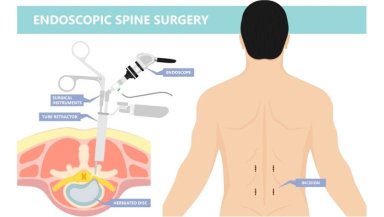
Endoscopic spine surgery uses a different approach. It relies on a tube-like device inserted through a tiny incision, often less than a centimeter. A small camera (endoscope) sits inside this tube. Through the tube, surgeons can insert mini instruments to remove the problem causing nerve pressure.
The main idea is simple:
Reach the problem with as little disturbance to healthy tissue as possible.
How the Camera Changes Everything
The camera gives the surgeon a clear, magnified view of the spine on a monitor. This allows very precise work. The surgeon does not need to make a big opening or separate muscles by hand.
The endoscope acts like a window to the inside of the spine.
Why Smaller Surgery Often Means Faster Recovery
Since less tissue is damaged during the procedure:
- There is usually less bleeding
- There is less pain afterward
- Patients can walk sooner
- Hospital stay is shorter
- Return to normal life is quicker
Doctors often perform this surgery as a day-care or short-stay procedure.
Conditions Endoscopic Spine Surgery Can Help Treat
- Slipped or Herniated Disc: This is one of the most common reasons for back or leg pain. A disc can bulge or rupture and press on nerves. Endoscopic surgery allows the surgeon to remove only the portion of the disc causing trouble.
- Nerve Compression (Radiculopathy or Sciatica): Pain shooting down the leg or arm happens when a nerve is squeezed. Endoscopic tools allow delicate removal of bone or tissue pressing on the nerve.
- Spinal Stenosis: As we age, the spinal canal narrows. Bone spurs or ligament thickening reduce space for nerves. Endoscopic techniques help widen these tight spaces without large surgery.
- Recurrent Disc Herniation: If a disc slips again after past surgery, endoscopic surgery may be a good option with less scarring.
- Some Types of Back Pain Related to Facet Joints: Under guidance, surgeons can use endoscopic tools to treat joint-related pain in select cases.
How Surgeons Perform Endoscopic Spine Surgery: A Simple Walkthrough
Step 1: Planning and Imaging
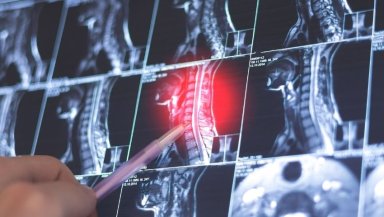
Doctors use MRI or CT scans to see where the nerve is compressed. This helps them plan the entry point and the safest path. The goal is always precision and minimal disruption.
Step 2: The Tiny Incision
The surgeon makes a small cut, usually about 8 millimeters. A thin tube is guided to the problem area under X-ray guidance. The tube creates a narrow pathway.
Step 3: Camera and Instruments Go In
The surgeon inserts the endoscope and mini instruments through the tube. The camera sends magnified images to a monitor.
Step 4: Removing the Problem Material
Depending on the condition, the surgeon may remove:
- A portion of herniated disc
- Bone spurs
- Thickened ligaments
The nerve is gently freed so signals and blood flow can resume normally.
Step 5: Closing the Incision
The incision is closed with a stitch or sometimes just a skin tape. Because the cut is so small, scarring is minimal.
Why Patients Prefer Endoscopic Surgery: Key Benefits Explained Simply
- Less Pain After Surgery: Traditional spine surgery requires moving muscle aside. Endoscopic instruments slide between muscle fibers, which reduces soreness.
- Smaller Scar: Many patients are surprised that the scar is barely visible.
- Short Hospital Stay: Some patients return home the same day. Others stay 24 hours. This reduces cost and disruption to family life.
- Faster Recovery and Return to Work: Many people return to light work within a week or two. Heavy work may take longer.
- Lower Risk of Infection: Smaller wounds and limited tissue exposure reduce infection risk.
- Reduced Blood Loss: The small incision and narrow working channel limit bleeding.
Is Endoscopic Spine Surgery Safe? What Parents and Patients Should Know
Experience Matters More Than Technology
While the technique itself is safe, outcomes depend heavily on the surgeon’s skill. An expert familiar with the method can handle delicate structures and avoid complications.
Not All Spine Problems Need Surgery
Doctors recommend surgery only when symptoms are severe or persistent, or when nerve damage risks become high.
Some Conditions Require Traditional Methods
Extensive instability, severe deformities or widespread stenosis may need more open approaches.
Communication With Your Surgeon Is Key
Ask your surgeon:
- Why is this surgery recommended for me?
- What are the expected benefits?
- What are possible alternatives?
A good surgeon explains the procedure in simple language.
Understanding Who Is a Good Candidate
Ideal Candidates Usually Have
- Clear nerve compression on imaging
- Symptoms matching MRI findings
- Persistent pain despite physiotherapy
- Leg or arm pain stronger than back pain
Age is not a strict barrier. Older adults often benefit because recovery is easier.
Patients Who May Not Be Suitable
- Severe instability of the spine
- Major deformities like advanced scoliosis
- Massive multi-level stenosis
- Certain infections or tumors
The decision is always individualized.
Recovery After Endoscopic Spine Surgery: What to Expect
Pain Relief Comes Early for Most Patients
Many feel improvement in leg pain soon after surgery. Back discomfort from the incision may last a few days.
Walking Is Encouraged
Doctors usually encourage walking on the same day of surgery. Movement improves healing.
Return to Daily Activities
Patients typically return to:
- Light household tasks within a few days
- Desk work within 1–2 weeks
- Exercise after medical clearance
- Driving once pain is under control and mobility returns
Physiotherapy Helps Build Strength
Although surgery fixes the nerve compression, physiotherapy helps improve posture, strengthen muscles and prevent recurrence.
Conclusion
If you have been advised to consider endoscopic spine surgery, speak with a spine surgeon who can explain whether this technique is right for your condition. When choosing a spine surgeon, ask about their experience, expected results, and recovery plan. Understanding the procedure helps you make an informed and confident decision about your spine health.
References and Sources