How to Choose a Good Spine Surgeon for Endoscopic Surgery — Questions to Ask Before Booking the Operation

Medicine Made Simple Summary
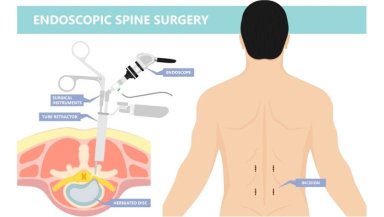
Choosing the right surgeon for endoscopic spine surgery is one of the most important decisions you will make, especially when you understand what is endoscopic spine surgery and how dependent it is on surgical skill. This type of surgery relies heavily on the surgeon’s skill, experience and comfort with minimally invasive tools. A good surgeon should perform these procedures regularly, show clear outcomes, explain risks honestly and tailor the treatment to your condition. Patients should ask about training, complication rates, expected recovery, available alternatives and what support is offered after surgery. Knowing the right questions helps you select a surgeon who combines expertise with safe, patient-centered care.
Introduction: Why the Surgeon Matters More Than the Technology
Endoscopic spine surgery is a sophisticated technique that uses a camera, a narrow working channel and specialized tools. But technology alone does not guarantee a safe or successful outcome. The surgeon’s experience, judgment, and precision determine how well the operation goes, how quickly you recover during recovery after endoscopic spine surgery, and how likely you are to avoid complications.
Patients often ask:
- “How do I know if a surgeon is truly experienced?”
- “What should I look for besides qualifications?”
- “Which questions reveal whether I’m in good hands?”
- “Do outcomes really depend on the surgeon?”
This guide answers these questions in plain language. It explains exactly what to look for and what to ask before choosing the specialist who will operate on your spine.
1. Understanding Why Expertise Matters in Endoscopic Spine Surgery
Endoscopic spine surgery is fundamentally different from open surgery. The surgeon works through a narrow tube, using a magnified camera view. This requires excellent hand-eye coordination, familiarity with the anatomy from an endoscopic angle and the ability to operate precisely in small spaces.
Why experience matters
- Endoscopic surgery has a steep learning curve
- The camera view alters depth perception
- Precision is essential to avoid nerve injury
- Complications decrease significantly with experience
- Incomplete decompression is more common with low-volume surgeons
What this means for patients
The surgeon you choose should routinely perform endoscopic procedures, not occasionally.
2. Surgeon Training: What Background Should You Look For?
Formal training indicators
A well-qualified endoscopic spine surgeon typically has:
- Fellowship training in minimally invasive spine surgery
- Hands-on training in endoscopic techniques
- Continuing education through workshops and simulation labs
- Certification from recognized national or international spine societies
Questions to ask
- “Did you receive formal training in endoscopic spine surgery?”
- “Where did you train, and for how long?”
- “Do you regularly update your training with new techniques?”
Surgeons comfortable with the procedure will answer confidently and clearly.
3. Case Volume: One of the Most Reliable Predictors of Success
Endoscopic procedures require repetition to perfect. High-volume surgeons tend to have better outcomes and fewer complications.
Why case volume matters
- Surgeons refine their technique with each case
- They learn to manage anatomical variations
- They develop better judgment about who is a suitable candidate
- They are more skilled at converting to alternate approaches when needed
Questions to ask
- “How many endoscopic spine surgeries do you perform each month?”
- “How many have you performed in total?”
- “How many cases similar to mine have you managed?”
What counts as meaningful experience
A surgeon performing at least 8–10 endoscopic cases per month is more likely to anticipate challenges during the endoscopic spine surgery procedure and manage them safely.
4. Success Rates and Outcomes: Asking for Real Numbers
Good surgeons should be open about their outcomes.
Data worth requesting
- Percentage of patients experiencing significant pain relief
- Recurrence rates for disc herniation
- Reoperation rates
- Complication rates compared to national averages
- Patient satisfaction scores
Interpreting outcome data
Look for:
- Consistency across years
- Transparent reporting
- Clear explanations for complications when they occur
Avoid surgeons who refuse to share outcomes.
5. Complication Rates: What You Should Know and What You Should Ask
Complications in endoscopic spine surgery are low, but they still occur. The key is understanding how a surgeon manages them.
Questions to address
- “What is your complication rate for this surgery?”
- “How often do your patients experience nerve irritation?”
- “How do you manage complications when they happen?”
- “How often do you need to convert to open surgery?”
What good surgeons will tell you
They will share their numbers openly, explain risks clearly and discuss safety practices without hesitation.
6. Technology and Equipment: Not All Endoscopic Systems Are Equal
A surgeon’s results partly depend on the quality of the equipment they use.
Components that matter
- Camera resolution
- Working channel design
- Instrument quality
- Advanced lighting systems
- High-frequency burrs and radiofrequency devices
Better equipment means clearer visuals and safer tissue handling.
Questions for your surgeon
- “Which endoscopic system do you use?”
- “Why do you prefer that system?”
- “Do you use uniportal or biportal techniques?”
The surgeon’s answers will show how familiar they are with the tools.
7. Patient Selection: A Good Surgeon Knows When NOT to Operate
One of the most important signs of a skilled surgeon is that they will tell you honestly if you are not a good candidate for endoscopic surgery.
Situations where endoscopic surgery may not be ideal
- Multi-level stenosis
- Severe instability
- Large deformities
- Major spinal canal narrowing
- Tumors or infections
- Certain recurrent cases
What responsible surgeons do
- Explain all alternatives
- Discuss expected outcomes for each option
- Do not recommend surgery when it will not help
A surgeon who always recommends surgery is a red flag.
8. Communication Style: How Well Does the Surgeon Explain Things?
Communication is a major predictor of patient satisfaction.
Traits of a good communicator
- Explains the problem using simple diagrams or scans
- Gives realistic expectations
- Answers all questions patiently
- Discusses risks openly
- Describes recovery steps clearly
Questions to ask yourself
- Do you feel rushed during the appointment?
- Did the surgeon explain your MRI in a way you understood?
- Were risks explained without sugarcoating?
Good communication builds trust and confidence.
9. Hospital or Surgical Center Quality: Why It Matters
Even the best surgeon relies on a team and facility.
What to evaluate
- Availability of high-quality imaging
- Dedicated endoscopic operating equipment
- Nursing staff experienced in spine cases
- Strict infection control protocols
- Emergency support if complications occur
A strong hospital system improves safety and recovery.
10. Support Before and After Surgery: The Often Underrated Factor
A complete spine surgery program includes more than the operation.
Support systems worth looking for
- Pre-surgery education
- Written recovery plans
- Access to a physiotherapist
- Regular follow-up visits
- Options for telehealth check-ins
- A coordinator to answer urgent questions
Patients do better when the care team is easily accessible.
11. Questions You Must Ask Before Booking the Operation
These questions help you judge whether you’re choosing the right surgeon.
Essential questions
- “What exactly is causing my symptoms?”
- “Is endoscopic surgery the best option for this condition?”
- “How many similar cases have you treated?”
- “What complications should I realistically expect?”
- “What is the expected recovery timeline?”
- “What happens if the pain does not improve?”
- “What are the alternatives to surgery?”
Questions about logistics
- “How long will the surgery take?”
- “Will I go home the same day?”
- “When can I return to work?”
The surgeon’s answers should be clear and consistent.
12. Red Flags: When You Should Consider Another Surgeon
Be cautious if you notice any of these red flags.
Serious warning signs
- Surgeons who do not explain risks
- Pressure to book surgery quickly
- Refusal to show outcome data
- No discussion of alternative treatments
- Limited experience with endoscopic techniques
- Lack of time for questions
- Unclear communication
If your instinct feels uncertain, seek a second opinion.
Conclusion
If you are considering endoscopic spine surgery, schedule consultations with at least two experienced surgeons. Compare their experience, outcomes, communication style and recovery plans. Choosing a skilled, transparent and patient-focused surgeon will significantly improve your safety, recovery and overall results.
References and Sources
American Association of Neurological Surgeons (AANS)
OrthoInfo Orthopaedic Education (AAOS)