Patients Who Chose Endoscopic Spine Surgery — What Worked, What Didn’t, and What They Wish They Knew

Medicine Made Simple Summary
Patients who choose endoscopic spine surgery usually appreciate the faster recovery, smaller incision and early improvement in nerve pain. Many say that walking within hours of surgery felt surprisingly easy and that their arm or leg pain settled more quickly than they expected. Others mention that nerve symptoms sometimes linger, stiffness lasts longer than anticipated and energy levels may dip for a week or two. Many patients wish they had understood the importance of daily walking, proper posture, realistic expectations and patience during nerve recovery. Listening to real experiences helps new patients prepare confidently.
Introduction: Why Patient Experience Provides the Clarity Medical Explanations Cannot
Medical descriptions explain the technical aspects of endoscopic spine surgery, but only patient experiences reveal what life actually feels like before, during and after the procedure. Adults considering this surgery want to hear about recovery in real, everyday terms. They want to know how much pain they might have, how quickly they can return to work, and whether their expectations match reality.
They also want an honest understanding of the challenges they might face so they aren’t caught off guard. Patients regularly ask whether the relief is immediate, whether numbness disappears overnight, whether they can drive within a few days, and whether occasional pain means something is wrong.
This article summarizes the patterns seen across thousands of patient accounts so you can understand what typically goes well, what may not, and how people feel about their decision after they have lived through the entire process.
Why Patients Choose Endoscopic Spine Surgery
Most adults who choose endoscopic spine surgery do so because they want a solution that helps them return to their normal lives quickly. They often juggle family responsibilities, demanding jobs or busy routines and cannot afford long periods of downtime. When surgeons describe the smaller incision, quicker mobility and shorter recovery time, many patients immediately feel drawn to the approach.
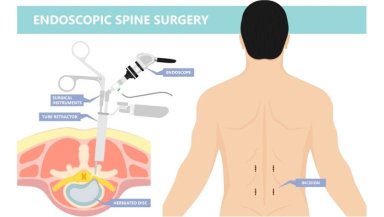
They like hearing that muscles are not cut, that the camera allows precise removal of the problem area, and that most people walk on the same day. These advantages are especially appealing to individuals who dread the idea of open surgery or have heard stories of long, difficult recoveries from traditional methods.
Patients consistently say that the minimally invasive nature of endoscopic surgery was one of the biggest reasons they chose it. They felt the benefits aligned better with their lifestyles, responsibilities and expectations.
What Worked Well for Most Patients
Patients commonly describe several experiences that stood out as positive, often exceeding their expectations. One of the most frequently mentioned is the early relief of nerve pain. Individuals with severe leg or arm pain often say the burning or shooting sensation eased dramatically within hours or days. Many find this rapid reduction in nerve pressure almost surprising because they had endured the discomfort for months and feared surgery might not help quickly.
Another aspect patients appreciate is the small incision. Many comment that the wound is barely noticeable and that the limited size reduces anxiety about wound care or infection. People also note how quickly they were able to walk. For many, taking their first steps after surgery felt reassuring and gave them confidence that they were on the path to recovery. Patients often say they needed fewer pain medications than expected and that the overall level of discomfort was milder than they imagined.
The shorter recovery time is another reason many people later describe the surgery as worthwhile. Those who return to work within one or two weeks often feel grateful they chose a minimally invasive approach. Individuals with families, especially those caring for young children or elderly parents, value the shorter downtime because it allows them to resume responsibilities sooner and with less stress.
What Didn’t Work as Expected
Even with many benefits, patients describe specific challenges that they did not anticipate. One common complaint is that nerve symptoms sometimes linger despite successful decompression. Patients often believe that numbness, tingling or “electric” sensations should disappear immediately, but nerves heal slowly. This can create worry or frustration when symptoms fluctuate rather than resolve instantly.
Several patients also mention that stiffness in the back or neck lasts longer than expected. Although the incision is small, internal tissues still need time to settle, and this stiffness can feel uncomfortable during certain movements or after long periods of sitting. Some individuals experience temporary pain flare-ups triggered by small mistakes, such as sitting too long or bending awkwardly. These flare-ups sometimes lead patients to fear something is wrong, even though they are often part of normal healing.
Many patients admit to underestimating how tired they would feel. Even minimally invasive surgery places stress on the body, and the first week often brings lower energy levels than anticipated. A recurring theme is that many people return to work too soon because they feel encouraged by the early mobility. However, sitting for long hours can cause stiffness or nerve irritation, reminding them that their bodies still need more time.
What Patients Wish They Knew Before Surgery
Across hundreds of patient accounts, several insights appear repeatedly. Many wish they had understood that nerve healing takes time. They expected immediate symptom resolution but later realized that recovery follows a gradual path. This is especially true for patients who had severe compression for several months. Others wish they knew how important daily walking is.
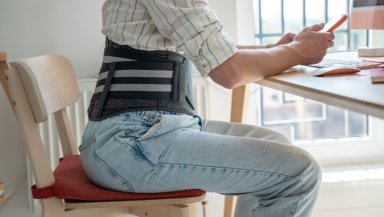
Patients who walk several times a day tend to regain mobility faster, while those who rest too much often feel stiff or slow to improve. Patients also report that posture plays a larger role in recovery than they imagined. Poor sitting habits, low-quality chairs or extended screen time can quickly aggravate healing tissues.
Many wish they had adjusted their workstations sooner. Another point patients stress is the importance of core strength. They often discover during rehabilitation that weak core muscles contribute to back stress and may have played a role in the original injury. Strengthening these muscles becomes essential for long-term success.
Lastly, many emphasize the importance of choosing the right surgeon. Patients repeatedly mention that surgeon experience affects outcomes, communication and confidence throughout the process. A surgeon who explains expectations clearly reduces uncertainty and helps patients feel more prepared.
What Patients Say About the Day of Surgery
The day of surgery is often smoother than patients expect. Many describe the experience as efficient and less intimidating than they imagined. They often mention feeling surprised at how quickly they were able to walk afterward.
The incision is typically much smaller than what they pictured, and some patients only notice a slight tightness rather than significant pain. The recovery room experience varies, but most report mild discomfort rather than severe pain. However, some patients mention feeling pressure during certain moments of the procedure if sedation rather than general anesthesia is used.
Others share that the first night can be difficult mainly because finding a comfortable position may take time. Many also recall waking up with back tightness when trying to stand, a sensation that improves as the day progresses. Overall, patients often reflect that the procedure was far less dramatic than they had anticipated.
Week-by-Week Recovery: How Most Patients Progress
Recovery varies, but a typical pattern emerges across many patient stories. In recovery after endoscopic spine surgery, the first week is often marked by incision soreness, noticeable relief of shooting nerve pain and increasing mobility as patients walk more frequently. Sitting remains somewhat uncomfortable, and patients often alternate between standing, lying down and short sitting periods. Between the second and third weeks, mobility improves significantly.
Stiffness decreases, and many people return to desk work or light responsibilities. Nerve sensations such as tingling or mild burning may come and go, which is normal. Between the fourth and sixth weeks, most patients report better activity tolerance, improved posture and more comfortable sleep. Some resume light exercise, and many feel confident engaging in routine daily activities. By the eighth to twelfth week, most individuals feel largely back to normal.
They report stronger movement patterns, greater endurance and improved quality of life. People who struggled with severe nerve compression before surgery may take longer to regain full sensation or strength, but overall progress is usually steady. Seeing this pattern helps new patients feel reassured when recovery fluctuates rather than progresses in a perfectly linear way.
Common Mistakes Patients Make Without Realizing It
Many patients admit that certain habits slowed their progress. One of the most common mistakes is sitting too long too early. Long periods of sitting place pressure on healing tissues and can trigger discomfort or flare-ups.
Many also underestimate how much posture affects symptoms. An improperly aligned chair or poor screen height can recreate nerve irritation, and taking time to fix your posture early in recovery can help prevent unnecessary flare-ups. Another mistake is overconfidence in the early days. Because endoscopic surgery allows quick mobility, patients sometimes do too much too soon, whether lifting a heavier item or taking a longer walk than advised.
These choices can cause temporary setbacks. Some individuals do the opposite and move too little, believing rest is better. Lack of movement increases stiffness and slows blood flow, making recovery feel more difficult. Finally, some patients skip follow-ups because they feel well, but these check-ins help catch early warning signs and confirm that healing is on track.
Long-Term Satisfaction: What Patients Say Months Later
Most patients express high satisfaction months after surgery, especially if their spine condition matched what the endoscopic technique is best designed to treat.
They appreciate the significant reduction in nerve pain, the ability to return to work sooner and the improvement in daily activities. Many highlight that their quality of life improved because they could sleep better, exercise more comfortably and enjoy routines without constant discomfort. However, some caution that occasional stiffness or mild symptoms may still appear, especially with heavy activity or long workdays.
Others mention lingering fear of recurrence, particularly if they had severe symptoms before surgery. Despite these concerns, most agree that the benefits outweigh the challenges, and many say they would choose the endoscopic approach again without hesitation.
Final Perspective: What Works, What Doesn’t and What Matters Most
When reviewing hundreds of patient stories, several themes become clear. Endoscopic spine surgery offers meaningful advantages such as rapid mobility, early pain relief and minimal scarring. These strengths make it a good option for people seeking quick return to work or family responsibilities. However, the surgery is not effortless.
Patients often face lingering nerve symptoms, stiffness and occasional flare-ups. Those who recover best are usually the ones who walk daily, maintain good posture, strengthen their core and set realistic expectations.
Choosing an experienced surgeon also plays a critical role in achieving good results and avoiding frustration. Patients who understand both the benefits and the challenges tend to feel most satisfied with their experience.
Conclusion
If you are considering endoscopic spine surgery, schedule a consultation with a spine surgeon who can review your MRI and explain whether your specific condition is well-suited to this technique. Asking about expected recovery, the role of nerve healing and how to prepare for the weeks after surgery will help you approach the procedure with clarity and confidence.
References and Sources