Is Your Back Pain a Slipped Disc? 7 Symptoms That May Indicate a Spine Problem

Medicine Made Simple Summary
A slipped disc, also called a herniated or prolapsed disc, happens when one of the soft cushions between the bones of the spine moves out of its normal position and presses on nearby nerves. These discs normally act like shock absorbers and allow the spine to bend and move smoothly. When a disc bulges or ruptures, it can irritate nerves that travel from the spine to the arms or legs. This pressure can cause symptoms such as back pain, leg pain, numbness, tingling, or weakness, which are commonly recognized as slipped disc symptoms. Many slipped discs improve with rest and therapy, but some cases may require medical procedures.
Understanding How the Spine Works
Back pain is one of the most common health problems people experience. Many people assume it is caused by muscle strain or poor posture. While that is often true, sometimes the problem lies deeper in the spine.
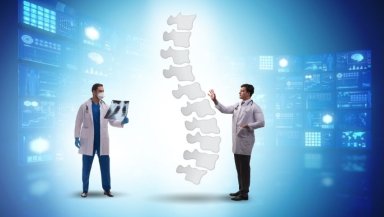
The human spine is made up of a series of bones called vertebrae. These bones are stacked one above another and form a strong yet flexible structure that supports the body.
Between each pair of vertebrae is a small cushion called an intervertebral disc. These discs are made of a tough outer layer and a softer gel-like center. Their main job is to absorb shock and allow the spine to move smoothly when we bend, twist, or lift objects.
When these discs are healthy, they act like small shock absorbers. But sometimes the inner part of the disc pushes outward through the outer layer. When this happens, the disc may press on nearby nerves. This condition is commonly called a slipped disc, and many patients try to understand slipped disc vs herniated disc when discussing the condition with doctors.
Suggested Image: Diagram showing vertebrae and intervertebral discs in a healthy spine.
What Exactly Is a Slipped Disc?
The term slipped disc is widely used, but doctors often call this condition a herniated disc or prolapsed disc.
In simple terms, the disc has not actually slipped out of the spine. Instead, the soft inner portion of the disc pushes through the outer layer and bulges outward.
When this bulge presses against nearby nerves, it can cause pain and other symptoms. The location of the disc problem determines where symptoms appear.
For example, if the disc problem occurs in the lower back, the pain may travel down the leg. This is commonly known as sciatica.
If the disc problem occurs in the neck, symptoms may affect the shoulders or arms.
Suggested Image: Illustration comparing a normal disc and a herniated disc.
Why Do Slipped Discs Happen?
Several factors can lead to a slipped disc. One of the most common causes is gradual wear and tear of the spine.
As people age, the discs lose some of their flexibility and water content. This makes them more prone to damage.
Sudden strain can also cause a disc to bulge or rupture. Lifting heavy objects incorrectly, twisting the spine abruptly, or sudden injury during sports can increase the risk.
Long hours of sitting, poor posture, and weak back muscles may also contribute to disc problems.
While slipped discs are more common in adults, younger individuals may also develop this condition due to injuries or excessive strain on the spine.
Seven Symptoms That May Indicate a Slipped Disc
Recognizing the symptoms of a slipped disc can help people seek medical advice early. Although mild back pain is common, certain signs may suggest a deeper spine problem.
Persistent Lower Back Pain
One of the most common symptoms of a slipped disc is persistent pain in the lower back.
Unlike simple muscle strain, this pain may not improve with rest. It can feel deep, sharp, or aching and may worsen when sitting for long periods or bending forward.
Suggested Image: Illustration showing lower back pain area.
Pain That Travels Down the Leg
Pain that starts in the lower back and travels down the buttock and leg is a classic sign of nerve irritation caused by a slipped disc.
This condition is called sciatica because the pain follows the path of the sciatic nerve.
The pain may feel like burning, shooting, or electric shocks running down the leg.
Numbness or Tingling
When a disc presses on a nerve, it may interfere with normal nerve signals.
This can cause unusual sensations such as tingling, pins-and-needles feelings, or numbness in the leg, foot, arm, or hand depending on the location of the disc problem.
These sensations may appear suddenly or gradually increase over time.
Muscle Weakness
Nerves control the muscles in the body. If a nerve is compressed by a disc, the muscles it controls may become weaker.
This weakness may make it difficult to lift the foot, hold objects, or maintain balance while walking.
Muscle weakness should always be evaluated by a doctor because it may indicate significant nerve compression.
Pain That Worsens With Movement
Back pain caused by a slipped disc often worsens with certain movements.
Activities such as bending forward, coughing, sneezing, or lifting objects may increase pressure on the affected nerve.
As a result, the pain may intensify during these activities.
Difficulty Sitting for Long Periods
People with disc problems often find sitting uncomfortable.
Sitting increases pressure on the discs in the lower back. This pressure may worsen symptoms and cause pain to spread down the leg.
Many patients report that standing or walking provides some relief compared with prolonged sitting.
Reduced Flexibility in the Back
Another sign of a possible disc problem is reduced mobility in the back.
People may find it difficult to bend forward, twist their torso, or perform everyday movements.
Muscle stiffness and protective spasms around the spine can also limit movement.
Suggested Image: Illustration showing nerve compression from herniated disc.
When Should You See a Doctor?
Not all back pain requires medical treatment. Many cases improve within a few days or weeks with rest, stretching, and proper posture.
However, certain symptoms should not be ignored.
If back pain lasts longer than a few weeks, spreads to the legs or arms, or is accompanied by numbness or weakness, it is important to seek medical evaluation.
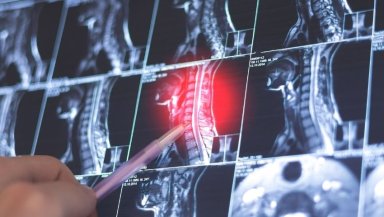
Doctors may recommend imaging tests such as MRI scans to examine the spine and identify the cause of the symptoms.
Early diagnosis can help prevent further nerve damage and guide appropriate treatment.
How Slipped Discs Are Diagnosed
Doctors usually begin with a physical examination. They assess the patient’s symptoms, movement, and reflexes.
Specific tests may be performed to check how the nerves in the spine are functioning.
If a disc problem is suspected, imaging tests such as MRI or CT scans may be recommended.
These scans allow doctors to see the discs, nerves, and surrounding structures clearly.
This helps confirm whether a disc is pressing on a nerve.
Suggested Image: MRI scan illustration showing herniated disc.
Treatment Options for Slipped Discs
The good news is that many slipped discs improve without surgery.
Doctors often begin with conservative treatments such as medication, physiotherapy, and exercises that strengthen the back muscles.
Pain relief medications and anti-inflammatory drugs may help reduce discomfort.
Physical therapy helps improve posture, flexibility, and muscle strength.
In some cases, doctors may recommend injections to reduce nerve inflammation.
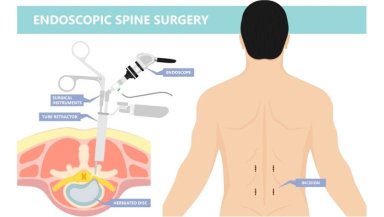
If symptoms persist or nerve compression becomes severe, minimally invasive procedures such as endoscopic spine surgery may be considered.
These procedures allow surgeons to relieve nerve pressure through very small incisions.
Preventing Future Spine Problems
Although not all disc problems can be prevented, certain habits can help protect the spine.
Maintaining good posture while sitting and standing reduces stress on the spine.
Regular exercise strengthens the muscles that support the back.
Using proper lifting techniques when handling heavy objects can also reduce the risk of injury.
Maintaining a healthy body weight helps reduce pressure on the spine as well.
Simple lifestyle changes can significantly improve spinal health over time.
Understanding the Importance of Early Attention
Back pain is common, but persistent or unusual symptoms should not be ignored.
Recognizing the signs of a slipped disc allows patients to seek medical care before the condition worsens.
Early diagnosis and proper treatment can relieve symptoms and prevent long-term nerve damage, and minimally invasive treatments may achieve a high endoscopic spine surgery success rate in appropriately selected patients.
With the right medical guidance and lifestyle adjustments, many people recover from disc problems and return to normal activities.
Conclusion
If you are experiencing persistent back pain, leg pain, or numbness that affects your daily activities, consulting a spine specialist can help identify the underlying cause. Early evaluation allows doctors to recommend the most appropriate treatment and prevent complications related to nerve compression.
References and Sources
American Association of Neurological Surgeons