Slipped Disc, Herniated Disc, or Sciatica: What’s the Real Difference?
Medicine Made Simple Summary
A slipped disc, herniated disc, and sciatica are terms often used when people talk about back pain, but they do not all mean the same thing. A slipped or herniated disc refers to a problem with one of the soft cushions between the bones of the spine. When this disc bulges or ruptures, it can press on nearby nerves. Sciatica is a symptom that occurs when the sciatic nerve becomes irritated or compressed, usually because of a disc problem in the lower back. This nerve pressure can cause pain that travels from the lower back down the leg, along with numbness or tingling, which are common slipped disc symptoms.
Why These Terms Are Often Confusing
When people experience back pain that spreads to the legs, they often hear different medical terms used to describe the condition. Doctors may talk about a slipped disc, a herniated disc, or sciatica. Many patients assume these words describe the same problem.
In reality, these terms refer to different aspects of spine health. A slipped or herniated disc describes a structural problem in the spine, which is why many patients search for the difference between slipped disc vs herniated disc. Sciatica, on the other hand, describes a symptom caused by nerve irritation.
Understanding the difference between these terms can help patients better understand their diagnosis and treatment options. It also helps reduce confusion when discussing symptoms with doctors or reading about spine conditions.
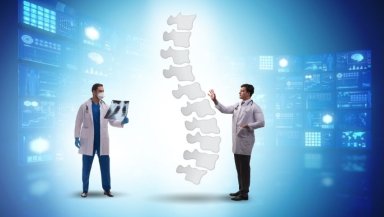
Suggested Image: Diagram showing spine structure with vertebrae, discs, and spinal nerves.
Understanding the Structure of the Spine
To understand the difference between these conditions, it helps to first understand how the spine works.
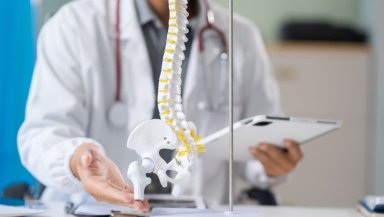
The spine is made up of small bones called vertebrae. These bones are stacked on top of each other and form a protective column for the spinal cord.
Between each pair of vertebrae lies an intervertebral disc. These discs act as cushions that absorb shock when we walk, run, bend, or lift objects.
Each disc has two main parts. The outer layer is tough and fibrous, while the inner center is soft and gel-like. This structure allows the disc to absorb pressure and maintain flexibility in the spine.
Running alongside the spine are nerves that carry signals between the brain and different parts of the body. These nerves exit the spine through small openings between the vertebrae.
When discs become damaged or move out of position, they may press on these nerves and cause pain, which is why some patients seek slipped disc treatment without surgery in the early stages.
What Is a Slipped Disc?
The term slipped disc is commonly used in everyday language, but it can be somewhat misleading.
A disc does not actually slip out of place. Instead, the outer layer of the disc weakens and allows the inner gel-like material to bulge outward.
This bulging disc can push against nearby nerves, leading to pain and other symptoms.
Slipped discs often occur in the lower back because this part of the spine carries much of the body’s weight and is involved in many movements.
Factors such as heavy lifting, sudden twisting motions, poor posture, or gradual wear and tear can contribute to disc problems.
Suggested Image: Illustration showing a bulging disc pressing against a spinal nerve.
What Is a Herniated Disc?
A herniated disc is closely related to what many people call a slipped disc.
In a herniated disc, the outer layer of the disc develops a tear. Through this tear, the soft inner material pushes outward.
This protruding material can irritate or compress nearby nerves.
Doctors often prefer the term herniated disc because it more accurately describes what is happening inside the spine.
Symptoms of a herniated disc can vary depending on the location of the disc and the nerves affected. Some people experience only mild discomfort, while others may develop severe nerve pain.
Suggested Image: Comparison diagram showing normal disc and herniated disc.
What Is Sciatica?
Sciatica is not a structural problem in the spine. Instead, it is a symptom caused by irritation of the sciatic nerve.
The sciatic nerve is the longest nerve in the body. It begins in the lower back and travels through the buttocks down each leg.
When this nerve becomes compressed or irritated, it can produce pain that follows the path of the nerve.
Sciatica often causes sharp or burning pain that starts in the lower back and travels down the buttock and leg. Some patients also experience numbness, tingling, or weakness in the leg.
One of the most common causes of sciatica is a herniated disc in the lower spine.
Suggested Image: Diagram showing path of the sciatic nerve from the lower back to the leg.
How These Conditions Are Connected
Although slipped discs, herniated discs, and sciatica are different terms, they are closely related.
A slipped or herniated disc describes the structural problem in the spine. When this disc presses on a nerve root, it can cause symptoms such as sciatica.
In simple terms, the disc problem is the cause, and sciatica is the symptom.
However, not all disc problems cause sciatica. Some people may have a bulging disc without experiencing nerve pain.
Similarly, sciatica can sometimes be caused by other conditions, such as spinal stenosis or muscle compression around the nerve.
Understanding this relationship also helps explain some of the common spine problems treated with endoscopic surgery when conservative treatment does not relieve nerve pressure.
Common Symptoms to Watch For
Although symptoms can vary, several signs may indicate a disc problem or nerve irritation.
Lower back pain is often the first symptom. This pain may worsen with bending, sitting for long periods, or lifting objects.
Pain that travels down the leg is a common sign of sciatica. This pain may feel sharp, burning, or electric in nature.
Some patients also experience numbness or tingling in the leg or foot.
Muscle weakness in the leg may occur if the nerve compression becomes severe.
If symptoms persist or worsen over time, medical evaluation is recommended.
How Doctors Diagnose These Conditions
Doctors usually begin diagnosis with a detailed discussion of symptoms and a physical examination.
During the examination, doctors may check reflexes, muscle strength, and sensation in the legs.
Certain movements may help identify whether nerve irritation is present.
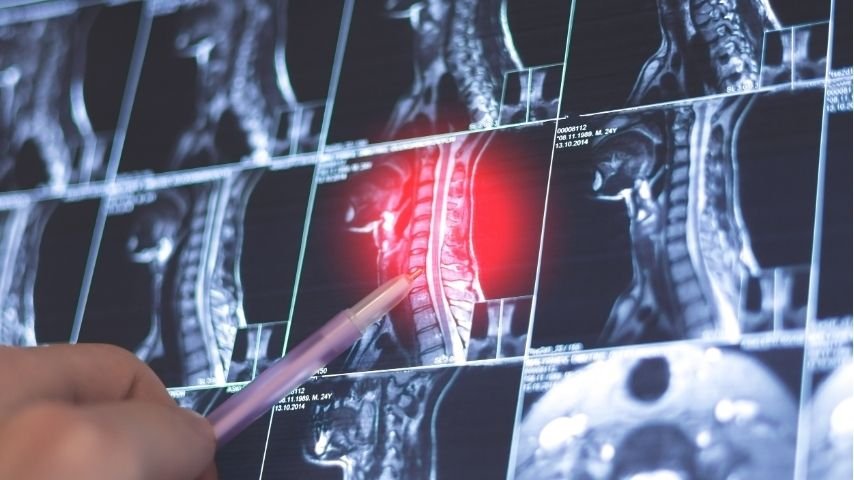
If a disc problem is suspected, imaging tests such as MRI scans are often recommended.
MRI scans provide detailed images of the spine and can show whether a disc is pressing on a nerve.
These tests help doctors determine the exact cause of the symptoms and guide treatment decisions.
Suggested Image: MRI image highlighting disc herniation.
Treatment Options for Disc Problems and Sciatica
The majority of patients with disc problems improve without surgery.
Initial treatment often includes rest, pain relief medications, and physiotherapy exercises designed to strengthen the back and improve flexibility.
Lifestyle adjustments such as improving posture and avoiding heavy lifting may also help reduce strain on the spine.
If symptoms persist despite conservative treatment, doctors may consider other options such as injections to reduce inflammation around the nerve.
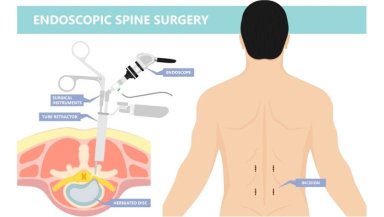
In some cases, minimally invasive procedures such as endoscopic spine surgery may be recommended to remove the disc material pressing on the nerve.
These procedures aim to relieve nerve compression while minimizing disruption to surrounding tissues.
Protecting Your Spine
Although not all spine problems can be prevented, certain habits can help maintain spinal health.
Maintaining good posture while sitting or standing reduces stress on the discs.
Regular physical activity strengthens the muscles that support the spine.
Using proper lifting techniques and avoiding sudden twisting movements can reduce the risk of disc injury.
Maintaining a healthy body weight also reduces pressure on the spine.
Taking care of spinal health can significantly reduce the chances of developing disc-related problems.
Why Understanding the Difference Matters
Understanding the difference between slipped discs, herniated discs, and sciatica helps patients better understand their symptoms.
Knowing whether the problem lies in the disc itself or in nerve irritation allows doctors to recommend the most appropriate treatment.
Clear understanding also helps patients make informed decisions about lifestyle changes, therapy, and possible medical procedures.
Education plays an important role in managing spine health and preventing long-term complications.
Conclusion
If you are experiencing persistent back pain, leg pain, or symptoms of sciatica that interfere with daily activities, consulting a spine specialist can help identify the underlying cause. Early diagnosis and appropriate treatment can relieve nerve compression and help restore comfortable movement.
References and Sources
American Association of Neurological Surgeons