Can a Slipped Disc Heal Without Surgery? When Doctors Start Considering Endoscopic Spine Surgery
Medicine Made Simple Summary
A slipped disc, also called a herniated disc, occurs when one of the soft cushions between the bones of the spine bulges or ruptures and presses on nearby nerves. This pressure can cause back pain, leg pain, numbness, or weakness. In many cases, a slipped disc can heal or improve with rest, medication, physiotherapy, and lifestyle changes. Surgery is usually considered only when symptoms persist for several weeks or months, or when nerve pressure causes severe pain or weakness. Endoscopic spine surgery is a minimally invasive technique that can relieve nerve compression using very small incisions.
Understanding What Happens in a Slipped Disc
The spine plays a crucial role in supporting the body and allowing movement. It protects the spinal cord and provides stability for standing, walking, and bending.
The spine is made up of a series of bones called vertebrae. Between these bones are flexible cushions known as intervertebral discs. These discs act like shock absorbers and help distribute pressure evenly when the body moves.
Each disc has a tough outer layer and a softer gel-like center. When the outer layer weakens or tears, the inner portion of the disc may push outward. This condition is known as a slipped disc or herniated disc.
If the bulging disc presses on nearby nerves, it can cause symptoms such as lower back pain, sciatica, numbness, tingling, or muscle weakness.
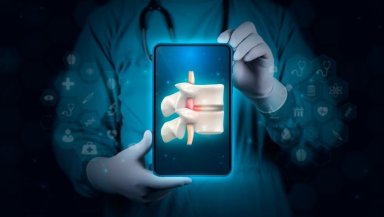
Suggested Image: Illustration showing structure of a spinal disc and herniation.
Can a Slipped Disc Heal Naturally?
One of the most common questions patients ask is whether a slipped disc can heal without surgery.
The encouraging news is that many slipped discs improve over time with conservative treatment. The body has a natural ability to reduce inflammation and gradually shrink the bulging portion of the disc.
As swelling around the nerve decreases, symptoms such as pain and tingling may slowly improve.
Studies have shown that a large percentage of patients recover from disc problems within a few weeks to a few months without surgical treatment.
However, recovery time can vary depending on the severity of the disc problem and the individual’s overall health.
Early Treatments Doctors Usually Recommend
When a slipped disc is diagnosed, doctors usually begin with non-surgical treatments.
The goal of these treatments is to reduce pain, decrease inflammation, and allow the disc to heal naturally.
Rest for a short period may help reduce stress on the spine. However, prolonged bed rest is usually not recommended because gentle movement helps maintain muscle strength.
Pain-relieving medications and anti-inflammatory drugs may help control discomfort during the early stages.
Physiotherapy is another important part of treatment. Special exercises help strengthen the muscles that support the spine and improve flexibility.
Improving posture and learning proper lifting techniques can also help prevent further strain on the spine.
Suggested Image: Illustration showing physiotherapy exercises for back pain.
Lifestyle Changes That Support Recovery
Simple lifestyle changes can play an important role in healing a slipped disc.
Maintaining good posture while sitting and standing reduces pressure on the discs in the spine.
Using an ergonomic chair and taking breaks during long periods of sitting can help reduce strain on the lower back.
Regular exercise strengthens the muscles that support the spine and improves overall flexibility.
Maintaining a healthy body weight also helps reduce pressure on the spinal discs.
These changes not only support healing but also reduce the chances of future disc problems.
Signs That the Disc Is Healing
As treatment progresses, patients may notice gradual improvement in symptoms.
Back pain may become less intense and occur less frequently. Pain that previously traveled down the leg may begin to fade.
Tingling or numbness may also decrease as nerve irritation improves.
Improved movement and flexibility in the back often indicate that the spine is recovering.
Although the process may take time, steady improvement is usually a positive sign that conservative treatment is working.
When Conservative Treatment May Not Be Enough
While many patients recover without surgery, some cases require further medical intervention.
If severe nerve compression continues for a long time, it can lead to persistent pain or muscle weakness.
Doctors may begin considering surgical options when symptoms do not improve after several weeks or months of treatment.
Surgery may also be recommended if nerve compression causes significant weakness in the leg or difficulty walking.
In rare cases, emergency surgery may be necessary if the nerve compression affects bladder or bowel control.
Early medical evaluation helps doctors determine the most appropriate treatment approach.
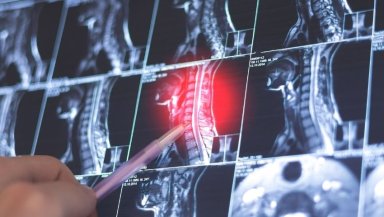
Suggested Image: MRI scan showing disc herniation pressing on a nerve.
What Is Endoscopic Spine Surgery?
Endoscopic spine surgery is a modern minimally invasive technique used to treat certain spine problems and is often discussed when explaining the endoscopic spine surgery procedure.
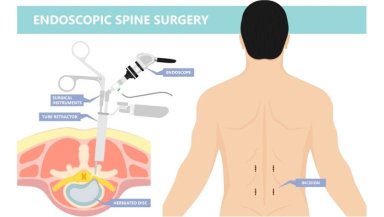
In this procedure, surgeons use a small tube with a tiny camera called an endoscope to view the spine.
The camera allows the surgeon to see the affected area clearly on a monitor.
Using specialized instruments inserted through the tube, the surgeon removes the portion of the disc or tissue that is pressing on the nerve.
Because the incision is very small, the surrounding muscles and tissues are disturbed much less compared with traditional open spine surgery, which is why patients often compare endoscopic spine surgery vs traditional spine surgery when considering treatment options.
Suggested Image: Diagram showing endoscope inserted through a small incision in the spine.
When Doctors Recommend Endoscopic Spine Surgery
Endoscopic spine surgery may be considered when conservative treatments fail to relieve symptoms.
Patients with persistent sciatica caused by a herniated disc are often good candidates for this procedure.
It may also be recommended when nerve compression causes significant pain that interferes with daily activities.
Doctors evaluate several factors before recommending surgery. These include the location of the disc problem, the severity of nerve compression, and the patient’s overall health.
Imaging tests such as MRI scans help confirm whether the procedure is appropriate while also helping patients understand potential endoscopic spine surgery risks.
Benefits of Minimally Invasive Spine Surgery
One of the major advantages of endoscopic spine surgery is the minimally invasive approach.
Because the incision is small, there is less damage to muscles and tissues surrounding the spine.
Patients often experience less pain after surgery and may recover more quickly compared with traditional open surgery.
Many patients are able to walk within hours after the procedure and may return home the same day or the following day.
Faster recovery allows individuals to return to normal activities sooner.
However, the success of the procedure depends on proper patient selection and surgical expertise.
Preventing Future Disc Problems
Even after recovery from a slipped disc, maintaining spinal health remains important.
Regular physical activity strengthens the muscles that support the spine.
Practicing good posture during daily activities reduces unnecessary pressure on the discs.
Using proper techniques when lifting objects can help protect the back from injury.
Maintaining a healthy weight and staying physically active also support long-term spine health.
These habits can significantly reduce the risk of recurring disc problems.
The Importance of Early Medical Advice
Back pain is common, but persistent symptoms should not be ignored.
If pain continues for several weeks or spreads to the legs, it is important to seek medical evaluation.
Early diagnosis helps doctors determine whether the condition can be managed with conservative treatment or if further intervention may be required.
Understanding the available treatment options empowers patients to make informed decisions about their health.
Conclusion
If you are experiencing persistent back pain, sciatica, or symptoms of nerve compression that do not improve with rest or physiotherapy, consulting a spine specialist can help determine the cause. Early evaluation allows doctors to recommend the most appropriate treatment, including minimally invasive procedures such as endoscopic spine surgery when necessary.
References and Sources
American Association of Neurological Surgeons