How to Choose the Right Endoscopic Spine Surgeon: 8 Questions Every Patient Should Ask

Medicine Made Simple Summary
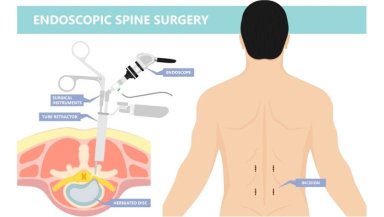
Endoscopic spine surgery is a minimally invasive procedure used to treat spine conditions such as slipped discs, sciatica, and nerve compression. During the procedure, surgeons use a thin tube with a tiny camera called an endoscope to access the spine through a small incision and remove the tissue pressing on the nerve. Because the surgery involves delicate structures such as nerves and the spinal cord, choosing the right surgeon is extremely important. A skilled and experienced spine surgeon can accurately diagnose the condition, recommend the appropriate treatment, perform the surgery safely, and guide the patient through recovery.
Why Choosing the Right Spine Surgeon Matters
When patients are advised to consider spine surgery, they often focus on the procedure itself. However, the success of the treatment depends greatly on the experience and expertise of the surgeon performing it.
Endoscopic spine surgery requires specialized training and advanced surgical skills. The surgeon must be able to navigate delicate structures inside the spine using small instruments and a camera.
Because the procedure is performed close to nerves that control movement and sensation, precision is extremely important.
Selecting the right surgeon helps reduce the risk of complications and improves the chances of a successful outcome. Patients should feel comfortable asking questions and understanding the surgeon’s experience before making a decision, including learning about the endoscopic spine surgery success rate in similar cases.
Understanding the Role of a Spine Specialist
A spine specialist is a doctor who has advanced training in diagnosing and treating spine conditions. These specialists may come from different medical backgrounds such as neurosurgery or orthopedic spine surgery.
Their expertise includes evaluating back pain, identifying nerve compression, interpreting imaging tests such as MRI scans, and recommending appropriate treatment options.
In many cases, spine specialists first recommend non-surgical treatments such as medication, physiotherapy, or lifestyle changes.
Surgery is usually considered only when these treatments do not provide relief or when nerve compression causes significant symptoms.
When surgery becomes necessary, choosing a surgeon who regularly performs endoscopic spine procedures can improve outcomes, particularly for patients who meet endoscopic spine surgery eligibility criteria.
Question 1: What Is Your Experience With Endoscopic Spine Surgery?
One of the most important questions to ask is about the surgeon’s experience with the procedure.
Patients should ask how many endoscopic spine surgeries the surgeon performs each year and how long they have been using this technique.
Surgeons who regularly perform minimally invasive spine procedures are usually more familiar with the technology and surgical techniques involved.
Experience helps surgeons handle different variations of spine conditions and manage unexpected situations during surgery.
Question 2: Am I the Right Candidate for This Surgery?
Not every patient with back pain requires surgery. A responsible surgeon carefully evaluates whether surgery is truly necessary.
During the consultation, the doctor should review the patient’s symptoms, medical history, and imaging results such as MRI scans.
The surgeon should clearly explain whether the patient’s symptoms are caused by nerve compression and whether endoscopic surgery is likely to relieve the problem.
If conservative treatments may still help, the surgeon may recommend continuing those treatments before considering surgery, especially when comparing endoscopic spine surgery vs traditional spine surgery for the most suitable treatment approach.
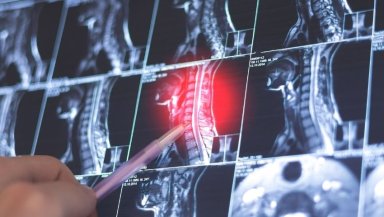
Suggested Image: MRI scan showing herniated disc compressing a spinal nerve.
Question 3: What Are the Expected Benefits of the Procedure?
Patients should ask what improvements they can realistically expect after surgery.
For many patients with disc herniation or sciatica, the main goal of surgery is to relieve nerve compression and reduce leg pain.
The surgeon should explain how the procedure will address the specific problem identified on imaging tests.
Understanding the expected benefits helps patients develop realistic expectations about recovery and symptom improvement.
Question 4: What Are the Possible Risks and Complications?
All surgical procedures carry some degree of risk, even when they are minimally invasive.
Patients should ask about possible complications such as infection, bleeding, nerve irritation, or recurrence of disc herniation.
An experienced surgeon will explain these risks clearly and describe how they are minimized during the procedure.
Understanding potential risks helps patients make informed decisions about their treatment.
Suggested Image: Illustration showing endoscopic instruments removing disc material.
Question 5: What Will the Recovery Process Be Like?
Recovery time is an important consideration for many patients.
Endoscopic spine surgery often allows faster recovery compared with traditional open surgery, but each patient’s healing process is different.
Patients should ask how long they may need to stay in the hospital and when they can return to work or normal activities.
The surgeon should also explain whether physiotherapy will be required during recovery.
Question 6: What Results Have Your Patients Experienced?
Patients may also ask about the surgeon’s outcomes with previous cases.
Experienced surgeons can often share general information about success rates and patient satisfaction.
While individual results may vary, knowing that other patients have benefited from the procedure can provide reassurance.
Doctors may also provide educational resources or patient testimonials to help individuals better understand the treatment process.
Question 7: What Facilities and Technology Are Available at the Hospital?
The hospital where the surgery is performed plays an important role in patient safety.
Modern spine surgery often requires specialized equipment such as high-definition imaging systems and advanced surgical instruments.
Hospitals with dedicated spine surgery programs may also have specialized operating rooms and trained surgical teams.
Patients should ask whether the hospital regularly performs minimally invasive spine procedures and whether appropriate technology is available.
Suggested Image: Illustration showing advanced operating room equipment for spine surgery.
Question 8: What Support Will I Receive After Surgery?
Post-surgery care is just as important as the procedure itself.
Patients should ask about follow-up appointments, rehabilitation programs, and support available during recovery.
Regular follow-up visits allow doctors to monitor healing and ensure that symptoms are improving.
Physiotherapy programs can help strengthen the muscles supporting the spine and improve flexibility.
Knowing that the medical team will continue to provide care after surgery helps patients feel more confident about the treatment process.
Preparing for Your Consultation
Before meeting a spine surgeon, patients may find it helpful to prepare a list of questions.
Bringing previous medical records, imaging scans, and details about past treatments can help the doctor understand the condition more clearly.
During the consultation, patients should feel comfortable discussing their concerns and asking for explanations about any part of the treatment plan.
Open communication helps build trust between the patient and the medical team.
The Importance of Informed Decision Making
Spine surgery is an important decision that should be made carefully.
Understanding the diagnosis, treatment options, potential risks, and expected outcomes helps patients feel confident about their choice.
Choosing an experienced surgeon who communicates clearly and provides comprehensive care can greatly improve the chances of a successful outcome.
By asking the right questions and gathering the necessary information, patients can make well-informed decisions about their spine health.
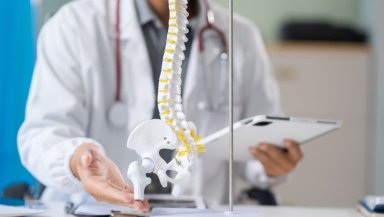
Suggested Image: Illustration showing doctor discussing spine imaging with patient.
Conclusion
If you are experiencing persistent back pain, sciatica, or symptoms of nerve compression that affect your daily life, consulting an experienced spine specialist can help determine the most appropriate treatment. A detailed evaluation and discussion with a qualified surgeon can help you understand whether endoscopic spine surgery may provide effective relief and guide you through every step of the treatment process.
References and Sources