Lower Back Pain: Causes, Symptoms, Treatment, and Best Ways to Get Relief
Medicine Made Simple
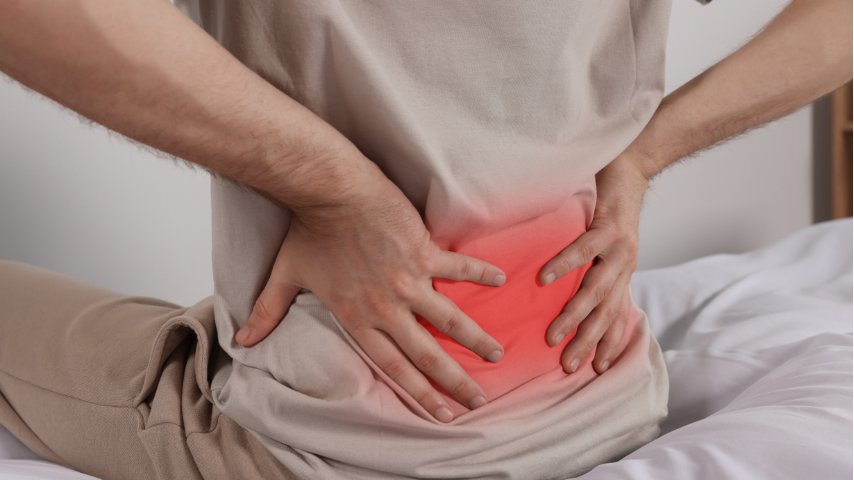
Lower back pain is one of the most common health problems affecting people of all ages. It can make simple daily activities like sitting, standing, walking, bending, or sleeping uncomfortable and frustrating. For some people, the pain is mild and temporary, while for others it becomes a long-term issue that affects work and quality of life.
Many cases of lower back pain happen because of poor posture, lifting heavy objects, muscle strain, long hours of sitting, or lack of exercise. In some cases, it may be linked to slipped discs, arthritis, nerve compression, or kidney-related problems.
Ignoring back pain can make the condition worse over time. Understanding the cause early helps prevent complications and improves recovery.
In this guide, we’ll explain the common causes of lower back pain, symptoms to watch for, treatment options, home remedies, and when medical help becomes necessary.
Let’s begin.
Quick Summary: Best Ways to Manage Lower Back Pain
- Lower back pain may be caused by poor posture, muscle strain, disc problems, or arthritis
- Rest and avoiding heavy lifting help reduce pain
- Hot and cold therapy can ease swelling and stiffness
- Gentle stretching improves flexibility and movement
- Proper sitting posture helps prevent repeated pain
- Pain relief medicines may provide quick comfort
- Seek medical help if pain is severe, long-lasting, or causes numbness
Why Lower Back Health Matters
Your lower back supports your upper body and helps with movement, balance, and posture. It plays an important role in walking, lifting, sitting, standing, and almost every physical activity.
Healthy lower back function helps with:
- Better posture
- Smooth body movement
- Strong core support
- Reduced injury risk
- Comfortable daily activities
- Better sleep and mobility
When back pain starts, even basic tasks can become difficult. It may also affect mood, sleep quality, and work performance.
That is why understanding lower back pain and treating it early is extremely important.
Common Causes of Lower Back Pain
1. Muscle Strain
This is one of the most common reasons for lower back pain.
Lifting heavy objects, sudden twisting, or overexertion can strain the muscles and ligaments in the lower back.
Common Signs
- Sudden pain after lifting
- Tightness in the lower back
- Pain while bending
- Muscle stiffness
2. Poor Posture
Sitting for long hours with poor posture puts pressure on the spine and lower back muscles.
This is common in office workers and students.
Common Triggers
- Slouching while sitting
- Long screen time
- Poor chair support
- Incorrect sleeping position
3. Herniated Disc (Slipped Disc)
A disc in the spine may press on nearby nerves, causing pain and numbness.
Warning Signs
- Sharp pain shooting down the leg
- Numbness
- Tingling
- Pain while sitting
This may need medical treatment, although some patients may benefit from slipped disc treatment without surgery depending on the severity of symptoms.
4. Arthritis
Age-related arthritis can affect the spine and cause stiffness and chronic pain in the lower back.
5. Sciatica
Sciatica happens when the sciatic nerve becomes compressed.
It causes pain that travels from the lower back down to the leg.
6. Lack of Exercise
Weak core muscles provide less support to the spine, increasing the risk of pain and injury.
7. Kidney Problems
Sometimes pain felt in the lower back may be related to kidney stones or infections.
Medical evaluation helps identify the real cause.
7 Effective Ways to Relieve Lower Back Pain
1. Take Proper Rest
Rest helps reduce strain and allows muscles to recover.
Best Practice
Avoid heavy lifting and sudden bending for a few days, but do not stay in bed too long.
Too much rest may worsen stiffness.
2. Use Cold and Hot Therapy
Cold therapy reduces swelling, while heat helps relax muscles and improve blood flow.
How to Use
- Ice pack for first 48 hours
- Warm compress after swelling reduces
Each session should be 15–20 minutes.
3. Improve Sitting Posture
Good posture reduces pressure on the spine and prevents repeated pain.
Helpful Tips
- Sit straight
- Use back support
- Keep feet flat on the floor
- Avoid sitting for long hours without breaks
4. Do Gentle Stretching
Simple stretches improve flexibility and reduce stiffness.
Helpful Exercises
- Knee-to-chest stretch
- Cat-cow stretch
- Pelvic tilt
- Hamstring stretch
Avoid painful or forceful movements.
5. Stay Active
Light movement improves blood circulation and supports healing.
Best Activities
- Walking
- Light yoga
- Swimming
- Physiotherapy exercises
Avoid complete inactivity.
6. Maintain Healthy Weight
Extra body weight increases pressure on the spine and worsens pain. Weight management improves long-term back health.
7. Use Pain Relief Medicines if Needed
Short-term pain relief medicines may help reduce discomfort and improve movement. Always use medicines responsibly.
Table: Quick Home Remedies for Lower Back Pain
| Remedy | How It Helps | Usage Instructions |
|---|---|---|
| Rest | Reduces strain | Avoid heavy lifting |
| Ice Pack | Reduces swelling | First 48 hours |
| Warm Compress | Relieves stiffness | After swelling reduces |
| Stretching | Improves flexibility | Gentle daily exercise |
| Good Posture | Prevents repeat pain | Sit with back support |
Symptoms of Lower Back Problems
Recognizing symptoms early helps prevent worsening pain.
Common Signs Include
- Dull or sharp lower back pain
- Pain while bending
- Morning stiffness
- Pain while standing or sitting
- Pain spreading to legs
- Numbness or tingling
- Muscle tightness
- Difficulty walking
- Reduced flexibility
- Trouble sleeping due to pain
Persistent symptoms should not be ignored.
When to Seek Medical Help
Some mild pain improves with home care, but certain warning signs require immediate medical attention.
Consult a doctor if you experience:
- Severe back pain lasting weeks
- Pain after injury or fall
- Numbness in legs
- Weakness in legs
- Difficulty walking
- Loss of bladder or bowel control
- Fever with back pain
- Pain spreading down one leg
These may indicate nerve compression or serious spinal conditions. Assessment for endoscopic spine surgery eligibility may be considered in selected cases when symptoms persist despite treatment.
Early diagnosis improves recovery.
Best Medicines for Lower Back Pain
Treatment depends on the cause of pain.
Commonly Recommended Medicines Include
Paracetamol
Helpful for mild pain relief.
NSAIDs
Medicines like ibuprofen help reduce inflammation and pain.
Muscle Relaxants
Used for muscle spasms and tightness.
Topical Pain Relief Gels
Helpful for local pain and stiffness.
Physiotherapy Support
Sometimes more effective than long-term medicine use.
Always consult your doctor before regular medication use.
Conclusion
Lower back pain is common, but it should never be ignored when it affects daily life or continues for weeks. Whether the cause is muscle strain, posture problems, arthritis, or nerve issues, early care makes a big difference.
Simple habits like better posture, stretching, light exercise, weight control, and proper rest can provide major relief. For severe or long-lasting pain, professional medical advice is essential, including choosing a spine surgeon when specialist evaluation is required.
Taking care of your lower back today helps protect your mobility, comfort, and quality of life for the future.
Frequently Asked Questions
Why does my lower back hurt suddenly?
Sudden pain often happens due to muscle strain, lifting heavy objects, poor posture, or sudden movement.
Can walking help lower back pain?
Yes, gentle walking improves circulation and supports healing without putting too much strain on the back.
When should I worry about lower back pain?
If pain is severe, lasts for weeks, causes numbness, or affects walking, medical care is important.
Does sitting too much cause lower back pain?
Yes, long sitting hours with poor posture are a major cause of lower back pain.
Can kidney problems cause lower back pain?
Yes, kidney stones or infections may sometimes feel like lower back pain.
Is bed rest good for lower back pain?
Short rest helps, but too much bed rest may worsen stiffness and delay recovery. Recovery expectations vary based on treatment, and some patients may ask about endoscopic spine surgery recovery when discussing surgical options with their doctor.