Protein-Rich Foods: 12 Best Sources for Strength, Energy, and Better Health
Medicine Made Simple
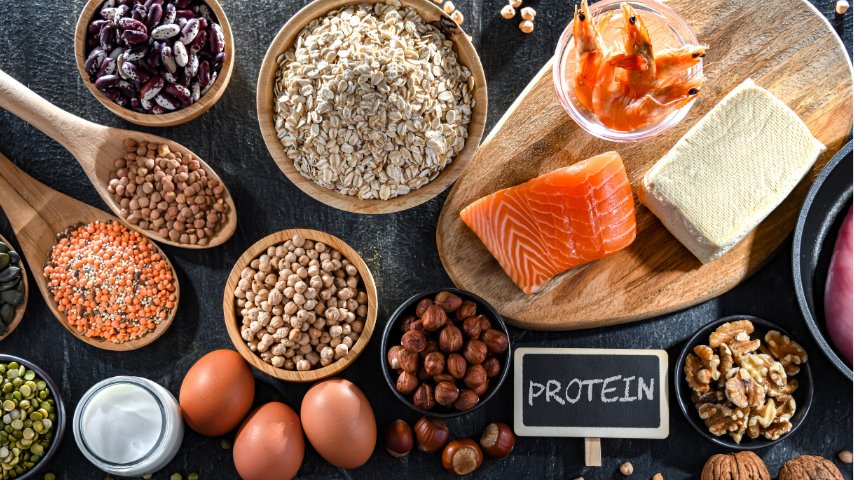
Protein is one of the most important nutrients your body needs every single day. It helps build muscles, repair tissues, strengthen immunity, and keep your body functioning properly. Whether your goal is weight loss, better fitness, stronger immunity, or improved overall health, including enough protein-rich foods in your diet is essential.
Many people focus only on carbohydrates and calories while ignoring protein intake. This can lead to weakness, low energy, poor muscle recovery, and even hair loss over time.
In this guide, we’ll explore the best protein-rich foods, why protein matters, symptoms of protein deficiency, treatment options, and how to maintain the right protein balance for a healthier lifestyle.
Let’s begin.
Quick Summary: Best Protein-Rich Foods for Daily Health
- Eggs, milk, and yogurt are excellent protein-rich foods
- Lentils, chickpeas, and beans are great vegetarian protein sources
- Chicken, fish, and lean meat provide high-quality protein
- Nuts and seeds support energy and heart health
- Protein helps build muscles, repair tissues, and boost immunity
- Low protein intake may cause weakness and fatigue
- A balanced diet helps maintain proper protein levels naturally
Why Protein Matters for Your Body
Protein is known as the building block of life because every cell in your body needs it. It is made up of amino acids that help your body grow, repair, and stay strong.
Protein plays an important role in:
- Building muscles and bones
- Repairing tissues and cells
- Strengthening immunity
- Producing hormones and enzymes
- Supporting healthy skin and hair
- Improving metabolism
- Maintaining energy levels
Unlike fats and carbohydrates, your body does not store protein for future use. That means you need regular intake of protein-rich foods every day.
Both children and adults need enough protein, but it becomes especially important for athletes, growing children, pregnant women, older adults, and people recovering from illness.
12 Best Protein-Rich Foods
1. Eggs
Eggs are one of the best and most affordable protein-rich foods available.
They contain high-quality protein along with vitamin D, B12, and healthy fats.
Best Benefit
Eggs support muscle growth and help keep you full for longer.
Boiled eggs are usually the healthiest option.
2. Milk
Milk provides both protein and calcium, making it excellent for bone and muscle health.
It is especially helpful for children and older adults.
Good Options
- Cow’s milk
- Greek yogurt
- Paneer
- Curd
- Cheese
Low-fat versions are better for heart health.
3. Lentils (Dal)
Lentils are among the best vegetarian protein-rich foods.
They are affordable, easy to cook, and rich in fiber, iron, and plant-based protein.
Popular Choices
- Moong dal
- Masoor dal
- Toor dal
- Urad dal
Daily dal consumption supports both digestion and protein intake.
4. Chickpeas
Chickpeas are rich in both protein and fiber, making them ideal for weight management and energy.
They are commonly used in Indian meals and salads.
Usage Idea
Boiled chickpeas, hummus, or chana curry are excellent options.
5. Chicken Breast
Chicken breast is one of the best lean protein sources for non-vegetarians.
It is low in fat and high in muscle-building protein.
Health Benefit
Supports fitness goals, muscle repair, and weight management.
Grilled or boiled chicken is healthier than fried versions.
6. Fish
Fish provides high-quality protein along with omega-3 fatty acids that support heart and brain health.
Best Choices
- Salmon
- Tuna
- Sardines
- Mackerel
Fish is especially helpful for overall wellness and inflammation control.
7. Paneer
Paneer is a popular vegetarian protein source, especially in Indian diets.
It provides protein, calcium, and healthy fats.
Tip
Choose homemade or low-fat paneer for healthier results.
8. Greek Yogurt
Greek yogurt contains more protein than regular yogurt and also supports gut health through probiotics.
It is ideal for breakfast or evening snacks.
9. Nuts
Almonds, peanuts, walnuts, and pistachios are rich in protein and healthy fats.
They also improve heart health and brain function.
Important Note
Eat in moderation because nuts are calorie-dense.
10. Seeds
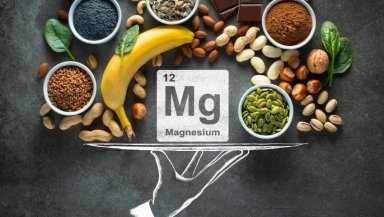
Pumpkin seeds, chia seeds, sunflower seeds, and flaxseeds offer protein along with important minerals. Some of these are also considered magnesium rich foods that support overall wellness.
They are easy to add to smoothies, salads, and oats.
11. Tofu
Tofu is a great plant-based protein source made from soybeans.
It is especially useful for vegetarians and vegans.
Usage Idea
Use tofu in curries, stir-fries, and grilled dishes.
12. Oats
Oats provide moderate protein along with fiber and slow-digesting carbohydrates.
They are ideal for breakfast and support steady energy throughout the day.
Table: Quick High-Protein Food Sources
| Food | Protein Benefit | Best Usage |
|---|---|---|
| Eggs | High-quality complete protein | Boiled or omelet |
| Lentils | Plant protein + fiber | Daily meals |
| Chicken | Lean muscle protein | Grilled or boiled |
| Paneer | Vegetarian protein source | Curries and snacks |
| Nuts | Protein + healthy fats | Small daily portions |
Causes of Low Protein Levels
Understanding the cause helps improve nutritional balance.
Poor Diet
Skipping meals or eating too much processed food reduces protein intake.
Strict Dieting
Extreme weight loss diets often ignore proper protein needs.
Digestive Disorders
Conditions like Crohn’s disease or celiac disease affect nutrient absorption.
Kidney or Liver Disease
Certain medical conditions may reduce protein metabolism.
Increased Body Needs
Pregnancy, illness recovery, and intense workouts require more protein.
Ageing
Older adults may eat less protein and lose muscle mass faster.
Symptoms of Protein Deficiency
Low protein intake may develop slowly and affect many body functions.
Common Signs Include
- Weakness and fatigue
- Muscle loss
- Hair fall
- Slow wound healing
- Frequent infections
- Swelling in feet
- Poor concentration
- Weak nails
- Increased hunger
- Low immunity
Persistent symptoms should not be ignored.
Protein Deficiency Treatment: When to Seek Medical Help
Mild protein deficiency can improve with diet changes, but severe cases may need medical attention.
Consult a doctor if you experience:
- Severe weakness
- Sudden muscle loss
- Unexplained swelling
- Extreme fatigue
- Frequent illness
- Poor appetite for weeks
- Unexpected weight loss
Professional guidance helps identify the root cause and proper treatment plan.
Best Protein Supplements
Sometimes food alone may not be enough, especially for athletes, elderly people, or those recovering from illness.
Common Protein Supplements Include
Whey Protein
Fast-absorbing and ideal for muscle recovery.
Plant-Based Protein
Made from peas, soy, rice, or hemp for vegetarians and vegans.
Casein Protein
Slow-digesting protein often taken before bedtime.
Protein Bars
Useful for quick nutrition but should be chosen carefully due to sugar content.
Meal Replacement Shakes
Helpful for people with poor appetite or medical recovery.
Always consult your doctor or dietitian before starting supplements.
Conclusion
Including enough protein-rich foods in your daily diet is one of the best ways to improve your health, strength, and energy. Simple foods like eggs, lentils, milk, chicken, nuts, and paneer can make a big difference in your overall well-being.
Protein supports muscle growth, stronger immunity, better recovery, and long-term health. Adequate protein intake may also support those looking at how to increase stamina through healthy nutrition and lifestyle habits. While supplements may help in certain situations, natural food sources should always be your first priority.
A balanced diet, regular meals, and smart food choices are the best ways to maintain healthy protein levels and live a stronger, healthier life. Including protein alongside nutrients that help prevent vitamin d deficiency can further support overall wellness.
Frequently Asked Questions
What are the best protein-rich foods for vegetarians?
Lentils, paneer, milk, yogurt, tofu, nuts, seeds, and chickpeas are excellent vegetarian protein sources.
How much protein do I need daily?
It depends on age, activity level, and health condition, but most adults need around 0.8–1 gram per kg of body weight.
Are eggs a good source of protein?
Yes, eggs are one of the best complete protein sources and are highly nutritious.
Can protein help with weight loss?
Yes, protein keeps you full longer and supports better metabolism and fat loss.
Is too much protein harmful?
Excess protein may affect kidney health in some people, especially those with existing kidney disease.
Do I need protein supplements daily?
Not always. If your regular diet provides enough protein, supplements may not be necessary.