How to Increase Stamina: 7 Powerful Ways to Boost Energy, Strength, and Endurance Naturally
Medicine Made Simple Summary
Quick Summary: Best Ways to Increase Stamina
- Regular exercise helps improve physical endurance and energy
- Protein rich foods and balanced nutrition support strength
- Proper hydration prevents fatigue and muscle weakness
- Quality sleep improves recovery and overall stamina
- Stress management helps maintain mental and physical energy
- Iron, Vitamin B12, and Vitamin D levels affect stamina greatly
- Consistency in healthy habits gives the best long-term results
Low stamina can make everyday life feel exhausting. Climbing stairs, working long hours, exercising, or even simple household tasks may leave you feeling tired too quickly. Many people think low stamina is only related to fitness, but it can also be linked to poor nutrition, lack of sleep, stress, dehydration, or underlying health issues.
Stamina is your body’s ability to maintain physical and mental effort over time. It affects how long you can stay active without feeling overly tired. Good stamina improves productivity, fitness, confidence, and overall quality of life.
The good news is that stamina can be improved with the right habits and lifestyle changes. In this guide, we’ll explain how to increase stamina naturally, the common causes of low stamina, symptoms to watch for, and when medical help may be needed.
Let’s begin.
Why Stamina Matters
Stamina is not just about sports or workouts, it affects your entire daily life. It helps your body and mind stay active for longer periods without feeling exhausted.
Good stamina supports:
- Better physical performance
- Improved work productivity
- Stronger heart health
- Better focus and concentration
- Faster recovery after activity
- Reduced stress and fatigue
- Stronger immunity and overall wellness
When stamina is low, even small tasks can feel difficult. This may affect confidence, motivation, and long-term health.
That is why learning how to increase stamina is important for both physical and mental well-being.
Common Causes of Low Stamina
1. Poor Diet
A diet low in protein, iron, vitamins, and healthy carbohydrates can reduce energy production in the body.
Common Signs
- Weakness
- Low energy
- Poor recovery
- Frequent tiredness
Skipping meals also worsens stamina problems.
2. Lack of Exercise
Without regular movement, muscles become weaker and the body tires faster.
Physical inactivity reduces endurance over time.
3. Poor Sleep
Lack of quality sleep prevents the body from recovering properly.
This leads to low energy, poor focus, and reduced stamina.
4. Dehydration
Even mild dehydration can cause fatigue, dizziness, and muscle weakness.
Water is essential for energy and muscle function.
5. Stress and Anxiety
Mental stress drains both emotional and physical energy.
It also affects sleep and appetite, making stamina worse.
6. Vitamin Deficiency
Low levels of:
- Iron
- Vitamin B12
- Vitamin D
- Magnesium
can significantly reduce stamina and strength. Conditions such as vitamin d deficiency may contribute to ongoing fatigue and reduced endurance.
7. Medical Conditions
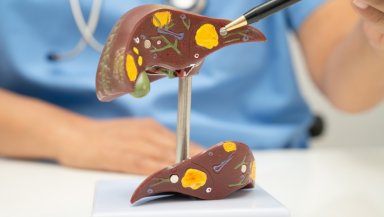
Thyroid disorders, anemia, diabetes, infections, and heart problems may cause persistent low stamina.
Medical evaluation may be necessary if symptoms continue.
7 Effective Ways to Increase Stamina
1. Exercise Regularly
Exercise is one of the best ways to build stamina naturally.
It strengthens the heart, improves oxygen flow, and builds muscle endurance.
Best Exercises
- Walking
- Jogging
- Cycling
- Swimming
- Strength training
- Yoga
Start slowly and increase gradually.
2. Eat a Balanced Diet
Nutrition directly affects stamina and recovery.
Important Nutrients
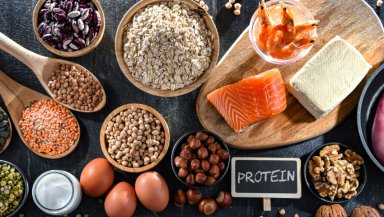
- Protein
- Iron
- Healthy carbohydrates
- Vitamin B12
- Vitamin D
- Healthy fats
Good Food Choices
- Eggs
- Milk
- Nuts
- Fruits
- Vegetables
- Whole grains
- Lentils
These protein rich foods help support muscle recovery and sustained energy levels. Food is your body’s fuel.
3. Stay Hydrated
Proper hydration improves blood circulation, muscle function, and energy levels.
Simple Rule
Drink enough plain water throughout the day, especially during exercise.
Avoid too many sugary drinks.
4. Improve Sleep Quality
Good sleep allows muscles and the nervous system to recover properly.
Healthy Goal
Aim for 7–8 hours of quality sleep every night.
Better sleep means better stamina.
5. Manage Stress
Stress quietly reduces stamina by draining mental energy.
Helpful Methods
- Meditation
- Deep breathing
- Walking outdoors
- Relaxation breaks
- Proper work-life balance
Mental recovery matters too.
6. Build Strength Gradually
Do not try to improve stamina too fast.
Consistency is better than intensity.
Best Approach
Increase workout time, walking distance, or physical activity little by little each week.
7. Treat Underlying Health Problems
If anemia, thyroid disease, vitamin deficiency, or diabetes is causing low stamina, treatment is necessary for real improvement.
Ignoring the root cause delays recovery.
Table: Quick Home Tips to Improve Stamina
| Method | How It Helps | Usage Instructions |
|---|---|---|
| Exercise | Builds endurance | Daily walking or workouts |
| Balanced Diet | Improves energy | Protein + vitamins daily |
| Hydration | Prevents fatigue | Drink water regularly |
| Sleep | Supports recovery | 7–8 hours daily |
| Stress Control | Protects mental energy | Meditation and rest |
Symptoms of Low Stamina
Recognizing symptoms early helps prevent worsening fatigue.
Common Signs Include
- Feeling tired quickly
- Shortness of breath
- Muscle weakness
- Poor exercise tolerance
- Difficulty concentrating
- Frequent exhaustion
- Dizziness
- Low motivation
- Slow recovery after activity
- Lack of physical strength
Persistent symptoms should not be ignored.
When to Seek Medical Help
Sometimes low stamina is more than simple tiredness.
Consult a doctor if you experience:
- Severe weakness for weeks
- Sudden drop in energy
- Frequent dizziness
- Chest pain during activity
- Shortness of breath
- Unexplained weight loss
- Pale skin and fatigue
- Poor stamina despite healthy habits
These may indicate anemia, heart issues, thyroid problems, or other medical conditions.
Early diagnosis improves recovery.
Best Supplements for Improving Stamina
Supplements may help when nutritional deficiency is present.
Commonly Recommended Options Include
Iron Supplements
Helpful for anemia and low hemoglobin, especially when dietary intake of iron rich foods is insufficient.
Vitamin B12
Supports energy production and nerve health.
Vitamin D
Improves muscle strength and reduces fatigue.
Protein Supplements
Useful for muscle recovery and strength building.
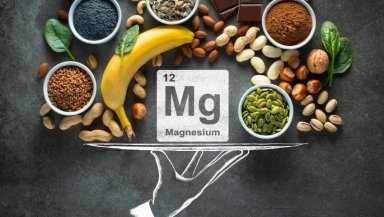
Magnesium
Supports muscle function and reduces tiredness. Always consult the doctor before starting supplements.
Conclusion
Learning how to increase stamina is one of the best investments you can make for your health. Better stamina improves energy, confidence, work performance, fitness, and overall quality of life.
Simple habits like regular exercise, balanced eating, proper sleep, hydration, and stress management can create powerful long-term results. Supplements may help in some cases, but healthy daily routines remain the strongest foundation.
If low stamina continues despite lifestyle improvements, medical evaluation is important to identify the real cause.
Strong stamina means a stronger life.
Frequently Asked Questions
How can I increase stamina quickly?
Regular exercise, proper sleep, hydration, and balanced nutrition are the fastest ways to improve stamina naturally.
Does walking improve stamina?
Yes, daily walking improves endurance, heart health, and muscle strength.
Can low iron cause low stamina?
Yes, iron deficiency commonly causes weakness, fatigue, and poor stamina.
Which foods increase stamina?
Eggs, bananas, nuts, milk, lentils, fruits, and whole grains are excellent stamina-supporting foods.
Can stress reduce stamina?
Yes, stress drains mental and physical energy and can greatly reduce stamina.
How long does it take to improve stamina?
With consistent habits, noticeable improvement often happens within a few weeks.