Iron Rich Foods: 12 Best Sources for Better Energy, Stronger Blood, and Overall Health
Medicine Made Simple Summary
Quick Summary: Best Iron Rich Foods for Daily Health
- Spinach, lentils, and beans are excellent plant-based iron rich foods
- Red meat, liver, and eggs provide high-quality iron sources
- Vitamin C helps improve iron absorption in the body
- Iron helps make healthy red blood cells and prevents anemia
- Low iron levels can cause weakness, dizziness, and fatigue
- Women and growing children are more likely to need extra iron
- A balanced diet helps maintain healthy iron levels naturally
Iron is one of the most important minerals your body needs every day. It helps carry oxygen through the blood, supports energy production, improves immunity, and keeps your body functioning properly. Without enough iron, the body cannot produce healthy red blood cells, leading to iron deficiency anemia.
Many people experience tiredness, weakness, pale skin, or dizziness without realizing that low iron may be the reason. This is especially common in women, children, teenagers, and people with poor eating habits.
Including enough iron rich foods in your daily diet is one of the best ways to prevent deficiency and improve long-term health.
In this guide, we’ll explore the best iron rich foods, why iron matters, symptoms of low iron, treatment options, and how to maintain healthy iron levels naturally.
Why Iron Matters for Your Body
Iron plays a major role in producing hemoglobin, a protein in red blood cells that carries oxygen from the lungs to the rest of the body.
Without enough iron, your body struggles to deliver oxygen properly, which leads to tiredness and weakness.
Iron is important for:
- Healthy red blood cell production
- Energy and stamina
- Brain function
- Strong immunity
- Healthy pregnancy
- Proper growth in children
- Preventing anemia
A well-planned diet chart for iron deficiency anemia often focuses on improving daily iron intake through food.
Iron deficiency can affect anyone, but it is especially common in:
- Women during menstruation
- Pregnant women
- Growing children
- Teenagers
- Vegetarians
- People with poor diets
- People with digestive problems
That is why understanding iron rich foods is essential for better health.
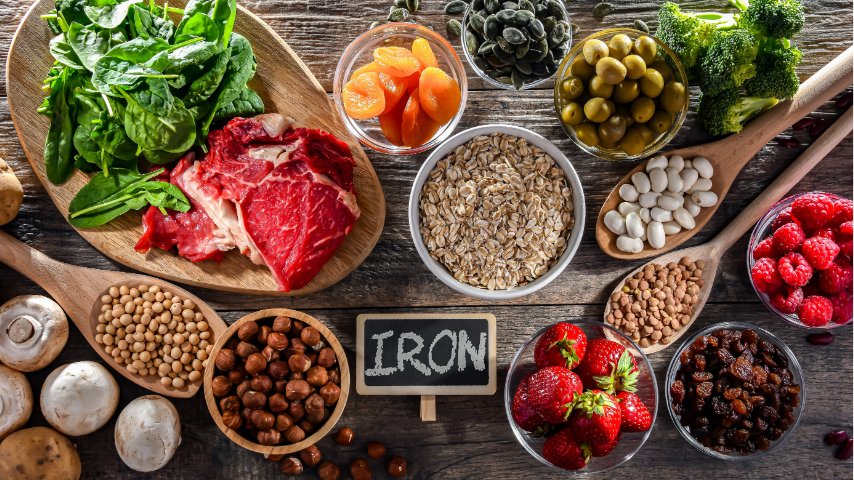
12 Best Iron Rich Foods
1. Spinach
Spinach is one of the most popular plant-based iron rich foods.
It also contains vitamin C, fiber, and antioxidants that support overall health.
Best Benefit
Cooked spinach improves iron absorption better than raw spinach.
2. Lentils (Dal)
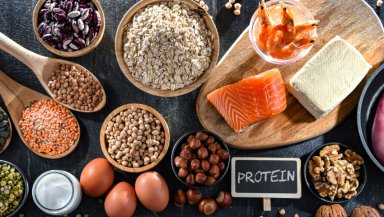
Lentils are affordable, easy to cook, and rich in both iron and protein rich foods.
They are one of the best vegetarian iron sources.
Popular Options
- Moong dal
- Masoor dal
- Toor dal
- Chana dal
Daily dal intake supports better blood health.
3. Red Meat
Red meat is one of the richest sources of heme iron, which is more easily absorbed by the body.
Common Choices
- Mutton
- Beef
- Lamb
Moderation is important for heart health.
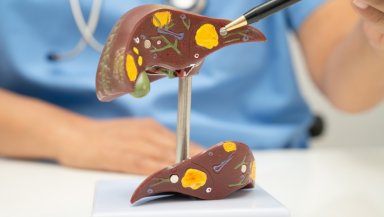
4. Liver
Liver is extremely rich in iron and vitamin B12.
It is often recommended for people with severe iron deficiency anemia.
Important Note
It should be eaten in moderation due to high vitamin A content.
5. Eggs
Eggs provide iron along with protein, vitamin B12, and healthy fats.
The yolk contains most of the iron.
Boiled eggs are usually the healthiest choice.
6. Beans
Kidney beans, black beans, and soybeans are excellent plant-based iron sources.
They also improve digestion due to high fiber content.
7. Pumpkin Seeds
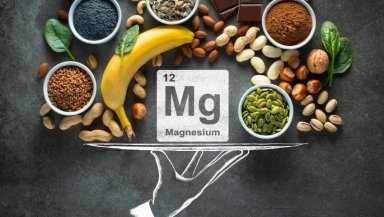
Pumpkin seeds are rich in iron, magnesium rich foods, and healthy fats.
They are easy to add to salads, oats, and snacks.
8. Tofu
Tofu is a great iron rich food for vegetarians and vegans.
It also provides protein and supports muscle health.
9. Dark Chocolate
Dark chocolate contains iron and antioxidants.
Healthy Tip
Choose dark chocolate with higher cocoa content and lower sugar.
10. Beetroot
While beetroot itself is not extremely high in iron, it supports better blood health and is commonly included in iron-boosting diets.
11. Pomegranate
Pomegranate helps improve blood health and is often recommended for people with low iron.
It also supports immunity and digestion.
12. Fortified Cereals
Many breakfast cereals are fortified with iron and can help improve daily intake.
Always check the nutrition label before buying.
Table: Quick High-Iron Food Sources
| Food | Iron Benefit | Best Usage |
|---|---|---|
| Spinach | Plant-based iron source | Cooked vegetables |
| Lentils | Iron + protein | Daily meals |
| Eggs | Iron + vitamin B12 | Boiled or omelet |
| Red Meat | Easily absorbed heme iron | Moderate intake |
| Pumpkin Seeds | Iron + minerals | Snacks and salads |
Causes of Iron Deficiency
Understanding the cause helps prevent long-term deficiency.
Poor Diet
Low intake of iron rich foods is the most common cause.
Heavy Menstrual Bleeding
Women with heavy periods often lose more iron.
Pregnancy
The body needs extra iron during pregnancy for both mother and baby.
Digestive Disorders
Conditions like celiac disease and Crohn’s disease reduce iron absorption.
Blood Loss
Internal bleeding, ulcers, or surgery may lower iron levels.
Rapid Growth
Children and teenagers need more iron during growth phases.
Symptoms of Low Iron Levels
Iron deficiency often develops slowly, so symptoms may be ignored at first.
Common Signs Include
- Constant fatigue
- Weakness
- Pale skin
- Dizziness
- Shortness of breath
- Headaches
- Hair fall
- Cold hands and feet
- Poor concentration
- Fast heartbeat
Persistent symptoms should not be ignored.
Iron Deficiency Treatment: When to Seek Medical Help
Mild deficiency may improve with diet, but severe cases require medical attention.
Consult a doctor if you experience:
- Extreme tiredness
- Frequent dizziness
- Very pale skin
- Difficulty breathing
- Heavy hair fall
- Severe weakness
- Confirmed anemia in blood tests
In some individuals, nutritional deficiencies may occur alongside conditions such as vitamin d deficiency, making medical evaluation important.
Early treatment prevents serious complications and improves energy levels faster.
Best Iron Supplements
Sometimes food alone may not be enough, especially in moderate to severe deficiency.
Common Iron Supplements Include
Ferrous Sulfate
One of the most commonly prescribed iron supplements.
Ferrous Fumarate
Used for improving hemoglobin levels effectively.
Ferrous Gluconate
Sometimes preferred for better stomach tolerance.
Multivitamin with Iron
Helpful when multiple deficiencies are present.
Iron Injections
Used in severe deficiency or poor absorption cases.
Always take iron supplements only under medical guidance.
Conclusion
Including enough iron rich foods in your daily diet is one of the best ways to improve energy, prevent anemia, and support overall health. Simple foods like spinach, lentils, eggs, beans, and red meat can make a major difference.
Iron supports blood health, stamina, immunity, and proper body function. While supplements may help in certain cases, natural food sources should always be your first priority.
A balanced diet, regular health checkups, and early treatment are the best ways to maintain healthy iron levels and live a stronger, healthier life.
Frequently Asked Questions
What are the best iron rich foods for vegetarians?
Spinach, lentils, beans, tofu, pumpkin seeds, and fortified cereals are excellent vegetarian iron sources.
Does vitamin C help with iron absorption?
Yes, vitamin C improves the body’s ability to absorb iron from plant-based foods.
Can low iron cause tiredness?
Yes, fatigue and weakness are the most common symptoms of iron deficiency.
Are eggs good for iron deficiency?
Yes, eggs provide iron along with protein and vitamin B12.
How can I increase iron levels quickly?
Eating iron rich foods along with prescribed supplements can improve levels faster.
Can too much iron be harmful?
Yes, excess iron can be harmful, so supplements should only be taken under medical advice.