Uric Acid Symptoms: Causes, Warning Signs, Treatment, and Best Ways to Control High Uric Acid
Medicine Made Simple
Quick Summary: Best Ways to Manage Uric Acid Symptoms
- High uric acid may cause joint pain, swelling, stiffness, and gout attacks
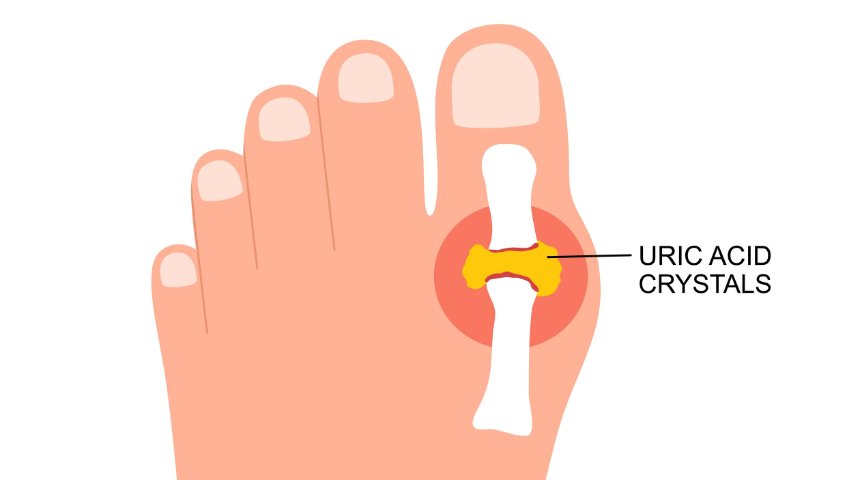
- The big toe is one of the most commonly affected joints
- Drinking enough water helps flush excess uric acid
- Reducing red meat and high-purine foods helps control uric acid
- Weight management improves long-term uric acid balance
- Medicines may be needed for severe or repeated gout attacks
- Seek medical help if joint pain becomes severe or frequent
Uric acid is a natural waste product formed when the body breaks down substances called purines, which are found in many foods and also produced naturally by the body. Normally, uric acid dissolves in the blood, passes through the kidneys, and leaves the body through urine.
However, when too much uric acid builds up or the kidneys cannot remove it properly, the level rises in the blood. This condition is called hyperuricemia. Over time, high uric acid can form sharp crystals in the joints, causing pain, swelling, and a condition known as gout.
Many people ignore early uric acid symptoms until severe joint pain begins. Understanding the signs early helps prevent long-term joint damage and kidney problems, including concerns related to small kidney stones pass naturally in some cases.
In this guide, we’ll explain the common uric acid symptoms, causes, treatment options, home remedies, and when medical help becomes necessary.
Let’s begin.
Synopsis
- Why Uric Acid Balance Matters
- Common Causes of High Uric Acid
- 7 Effective Ways to Control Uric Acid
- Table: Quick Home Remedies for High Uric Acid
- Symptoms of High Uric Acid
- When to Seek Medical Help
- Best Medicines for Uric Acid Control
- Frequently Asked Questions
- Conclusion
Why Uric Acid Balance Matters
Uric acid itself is normal in the body, but problems start when levels become too high.
Healthy uric acid balance helps with:
- Pain-free joints
- Better kidney function
- Reduced gout attacks
- Lower kidney stone risk
- Better mobility
- Reduced inflammation
When uric acid rises too much, crystals may form in joints and kidneys, leading to pain and serious complications.
That is why understanding uric acid symptoms and treating them early is extremely important.
Common Causes of High Uric Acid
1. High-Purine Foods
Certain foods increase uric acid production.
Common Trigger Foods
- Red meat
- Organ meats
- Seafood
- Shellfish
- Alcohol
- Sugary drinks
Frequent intake increases gout risk.
2. Poor Kidney Function
The kidneys remove uric acid from the body.
If kidney function becomes weak, uric acid builds up in the blood.
3. Obesity
Excess body weight increases uric acid production and makes it harder for the kidneys to remove it.
Weight control is very important.
4. Dehydration
Not drinking enough water reduces uric acid removal through urine.
This increases the risk of crystal formation.
5. Diabetes and Metabolic Problems
Conditions like diabetes, high blood pressure, and metabolic syndrome often increase uric acid levels.
6. Certain Medicines
Some medicines like diuretics (water tablets) may increase uric acid levels.
Medical guidance is important.
7. Family History
Genetics can increase the chance of high uric acid and repeated gout attacks.
7 Effective Ways to Control Uric Acid
1. Drink More Water
Hydration helps the kidneys flush out excess uric acid.
Best Practice
- Drink enough plain water throughout the day unless your doctor advises fluid restriction
This is one of the simplest and most effective steps.
2. Reduce High-Purine Foods
Food choices strongly affect uric acid levels.
Foods to Limit
- Red meat
- Liver
- Beer
- Sugary sodas
- Seafood
- Processed junk food
Diet control helps prevent repeated attacks, and following a balanced diet chart for iron deficiency anemia may also support overall nutritional health.
3. Maintain Healthy Weight
Gradual weight loss improves uric acid control and reduces pressure on painful joints.
Avoid sudden crash dieting.
4. Eat More Low-Purine Foods
Certain foods help support better uric acid balance.
Helpful Foods
- Fruits
- Vegetables
- Whole grains
- Low-fat dairy
- Cherries
- Citrus fruits
Balanced eating supports recovery.
5. Avoid Alcohol
Alcohol, especially beer, increases uric acid production and worsens gout symptoms.
Reducing alcohol is strongly recommended.
6. Stay Physically Active
Regular movement improves metabolism and weight control.
Helpful Activities
- Walking
- Light exercise
- Yoga
- Stretching
Avoid excessive strain during painful gout attacks.
7. Follow Medical Treatment Properly
If uric acid remains high or gout attacks repeat, medicines become necessary.
Ignoring treatment may lead to joint damage.
Quick Home Remedies for High Uric Acid
Remedy
- Hydration
- Low-Purine Diet
- Weight Management
- Cherries & Fruits
- Regular Exercise
How It Helps
- Flushes uric acid
- Reduces uric acid production
- Improves metabolism
- Supports inflammation control
- Improves overall health
Usage Instructions
- Drink water regularly
- Avoid trigger foods
- Maintain healthy weight
- Include in daily diet
- Stay active daily
Symptoms of High Uric Acid
Some people have no symptoms until gout begins.
Common Signs Include
- Sudden joint pain
- Swelling in joints
- Redness around joints
- Big toe pain
- Morning stiffness
- Warm painful joints
- Difficulty walking
- Repeated gout attacks
- Kidney stone symptoms
- Pain in ankles, knees, or fingers
The big toe is one of the most commonly affected areas.
Persistent symptoms should not be ignored.
When to Seek Medical Help
Some mild discomfort improves early, but certain symptoms require immediate attention.
Consult a doctor if you experience:
- Severe sudden joint pain
- Swollen red painful joints
- Repeated gout attacks
- Difficulty walking
- Fever with joint pain
- Blood in urine
- Severe lower back pain
- Known kidney stones
- Very high uric acid in blood tests
These may indicate gout complications or kidney problems.
Early treatment prevents long-term damage.
Best Medicines for Uric Acid Control
Treatment depends on uric acid levels and gout severity.
Commonly Recommended Medicines Include
- Allopurinol
Helps reduce uric acid production and prevents repeated gout attacks. - Febuxostat
Another medicine used for long-term uric acid control. - Colchicine
Often used during acute gout attacks to reduce inflammation. - NSAIDs
Pain relief medicines help reduce swelling and joint pain. - Uricosuric Medicines
Help the kidneys remove more uric acid in certain cases.
Always take medicines only under proper medical guidance.
Conclusion
Uric acid symptoms often begin quietly but can become extremely painful when gout attacks start. Joint pain, swelling, and repeated inflammation should never be ignored.
Simple habits like drinking more water, reducing high-purine foods, managing weight, and following medical treatment can greatly improve uric acid control and protect long-term joint health.
The earlier you act, the easier it becomes to prevent complications like gout and kidney stones.
Taking care of uric acid today helps protect your mobility and comfort for the future.
Frequently Asked Questions
1. What are the first symptoms of high uric acid?
Sudden joint pain, swelling, stiffness, and pain in the big toe are common early signs.
2. Can high uric acid cause knee pain?
Yes, uric acid crystals can affect knees, ankles, and other joints.
3. Does drinking water reduce uric acid?
Yes, proper hydration helps remove uric acid through urine.
4. Which foods increase uric acid the most?
Red meat, organ meats, alcohol, seafood, and sugary drinks are common triggers.
5. Can uric acid cause kidney stones?
Yes, high uric acid can lead to kidney stone formation in some people.
6. Can high uric acid be cured permanently?
It can be controlled very well with diet, lifestyle changes, and proper medical treatment.