How to Reduce Blood Sugar Level Immediately: 7 Fast and Effective Ways for Better Control
Medicine Made Simple Summary
Quick Summary: Best Ways to Reduce Blood Sugar Quickly
- Drink more water to help flush excess glucose
- Take a short walk after meals
- Eat high-fiber foods like oats, vegetables, and lentils
- Avoid sugary drinks and refined carbohydrates
- Manage stress through relaxation techniques
- Take diabetes medication exactly as prescribed
- Sleep well to improve insulin sensitivity
- Seek medical help if blood sugar remains dangerously high
High blood sugar can make you feel tired, thirsty, dizzy, and uncomfortable. It may happen suddenly after eating unhealthy foods, missing medication, stress, illness, or lack of exercise. If left unmanaged, high blood sugar can lead to serious complications involving the heart, kidneys, eyes, and nerves.
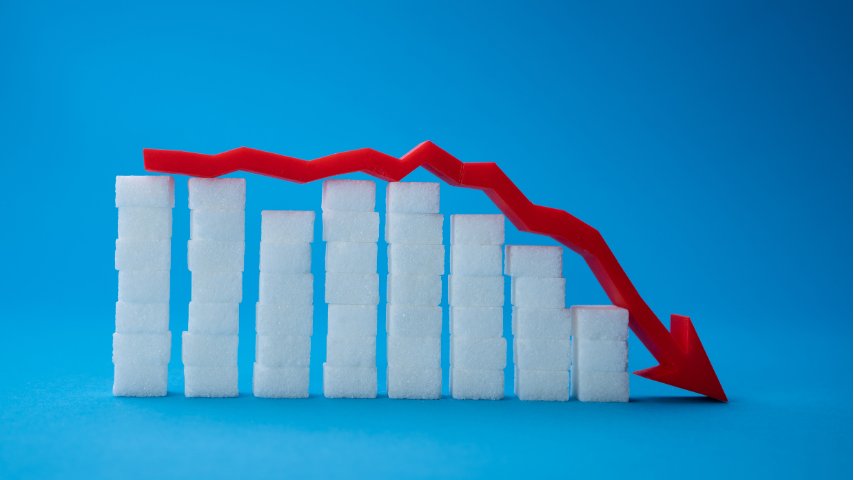
Knowing how to reduce blood sugar level immediately is extremely important, especially for people living with diabetes or prediabetes. Quick action can help prevent emergencies and improve your overall health. In this guide, we’ll explain simple and effective ways to lower blood sugar fast, common causes of sugar spikes, warning signs, treatment options, and when you should see a doctor.
Let’s dive in.
Why Blood Sugar Control Matters
Blood sugar, also called blood glucose, is the body’s main source of energy. It comes from the food you eat, especially carbohydrates like rice, bread, fruits, and sweets. The hormone insulin helps move glucose from your blood into your cells, where it is used for energy.
When your body does not make enough insulin or cannot use it properly, sugar builds up in the bloodstream. This condition is called hyperglycemia or high blood sugar.
Managing cardiovascular risk factors is important because some foods commonly referred to as natural blood thinners may be discussed alongside overall heart-healthy lifestyle habits.
If high blood sugar continues for a long time, it can lead to serious health problems such as:
- Heart disease
- Kidney damage
- Vision loss
- Nerve damage
- Slow wound healing
- Frequent infections
- Increased risk of stroke
Even short-term sugar spikes can cause weakness, headaches, blurred vision, and fatigue. That is why understanding how to reduce blood sugar level immediately is essential for staying healthy and avoiding complications.
7 Ways to Reduce Blood Sugar Level Immediately
1. Drink More Water
Drinking water is one of the fastest and safest ways to support blood sugar control.
When your sugar levels rise, your kidneys work harder to remove extra glucose through urine. Drinking enough water helps this process and prevents dehydration, which can make blood sugar worse.
Water also improves circulation and helps your body function more efficiently.
Best Practice
Drink plain water slowly throughout the day. Avoid sugary juices, sodas, and sweetened drinks because they can raise sugar levels even more.
Coconut water may help in small amounts, but plain water is always the safest choice.
2. Take a Short Walk
Physical activity helps your muscles use glucose for energy. This lowers the amount of sugar in your bloodstream and improves insulin sensitivity.
Even light exercise like walking can be highly effective, especially after meals.
Recommended Routine
Take a brisk 15 to 30-minute walk after lunch or dinner. This simple habit can significantly reduce post-meal blood sugar spikes.
Avoid intense workouts if your blood sugar is extremely high without medical advice.
3. Eat Fiber-Rich Foods
Fiber slows down digestion and helps prevent sudden sugar spikes after eating. It allows glucose to enter the bloodstream gradually, making sugar levels more stable.
Foods rich in soluble fiber are especially helpful for diabetes management.
Good Food Choices
- Oats
- Lentils
- Green leafy vegetables
- Chia seeds
- Whole grains
- Beans
- Apples
- Carrots
Many of these foods can also be considered protein rich foods when included as part of a balanced diet.
These foods also support digestion, heart health, and healthy weight management.
4. Avoid Sugary and Refined Foods
Refined carbohydrates and sugary snacks are major reasons for sudden blood sugar spikes.
These foods are quickly broken down into glucose, causing rapid increases in blood sugar.
Foods to Avoid
- White bread
- Cakes and pastries
- Soft drinks
- Candy and sweets
- Fried fast food
- Biscuits and chips
- Processed packaged snacks
Better Alternatives
Choose healthier snacks like:
- Nuts
- Boiled eggs
- Fresh fruits
- Plain yoghurt
- Vegetable salads
- Roasted seeds
Several nuts and seeds are also excellent magnesium rich foods.
Making better food choices every day can lead to long-term improvement.
5. Manage Stress Effectively
Stress has a direct impact on blood sugar levels.
When you are stressed, your body releases hormones like cortisol and adrenaline. These hormones increase glucose levels in the blood as part of the body’s stress response.
Chronic stress can make diabetes management much harder.
Helpful Stress Relief Methods
- Deep breathing exercises
- Meditation
- Yoga
- Listening to calming music
- Short breaks during work
- Spending time outdoors
- Proper rest
Even 10 minutes of relaxation can help lower stress-related sugar spikes.
6. Take Prescribed Medicines Properly
Medication plays a major role in blood sugar control for people with diabetes.
Skipping tablets or insulin doses can quickly lead to dangerous glucose spikes and serious complications.
Important Reminder
Always take your medicines exactly as prescribed by your doctor. Never stop medication without professional guidance.
Do not adjust insulin doses on your own unless advised by your healthcare provider.
7. Get Proper Sleep
Sleep is often ignored, but it has a strong effect on blood sugar control.
Poor sleep increases insulin resistance, which means your body struggles to use insulin effectively. This leads to higher sugar levels and increased hunger.
Healthy Sleep Goal
Aim for 7 to 8 hours of quality sleep every night.
Good sleep improves metabolism, hormone balance, energy levels, and overall blood sugar management.
Table: Quick Home Remedies for High Blood Sugar
| Remedy | How It Helps | Usage Instructions |
|---|---|---|
| Drinking Water | Flushes excess sugar | Sip water regularly |
| Walking | Helps muscles use glucose | 20-minute brisk walk |
| Fiber-Rich Foods | Slows sugar absorption | Include oats and vegetables |
| Stress Management | Lowers cortisol levels | Practice meditation daily |
Causes of High Blood Sugar
Understanding the cause helps prevent future episodes.
Poor Diet
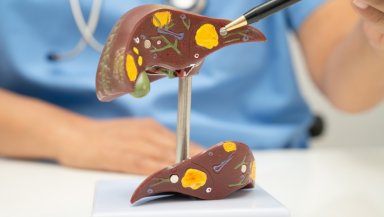
Eating too much sugar, white rice, bread, sweets, and fried foods can cause sudden blood sugar spikes. Long-term unhealthy eating habits may also contribute to conditions associated with signs of fatty liver.
Missed Medication
Skipping diabetes tablets or insulin is one of the most common reasons for high sugar levels.
Stress
Emotional stress affects hormones and can raise glucose unexpectedly.
Illness or Infection
Fever, infections, and inflammation increase the body’s stress response and blood sugar.
Lack of Exercise
Physical inactivity reduces insulin efficiency and makes glucose control harder.
Poor Sleep
Lack of sleep affects hormone balance and worsens insulin resistance.
Hormonal Changes
Pregnancy, thyroid disorders, and steroid medicines may also increase blood sugar levels.
Symptoms of High Blood Sugar
Recognizing symptoms early helps prevent complications and allows faster treatment.
Common Signs Include
- Extreme thirst
- Frequent urination
- Dry mouth
- Blurred vision
- Headaches
- Tiredness and weakness
- Increased hunger
- Difficulty concentrating
- Slow wound healing
- Frequent infections
If these symptoms continue for several days, medical evaluation becomes important.
Diabetes Treatment: When to Seek Medical Help
Most mild blood sugar spikes can be managed at home with proper care. However, some situations require immediate medical attention.
Seek medical help if you experience:
- Very high blood sugar readings for several hours
- Vomiting or severe nausea
- Difficulty breathing
- Extreme weakness
- Confusion or dizziness
- Severe abdominal pain
- Signs of diabetic ketoacidosis
Ignoring these warning signs can become dangerous and may require emergency treatment.
Professional medical guidance ensures proper diagnosis and the safest treatment plan.
Best Medicine for High Blood Sugar
While lifestyle changes are essential, medications may be necessary for better glucose control.
Some commonly recommended medicines include:
Metformin
Helps improve insulin sensitivity and reduces sugar production in the liver.
Insulin Therapy
Used when blood sugar rises significantly or when diabetes becomes advanced.
Sulfonylureas
These medicines help the pancreas release more insulin.
GLP-1 Medications
Help control blood sugar while also supporting weight management.
SGLT2 Inhibitors
Help remove excess glucose through urine.
Always consult your doctor before starting, stopping, or changing any diabetes medication.
Conclusion
Learning how to reduce blood sugar level immediately can protect your health and prevent serious complications. Simple daily habits like drinking more water, walking after meals, choosing fiber-rich foods, reducing stress, and taking medicines properly can make a huge difference.
Quick action helps in emergencies, but long-term success comes from consistent healthy choices. Monitoring your blood sugar regularly, staying active, eating wisely, and following medical advice are the best ways to maintain stable glucose levels.
If symptoms persist or blood sugar remains high despite home care, always seek professional medical help. Managing blood sugar is not just about treatment—it is about protecting your future health and living a healthier life.
Frequently Asked Questions
How can I reduce blood sugar immediately at home?
Drinking water, walking, eating fiber-rich foods, and taking prescribed medication can help lower blood sugar quickly.
Can drinking water reduce blood sugar?
Yes, water helps your kidneys flush out excess glucose and supports better hydration.
Does walking lower blood sugar fast?
Yes, even a short brisk walk helps muscles use glucose more effectively and improves insulin sensitivity.
What foods should I avoid during high blood sugar?
Avoid sweets, sugary drinks, white bread, cakes, fried foods, and processed snacks.
When is high blood sugar dangerous?
It becomes dangerous when symptoms like vomiting, breathing difficulty, confusion, or severe weakness occur.
Can stress increase blood sugar levels?
Yes, stress hormones like cortisol and adrenaline can significantly raise blood glucose.