Signs of Fatty Liver: Causes, Symptoms, Treatment, and Best Ways to Improve Liver Health
Medicine Made Simple
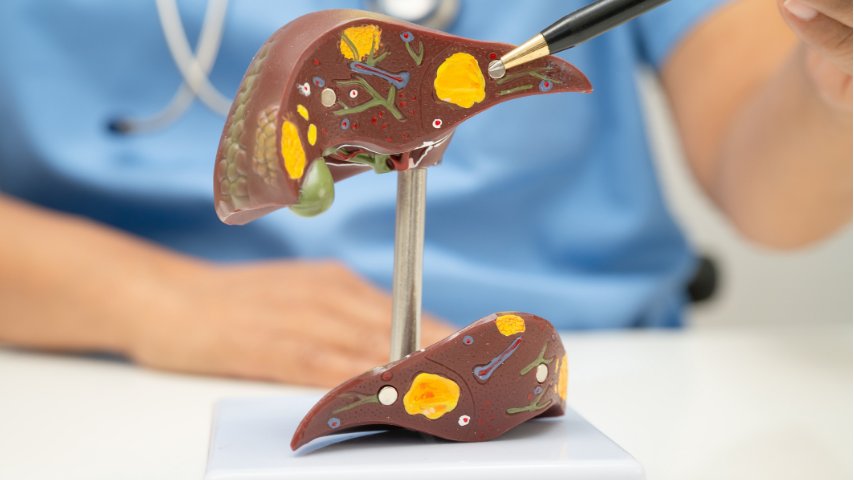
The liver is one of the most important organs in the body. It helps with digestion, removes toxins, stores nutrients, and supports overall metabolism. When too much fat builds up inside the liver cells, the condition is called fatty liver disease.
Many people have fatty liver without realizing it because the condition often develops silently in the early stages. Some people discover it only during a routine health checkup or ultrasound. If left untreated, fatty liver can progress to liver inflammation, scarring, and serious liver damage.
Fatty liver is becoming more common due to poor diet, obesity, diabetes, and inactive lifestyles. The good news is that early-stage fatty liver can often be reversed with simple lifestyle changes.
In this guide, we’ll explain the common signs of fatty liver, causes, treatment options, home remedies, and when medical help becomes necessary.
Let’s begin.
Quick Summary: Best Ways to Manage Signs of Fatty Liver
- Fatty liver happens when excess fat builds up in the liver
- Early stages may show no symptoms at all
- Common signs include fatigue, abdominal discomfort, and unexplained weight changes
- Healthy weight loss helps reduce liver fat naturally
- Reducing sugar, oily foods, and alcohol improves liver health
- Regular exercise supports liver recovery
- Seek medical help if symptoms become persistent or severe
Why Liver Health Matters
Your liver performs hundreds of important functions every day.
Healthy liver function helps with:
- Digestion of fats
- Removing harmful toxins
- Blood sugar balance
- Energy production
- Hormone balance
- Nutrient storage
- Strong immunity
When fat starts collecting inside the liver, these functions may slowly become affected.
Healthy liver care is essential for long-term wellness and preventing serious complications.
That is why understanding the signs of fatty liver is very important.
Common Causes of Fatty Liver
1. Obesity
Excess body weight is one of the most common causes of fatty liver.
Extra fat in the body increases fat storage inside the liver.
Common Signs
- Weight gain
- Belly fat
- Low energy
- Poor metabolism
Weight control is a major part of treatment.
2. Type 2 Diabetes
High blood sugar levels can increase fat buildup in the liver.
People with diabetes have a higher risk of fatty liver disease, which is why learning how to reduce blood sugar level immediately during high readings should always be discussed with a healthcare professional.
3. High Cholesterol
Excess cholesterol and triglycerides can contribute to liver fat accumulation.
This often happens with poor diet habits.
4. Poor Diet
Frequent intake of sugary drinks, fried foods, junk food, and refined carbohydrates increases fatty liver risk.
Common Trigger Foods
- Soft drinks
- White bread
- Fast food
- Cakes and sweets
- Oily snacks
5. Alcohol Consumption
Alcohol-related fatty liver happens when regular drinking damages liver cells and causes fat buildup.
Reducing alcohol is extremely important.
Understanding alcoholic liver disease causes and treatment may also help highlight the importance of protecting long-term liver health.
6. Lack of Exercise
A sedentary lifestyle slows metabolism and increases obesity risk, which affects liver health.
7. Hormonal and Metabolic Conditions
PCOS, thyroid disorders, and metabolic syndrome may increase fatty liver risk.
7 Effective Ways to Improve Fatty Liver
1. Lose Weight Gradually
Healthy weight loss is one of the best treatments for fatty liver.
Best Practice
Even losing 5–10% of body weight can significantly improve liver health.
Avoid sudden crash dieting.
2. Follow a Liver-Friendly Diet
Food choices directly affect liver recovery.
Helpful Foods
- Green vegetables
- Fruits
- Whole grains
- Lean protein
- Nuts
- Seeds
- Healthy fats
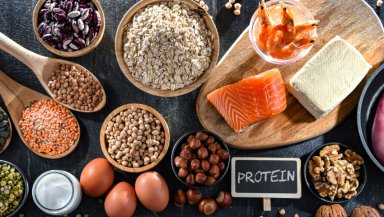
Reduce processed foods and sugar, while including protein rich foods as part of a balanced eating pattern.
3. Exercise Regularly
Physical activity helps burn fat and improve insulin sensitivity.
Helpful Activities
- Walking
- Cycling
- Swimming
- Strength training
- Yoga
Consistency matters more than intensity.
4. Avoid Alcohol
Alcohol increases liver damage and slows recovery.
Even small amounts may worsen fatty liver in some cases.
Avoiding alcohol supports faster healing.
5. Control Blood Sugar and Cholesterol
Managing diabetes and cholesterol improves fatty liver significantly.
Medical follow-up is important.
6. Stay Hydrated
Water supports digestion, metabolism, and overall liver function.
Simple Rule
Drink enough plain water daily.
Good hydration supports liver health.
7. Regular Liver Checkups
Blood tests and ultrasound help monitor liver health and treatment progress.
Early follow-up prevents complications.
Table: Quick Home Remedies for Fatty Liver
| Remedy | How It Helps | Usage Instructions |
|---|---|---|
| Weight Loss | Reduces liver fat | Gradual healthy weight loss |
| Healthy Diet | Improves liver function | Daily balanced meals |
| Exercise | Supports metabolism | Regular physical activity |
| Avoid Alcohol | Prevents liver damage | Complete reduction |
| Hydration | Supports liver health | Drink water regularly |
Signs of Fatty Liver
Fatty liver often has no symptoms early, but warning signs may appear over time.
Common Signs Include
- Constant fatigue
- Weakness
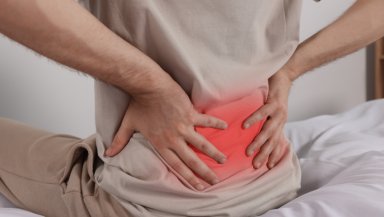
- Mild pain in the upper right abdomen
- Feeling of heaviness after meals
- Unexplained weight changes
- Loss of appetite
- Bloating
- Difficulty losing weight
- High cholesterol reports
- Elevated liver enzymes in blood tests
In advanced cases, symptoms may become more serious.
Persistent symptoms should not be ignored.
When to Seek Medical Help
Some early cases are silent, but certain warning signs need medical attention.
Consult a doctor if you experience:
- Persistent fatigue
- Right upper abdominal pain
- Sudden unexplained weight loss
- Swelling in the abdomen
- Yellowing of eyes or skin
- Severe weakness
- High liver enzyme reports
- Diabetes with liver-related symptoms
These may indicate worsening liver inflammation or liver damage.
Early diagnosis improves recovery.
Best Medicines for Fatty Liver
There is no single “fatty liver medicine,” and treatment mainly focuses on the root cause.
Commonly Recommended Options Include=
Diabetes Medicines
Used to improve blood sugar control and reduce liver stress.
Cholesterol Medicines
Helpful for managing high cholesterol and triglycerides.
Vitamin E
Sometimes recommended in specific cases under medical supervision.
Weight Management Programs
Often more effective than medicines alone.
Liver Monitoring
Regular doctor supervision is the most important treatment strategy.
Always consult your doctor before starting supplements or medication.
Conclusion
The signs of fatty liver often develop slowly, which makes early attention extremely important. Fatigue, abdominal discomfort, weight changes, and abnormal blood reports should never be ignored.
The good news is that fatty liver can often be improved—and even reversed—through healthy weight loss, better food choices, regular exercise, and proper medical follow-up.
Small daily habits create powerful long-term liver protection.
Taking care of your liver today helps protect your entire body for the future.
Frequently Asked Questions
What are the first signs of fatty liver?
Fatigue, mild abdominal discomfort, and difficulty losing weight are common early signs.
Can fatty liver be reversed?
Yes, early-stage fatty liver can often improve with weight loss, diet changes, and exercise.
Does fatty liver cause stomach pain?
It may cause mild discomfort or heaviness in the upper right abdomen.
Can fatty liver happen without alcohol?
Yes, non-alcoholic fatty liver is very common and is often linked to obesity and diabetes.
Which foods should be avoided in fatty liver?
Sugary drinks, fried foods, junk food, alcohol, and refined carbs should be limited.
Is fatty liver serious?
It can become serious if ignored and may lead to liver inflammation or damage over time.