Magnesium Rich Foods: 12 Best Sources for Better Energy, Stronger Muscles, and Overall Health
Medicine Made Simple
Magnesium is one of the most important minerals your body needs every day, yet many people do not get enough of it. It plays a major role in muscle function, nerve health, heart rhythm, bone strength, energy production, and even better sleep.
When magnesium levels become too low, the body may show signs like muscle cramps, weakness, fatigue, headaches, poor sleep, and irregular heartbeat. Many people ignore these symptoms without realizing magnesium deficiency may be the cause.
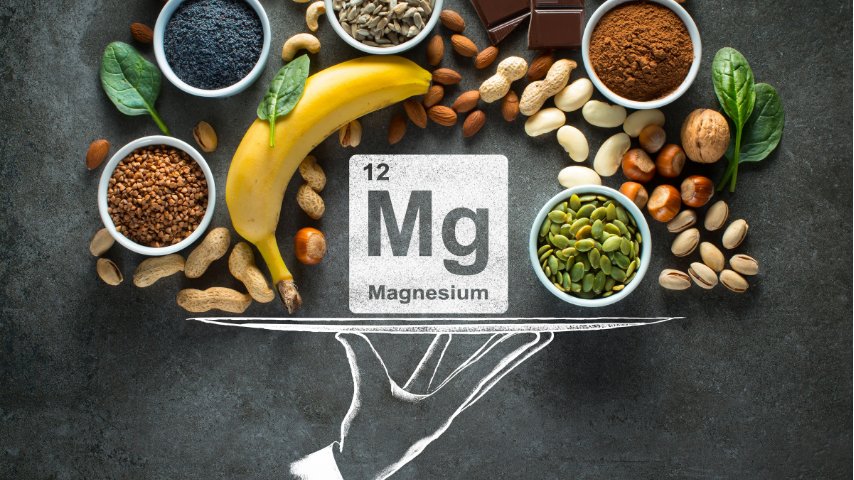
Including enough magnesium rich foods in your daily diet is one of the best ways to improve overall health naturally and prevent long-term health problems.
In this guide, we’ll explore the best magnesium rich foods, why magnesium matters, symptoms of deficiency, treatment options, and how to maintain healthy magnesium levels naturally.
Let’s begin.
Quick Summary: Best Magnesium Rich Foods for Daily Health
- Nuts and seeds are excellent magnesium rich foods for daily nutrition
- Spinach and leafy greens help improve magnesium levels naturally
- Bananas support muscle health and magnesium balance
- Dark chocolate provides magnesium along with antioxidants
- Magnesium supports muscles, nerves, sleep, and heart health
- Low magnesium may cause cramps, fatigue, and weakness
- A balanced diet helps maintain healthy magnesium levels naturally
Why Magnesium Matters for Your Body
Magnesium supports more than 300 important chemical reactions inside the body. It helps muscles relax, nerves function properly, and the heart maintain a healthy rhythm.
Magnesium is important for:
- Muscle function
- Strong bones
- Better sleep
- Healthy blood pressure
- Heart health
- Nerve support
- Energy production
- Blood sugar balance
Low magnesium can affect both physical and mental health if left untreated and may sometimes occur alongside vitamin d deficiency.
Magnesium deficiency is more common in:
- People with poor diets
- Diabetic patients
- Older adults
- People with digestive disorders
- Individuals under high stress
- People with poor sleep habits
That is why understanding magnesium rich foods is essential for better long-term health.
12 Best Magnesium Rich Foods
1. Pumpkin Seeds
Pumpkin seeds are one of the richest natural sources of magnesium.
They also provide zinc, iron, and healthy fats.
Best Benefit
A small handful daily can support heart and muscle health.
2. Spinach
Spinach is one of the best leafy greens for magnesium intake.
It also contains iron rich foods benefits along with calcium and antioxidants.
Helpful Tip
Cooked spinach often improves nutrient absorption better than raw.
3. Almonds
Almonds are rich in magnesium, healthy fats, and vitamin E.
They are excellent for both heart and brain health.
Best Use
Eat as a healthy snack or add to breakfast.
4. Cashews
Cashews provide magnesium along with protein and healthy fats.
They also support nerve and muscle function.
Moderation is important because they are calorie-dense.
5. Bananas
Bananas are well known for potassium, but they also support magnesium balance.
They help reduce muscle cramps and improve energy.
6. Dark Chocolate
Dark chocolate contains magnesium and powerful antioxidants.
Healthy Tip
Choose dark chocolate with higher cocoa content and less sugar.
7. Avocados
Avocados are rich in magnesium, healthy fats, and fiber.
They support heart health and better digestion.
8. Black Beans
Beans are excellent plant-based magnesium rich foods.
They also provide iron, protein rich foods, and fiber.
Common Options
- Black beans
- Kidney beans
- Chickpeas
- Lentils
9. Tofu
Tofu is a great magnesium source for vegetarians and vegans.
It also supports protein intake and bone health.
10. Yogurt
Yogurt provides magnesium along with calcium and probiotics.
It supports digestion and stronger bones.
11. Whole Grains
Brown rice, oats, and whole wheat are better magnesium sources than refined grains.
They also improve digestion and energy.
12. Fatty Fish
Fish like salmon and mackerel provide magnesium along with omega-3 fatty acids. They support heart and brain health.
Causes of Magnesium Deficiency
Understanding the cause helps prevent long-term health problems.
Poor Diet
Low intake of nuts, seeds, greens, and whole foods is a major cause.
Diabetes
High blood sugar may increase magnesium loss through urine.
Digestive Disorders
Crohn’s disease and celiac disease may reduce magnesium absorption.
Alcohol Use
Excess alcohol increases nutrient loss and deficiency risk.
Chronic Stress
Stress affects magnesium balance and increases deficiency risk.
Certain Medicines
Some medicines like diuretics may lower magnesium levels.
Table: Quick High-Magnesium Food Sources
| Food | Magnesium Benefit | Best Usage |
|---|---|---|
| Pumpkin Seeds | Very high magnesium | Daily snack |
| Spinach | Magnesium + iron | Cooked vegetables |
| Almonds | Healthy fats + magnesium | Snack or breakfast |
| Bananas | Muscle support | Daily fruit |
| Dark Chocolate | Magnesium + antioxidants | Moderate healthy treat |
Symptoms of Low Magnesium Levels
Magnesium deficiency often develops slowly, so symptoms may be overlooked.
Common Signs Include
- Muscle cramps
- Weakness
- Fatigue
- Poor sleep
- Headaches
- Anxiety
- Irregular heartbeat
- Numbness
- Loss of appetite
- High blood pressure
Persistent symptoms should not be ignored.
Treatment: When to Seek Medical Help
Mild deficiency may improve with diet, but moderate to severe deficiency requires medical attention.
Consult a doctor if you experience:
- Frequent muscle cramps
- Severe weakness
- Persistent fatigue
- Heart palpitations
- Trouble sleeping regularly
- Confirmed low magnesium in blood tests
- Numbness or tingling
- Symptoms not improving with diet changes
Early treatment helps prevent complications.
Best Magnesium Supplements
Sometimes food alone may not be enough, especially in moderate deficiency.
Common Magnesium Supplements Include
Magnesium Citrate
Often used for better absorption and general supplementation.
Magnesium Glycinate
Helpful for sleep, anxiety, and muscle relaxation.
Magnesium Oxide
Commonly used but may be less easily absorbed.
Magnesium Chloride
Sometimes recommended for better absorption support.
Multivitamins with Magnesium
Helpful when multiple nutrient deficiencies are present.
Always take supplements only under medical guidance.
Conclusion
Including enough magnesium rich foods in your daily diet is one of the best ways to improve energy, muscle health, sleep quality, and overall wellness. Simple foods like pumpkin seeds, spinach, almonds, bananas, and beans can make a major difference.
Magnesium supports the heart, nerves, muscles, and bones, making it one of the most important minerals for long-term health. While supplements may help in some cases, natural food sources should always be your first priority.
Healthy eating today helps build stronger health for the future.
Frequently Asked Questions
What are the best magnesium rich foods for daily use?
Pumpkin seeds, spinach, almonds, bananas, beans, and dark chocolate are excellent daily magnesium sources.
Can low magnesium cause muscle cramps?
Yes, muscle cramps are one of the most common signs of magnesium deficiency.
Does magnesium help with sleep?
Yes, magnesium supports muscle relaxation and better sleep quality.
Are bananas high in magnesium?
Bananas provide moderate magnesium and help support muscle function.
Can stress reduce magnesium levels?
Yes, chronic stress increases magnesium loss and may worsen deficiency.
Can too much magnesium be harmful?
Yes, excessive supplements may cause side effects, so medical guidance is important.