Itchy Scalp: Causes, Symptoms, Treatment, and Best Ways to Get Relief
Medicine Made Simple
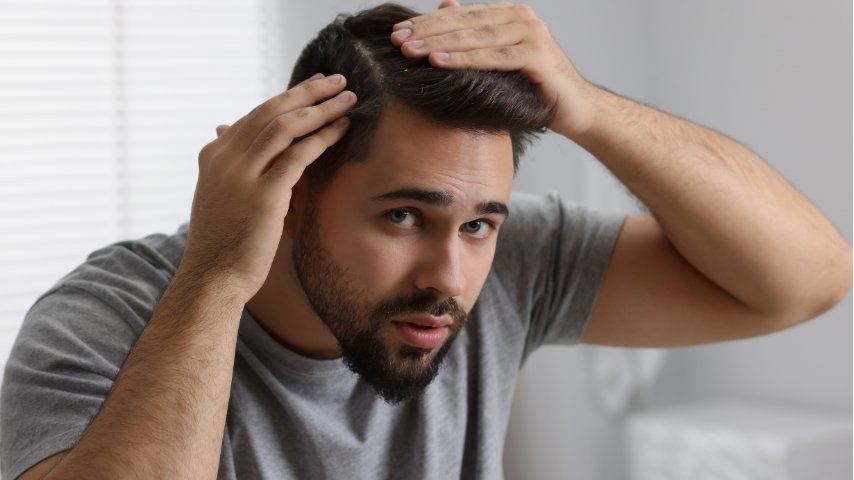
An itchy scalp may seem like a small problem, but constant itching can become frustrating, embarrassing, and uncomfortable. It may disturb your sleep, affect your confidence, and sometimes even lead to hair fall or scalp infections if ignored.
Many people experience scalp itching because of dandruff, dry skin, sweat buildup, fungal infections, allergic reactions, or poor scalp hygiene. In some cases, conditions like psoriasis, eczema, or lice may also be responsible.
Understanding the cause of itchy scalp is important because the right treatment depends on the reason behind the irritation. Simple lifestyle changes and proper scalp care can often provide quick relief.
In this guide, we’ll explain the common causes of itchy scalp, symptoms to watch for, treatment options, home remedies, and when medical help becomes necessary.
Let’s begin.
Quick Summary: Best Ways to Manage Itchy Scalp
- Itchy scalp may be caused by dandruff, dryness, fungal infections, or allergies
- Regular gentle hair washing helps remove dirt and excess oil
- Anti-dandruff shampoos can reduce itching and flakes
- Coconut oil and aloe vera may soothe scalp irritation
- Avoid harsh chemical hair products and excessive heat styling
- Hydration and a healthy diet improve scalp health
- Seek medical help if itching becomes severe or causes hair loss
Why Scalp Health Matters
Your scalp is the foundation of healthy hair. It protects hair roots, supports hair growth, and maintains moisture balance.
When the scalp becomes irritated, dry, or infected, it affects not only comfort but also overall hair health.
Healthy scalp care helps with:
- Stronger hair roots
- Reduced dandruff
- Less hair fall
- Better hair growth
- Reduced itching and irritation
- Improved scalp cleanliness
Ignoring scalp problems can lead to inflammation, infections, and long-term hair damage.
That is why understanding itchy scalp and treating it early is important.
Common Causes of Itchy Scalp
1. Dandruff
Dandruff is one of the most common causes of itchy scalp.
It happens when the scalp becomes oily, dry, or affected by a yeast-like fungus called Malassezia.
Common Signs
- White flakes on hair or shoulders
- Itching that worsens with sweating
- Oily or dry scalp patches
2. Dry Scalp
A dry scalp lacks enough moisture, leading to itching, tightness, and small flakes. In some cases, vitamin d deficiency may contribute to poor skin and scalp health.
This is common during winter or with excessive shampoo use.
3. Fungal Infections
Scalp fungal infections can cause itching, redness, scaling, and sometimes hair loss.
Warning Signs
- Round itchy patches
- Redness
- Scalp tenderness
- Hair thinning in affected areas
These infections need proper treatment.
4. Allergic Reactions
Hair dyes, shampoos, conditioners, and styling products may trigger scalp allergies.
This may cause sudden itching, redness, or burning.
5. Head Lice
Lice are tiny insects that cause intense itching, especially behind the ears and near the neck.
This is common in children but can affect adults too.
6. Psoriasis
Scalp psoriasis causes thick, red, scaly patches with severe itching.
It is a chronic skin condition that needs medical care.
7. Eczema (Seborrheic Dermatitis)
This causes red, oily, itchy patches on the scalp and often overlaps with dandruff symptoms.
7 Effective Ways to Relieve Itchy Scalp
1. Wash Hair Regularly
Gentle and regular hair washing helps remove dirt, sweat, and excess oil. This reduces itching caused by buildup.
Best Practice
Use mild shampoo 2–3 times a week depending on your scalp type. Avoid overwashing.
2. Use Anti-Dandruff Shampoo
If dandruff is the cause, medicated shampoos can provide quick relief.
Helpful Ingredients
- Ketoconazole
- Zinc pyrithione
- Selenium sulfide
- Salicylic acid
These help reduce flakes and itching.
3. Apply Coconut Oil
Coconut oil helps moisturize dry scalp and reduce irritation.
It also has mild antibacterial and soothing properties.
How to Use
Apply lightly before washing and avoid excessive oil buildup.
4. Try Aloe Vera
Aloe vera cools the scalp and reduces itching caused by dryness or mild irritation.
It is especially helpful for sensitive scalps.
5. Avoid Harsh Hair Products
Strong chemicals in hair dyes, sprays, and styling products can worsen scalp irritation.
Better Choice
Choose gentle, fragrance-free hair care products.
6. Stay Hydrated and Eat Well
Scalp health improves from inside the body too.
Helpful Nutrients
- Vitamin B
- Zinc
- Iron
- Omega-3 fats
- Protein
Including iron rich foods and protein rich foods in your diet may help support overall scalp and hair health.
Drink enough water and eat a balanced diet.
7. Avoid Scratching
Scratching may worsen inflammation and cause infection. Keeping nails short helps reduce accidental scalp damage.
Table: Quick Home Remedies for Itchy Scalp
| Remedy | How It Helps | Usage Instructions |
|---|---|---|
| Regular Washing | Removes buildup | Gentle shampoo use |
| Anti-Dandruff Shampoo | Reduces flakes | Use as directed |
| Coconut Oil | Moisturizes scalp | Light pre-wash use |
| Aloe Vera | Soothes irritation | Apply fresh gel |
| Hydration | Supports scalp health | Drink enough water |
Symptoms of Scalp Problems
Recognizing symptoms early helps prevent worsening irritation.
Common Signs Include
- Constant itching
- White flakes
- Redness
- Dry patches
- Oily scalp
- Burning sensation
- Hair fall
- Scalp tenderness
- Small bumps
- Bad scalp odor
Persistent symptoms should not be ignored.
When to Seek Medical Help
Some mild scalp itching improves with home care, but certain symptoms require professional treatment.
Consult a doctor if you experience:
- Severe itching for weeks
- Hair loss with itching
- Painful scalp redness
- Bleeding from scratching
- Thick crusts or pus
- Fever with scalp infection
- Itching that spreads quickly
- No improvement after using shampoo treatment
These may indicate infection, psoriasis, or other skin conditions needing medical care.
Best Medicines for Itchy Scalp
Treatment depends on the underlying cause.
Commonly Recommended Medicines Include
Anti-Dandruff Shampoo
Used for dandruff and seborrheic dermatitis relief.
Antifungal Medicines
Needed for fungal infections of the scalp.
Antihistamines
Helpful for allergy-related itching.
Topical Steroid Lotions
Used for psoriasis, eczema, or severe inflammation.
Medicated Lice Treatment
Used for head lice removal.
Always use medicines under proper medical guidance.
Conclusion
Itchy scalp is a common problem that can affect comfort, confidence, and hair health if left untreated. Whether the cause is dandruff, dryness, fungal infection, or allergies, early care helps prevent bigger scalp problems.
Simple habits like regular washing, gentle hair care, hydration, and proper treatment can provide major relief. In some cases, underlying conditions such as hyperthyroidism in males may require medical evaluation. However, persistent itching or hair loss should always be checked by a doctor.
Taking care of your scalp today helps protect healthy hair and long-term confidence.
Frequently Asked Questions
Why is my scalp itchy even without dandruff?
Dry scalp, allergies, fungal infections, or product irritation may cause itching without dandruff.
Can coconut oil help itchy scalp?
Yes, coconut oil helps moisturize the scalp and reduce dryness-related itching.
Does dandruff always cause itchy scalp?
Often yes, but itching can also happen due to dryness, infection, or skin conditions.
When should I worry about itchy scalp?
If itching is severe, causes hair fall, redness, or lasts for weeks, medical attention is important.
Can stress cause itchy scalp?
Yes, stress can worsen dandruff, scalp irritation, and skin sensitivity.
How often should I wash itchy scalp?
Usually 2–3 times a week with a gentle shampoo works well, depending on scalp type.