Knee Pain While Climbing Stairs: Causes, Symptoms, Treatment, and Best Ways to Get Relief
Medicine Made Simple
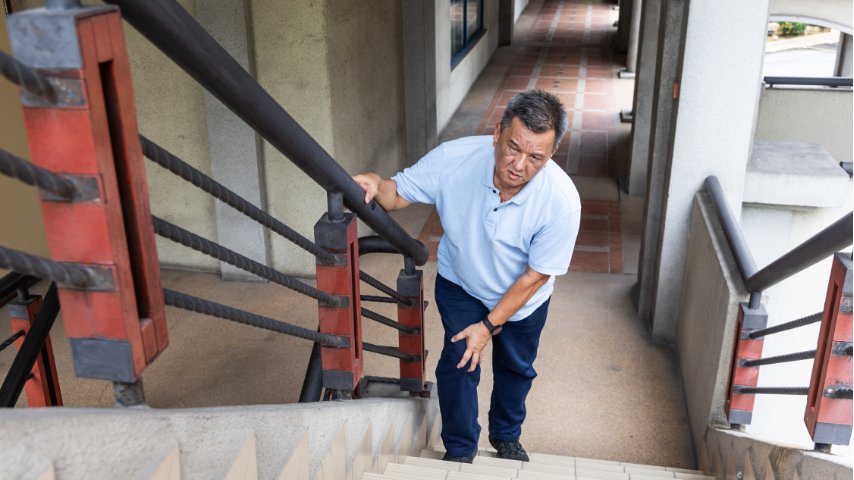
Knee pain while climbing stairs is a common problem that affects people of all ages, especially adults, athletes, and people with joint problems. Many people notice that going upstairs feels harder than walking on flat ground because the knees need to handle more body weight and movement during stair climbing.
The pain may feel sharp, dull, or like pressure around the kneecap. Sometimes it is accompanied by stiffness, swelling, cracking sounds, or weakness in the legs. In some cases, the pain is temporary after overuse, while in others it may be linked to arthritis, cartilage damage, ligament injury, or muscle weakness.
Ignoring knee pain can make the condition worse over time and affect daily mobility. Understanding the cause early helps improve recovery and prevents long-term joint problems.
In this guide, we’ll explain the common causes of knee pain while climbing stairs, symptoms to watch for, treatment options, home remedies, and when medical help becomes necessary.
Let’s begin.
Quick Summary: Best Ways to Manage Knee Pain While Climbing Stairs
- Knee pain while climbing stairs is often caused by joint strain, arthritis, weak muscles, or cartilage problems
- Rest and avoiding excessive stair use help reduce pain
- Ice packs can reduce swelling and inflammation
- Strengthening exercises improve knee support
- Weight management helps reduce pressure on the knees
- Pain relief medicines may provide quick comfort
- Seek medical help if pain becomes severe or affects walking
Why Knee Health Matters
Your knees are among the most important joints in the body. They support body weight, help with walking, bending, standing, sitting, and climbing stairs.
Healthy knees are essential for:
- Smooth daily movement
- Better balance and stability
- Pain-free walking
- Strong leg support
- Exercise and physical activity
- Preventing falls and injuries
When knee pain starts, even simple tasks like using stairs, getting up from a chair, or standing for long periods can become difficult.
That is why understanding knee pain while climbing stairs and treating it early is very important.
Common Causes of Knee Pain While Climbing Stairs
1. Patellofemoral Pain Syndrome
This is one of the most common reasons for knee pain during stair climbing.
It happens when the kneecap does not move smoothly over the joint.
Common Signs
- Pain around the kneecap
- Pain while using stairs
- Pain after sitting for long periods
- Clicking sounds
This is often called “runner’s knee.”
2. Osteoarthritis
Age-related wear and tear of the knee joint can cause pain and stiffness. In advanced cases, bone on bone knee osteoarthritis may develop as cartilage wears away.
The protective cartilage becomes thinner over time.
Warning Signs
- Morning stiffness
- Swelling
- Joint cracking
- Pain that worsens with activity
3. Weak Thigh Muscles
Weak quadriceps muscles reduce knee support and increase joint pressure.
This makes stair climbing more painful.
4. Ligament or Meniscus Injury
Sports injuries, twisting movements, or sudden falls may damage knee ligaments or cartilage.
This can cause pain, swelling, and difficulty climbing stairs.
5. Excess Body Weight
Extra weight puts more pressure on the knees, especially during stair climbing.
This increases pain and joint strain.
6. Tendon Inflammation
Inflammation of the tendons around the knee can cause pain during movement.
This is common in active individuals and athletes.
7. Previous Knee Injury
Old fractures, surgery, or untreated knee injuries may lead to long-term pain and weakness.
7 Effective Ways to Relieve Knee Pain
1. Rest the Knee
Reducing pressure on the joint helps healing.
Best Practice
Avoid repeated stair climbing, jumping, or heavy exercise during pain flare-ups.
Rest supports recovery.
2. Apply Ice Packs
Cold therapy helps reduce swelling and inflammation.
How to Use
Apply an ice pack wrapped in cloth for 15–20 minutes, 3–4 times daily.
Do not place ice directly on the skin.
3. Strengthen Leg Muscles
Strong thigh and hip muscles improve knee support and reduce pressure.
Helpful Exercises
- Straight leg raises
- Wall sits
- Step-ups
- Quadriceps strengthening
- Hamstring stretches
Start gently and avoid painful exercises.
4. Maintain Healthy Weight
Reducing body weight lowers stress on the knee joints.
Even small weight loss can significantly reduce knee pain.
5. Use Supportive Footwear
Good shoes improve posture and reduce knee strain.
Avoid worn-out footwear and high heels for long periods.
6. Improve Stair Technique
Use handrails and take slower steps while climbing stairs.
This reduces sudden pressure on the knees.
7. Use Pain Relief Medicines if Needed
Short-term pain relief medicines may help reduce discomfort and improve movement. Always use medicines carefully. These measures may also provide sudden knee pain osteoarthritis relief in some individuals.
Table: Quick Home Remedies for Knee Pain
| Remedy | How It Helps | Usage Instructions |
|---|---|---|
| Rest | Reduces joint strain | Avoid repeated stair use |
| Ice Pack | Reduces swelling | 15–20 minutes daily |
| Strength Exercises | Improves support | Gentle strengthening |
| Weight Management | Reduces pressure | Healthy diet + exercise |
| Supportive Shoes | Improves posture | Proper footwear daily |
Symptoms of Knee Problems
Recognizing symptoms early helps prevent worsening joint damage.
Common Signs Include
- Pain while climbing stairs
- Pain around the kneecap
- Swelling
- Morning stiffness
- Knee cracking sounds
- Weakness in the knee
- Difficulty standing up
- Pain after long sitting
- Reduced flexibility
- Trouble walking long distances
Persistent symptoms should not be ignored.
When to Seek Medical Help
Some mild pain improves with home care, but certain symptoms require professional treatment.
Consult a doctor if you experience:
- Severe knee pain
- Sudden swelling
- Difficulty walking
- Knee locking
- Knee giving way
- Pain lasting for weeks
- Fever with knee swelling
- Pain after injury or fall
These may indicate ligament injury, arthritis, or cartilage damage needing medical evaluation.
Early diagnosis improves recovery.
Best Medicines for Knee Pain
Treatment depends on the underlying cause.
Commonly Recommended Medicines Include
Paracetamol
Helpful for mild pain relief.
NSAIDs
Medicines like ibuprofen reduce inflammation and swelling.
Topical Pain Relief Gels
Helpful for local pain and stiffness.
Calcium and Vitamin D Supplements
Useful if weakness or bone health issues are present.
Physiotherapy
Often one of the most effective long-term treatments for knee pain. Always consult your doctor before regular medication use.
Conclusion
Knee pain while climbing stairs is common, but it should not be ignored when it affects daily movement or continues for weeks. Whether the cause is weak muscles, arthritis, cartilage damage, or excess strain, early care makes a major difference.
Simple habits like strengthening exercises, weight control, ice therapy, supportive footwear, and better movement techniques can provide strong relief. Many people also explore home remedies for knee osteoarthritis pain before seeking further treatment. For persistent or severe pain, professional medical advice is essential.
Taking care of your knees today helps protect your mobility, independence, and comfort for the future.
Frequently Asked Questions
Why do my knees hurt only when climbing stairs?
This often happens because stair climbing puts more pressure on the knee joint than normal walking.
Can weak muscles cause knee pain while climbing stairs?
Yes, weak thigh muscles reduce support and increase knee strain.
Does walking help knee pain?
Gentle walking may help improve mobility, but too much strain can worsen pain.
When should I worry about knee pain?
If pain is severe, causes swelling, or affects walking, medical attention is important.
Can weight loss reduce knee pain?
Yes, even small weight loss can significantly reduce pressure on the knees.
Is knee cracking normal with pain?
Sometimes yes, but painful cracking with swelling should be medically checked.