Swollen Feet: Causes, Symptoms, Treatment, and Best Ways to Reduce Foot Swelling
Medicine Made Simple
Quick Summary: Best Ways to Manage Swollen Feet
- Swollen feet may happen due to standing too long, poor circulation, injury, pregnancy, or medical conditions
- Elevating the feet helps reduce fluid buildup
- Reducing salt intake may improve swelling
- Drinking enough water supports better circulation
- Comfortable footwear helps reduce pressure on the feet
- Gentle walking improves blood flow and reduces swelling
- Seek medical help if swelling is sudden, painful, or affects only one foot
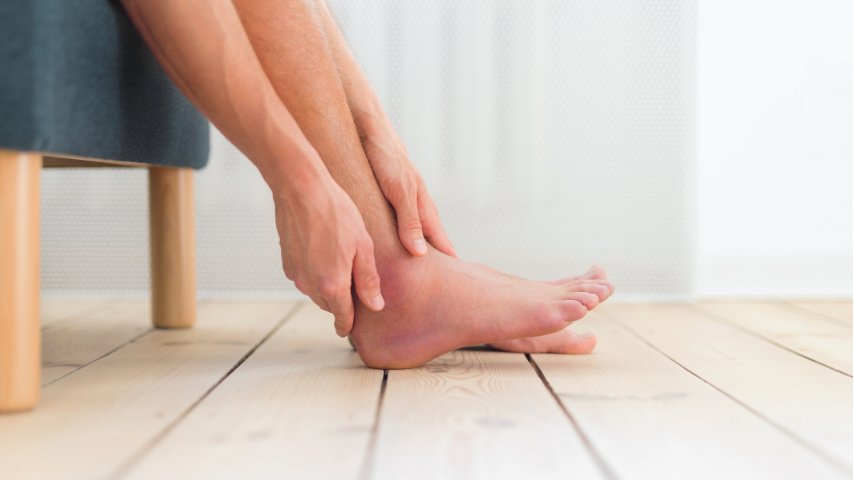
Swollen feet are a common problem that many people experience at some point in life. The swelling may be mild and temporary after standing for long hours, or it may be a sign of an underlying health issue such as poor circulation, kidney disease, heart problems, injury, or pregnancy-related fluid retention.
Many people notice tightness in shoes, heaviness in the feet, skin stretching, or discomfort while walking. Sometimes swelling affects both feet, while in other cases, only one foot becomes swollen, which may need faster medical attention.
Ignoring persistent swelling can delay the diagnosis of serious conditions. Understanding the cause early helps improve treatment and prevents complications, especially when associated with kidney disease swelling symptoms.
In this guide, we’ll explain the common causes of swollen feet, symptoms to watch for, treatment options, home remedies, and when medical help becomes necessary.
Let’s begin.
Synopsis
- Why Foot Circulation Matters
- Common Causes of Swollen Feet
- 7 Effective Ways to Reduce Swollen Feet
- Table: Quick Home Remedies for Swollen Feet
- Symptoms of Swollen Feet Problems
- When to Seek Medical Help
- Best Medicines for Swollen Feet
- Frequently Asked Questions
- Conclusion
Why Foot Circulation Matters
Your feet are farthest from your heart, so good blood circulation is essential to keep them healthy and prevent fluid buildup.
Healthy foot circulation helps with:
- Comfortable walking
- Reduced swelling
- Better balance and mobility
- Healthy skin and tissues
- Faster healing
- Lower risk of pain and infections
When blood flow slows down or fluid gets trapped in the tissues, swelling can begin.
That is why understanding swollen feet and treating the cause early is very important, especially in people experiencing Leg Weakness.
Common Causes of Swollen Feet
1. Standing or Sitting Too Long
Long hours of standing or sitting reduce blood circulation and cause fluid to collect in the feet and ankles.
Common Situations
- Office work
- Long travel
- Standing jobs
- Long flights
This type of swelling usually improves with rest.
2. Pregnancy
Swollen feet are common during pregnancy because the body holds more fluid and the growing baby increases pressure on blood circulation.
Common Signs
- Mild swelling in both feet
- Worse swelling in the evening
- Tight shoes
- Heavy feeling in legs
Sudden severe swelling needs medical attention.
3. Injury
A foot sprain, fracture, or ankle twist may cause swelling, pain, and difficulty walking.
This usually happens suddenly after trauma.
4. Poor Blood Circulation
Conditions like varicose veins or venous insufficiency make it harder for blood to return to the heart.
This causes swelling, heaviness, and discomfort.
5. Kidney Problems
Kidneys help remove extra fluid from the body. Poor kidney function may cause swelling in the feet, ankles, and face.
6. Heart Problems
Heart conditions may lead to fluid retention and swelling in both feet.
This often happens with tiredness and shortness of breath. Understanding heart rate vs pulse rate may also help people monitor overall heart health.
7. High Salt Intake
Too much salt causes the body to retain water, increasing swelling and bloating.
Diet changes can make a big difference.
7 Effective Ways to Reduce Swollen Feet
1. Elevate Your Feet
Keeping your feet raised above heart level helps reduce fluid buildup.
Best Practice
- Rest with pillows under your legs for 15–20 minutes several times daily
This improves circulation quickly.
2. Reduce Salt Intake
Too much sodium increases water retention.
Foods to Limit
- Packaged snacks
- Fast food
- Pickles
- Processed foods
- Salty fried foods
A low-salt diet helps reduce swelling naturally.
3. Stay Hydrated
Many people think less water helps swelling, but proper hydration actually improves fluid balance.
Simple Rule
- Drink enough plain water throughout the day
Hydration supports better kidney function too.
4. Walk and Move Regularly
Movement improves blood circulation and prevents fluid from collecting in the feet.
Helpful Activities
- Walking
- Gentle stretching
- Ankle rotations
- Foot flexing
Avoid sitting too long without movement.
5. Wear Comfortable Footwear
Tight shoes worsen swelling and pain.
Better Choices
- Soft supportive shoes
- Open sandals when appropriate
- Compression socks (if recommended)
Comfort matters.
6. Use Cold Compress
Cold therapy helps reduce swelling caused by injury or inflammation.
- Use ice wrapped in cloth for short periods
7. Treat the Underlying Cause
If swelling is caused by kidney disease, heart problems, pregnancy complications, or poor circulation, medical treatment is necessary.
- Home remedies alone are not enough
Quick Home Remedies for Swollen Feet
| Remedy | How It Helps | Usage Instructions |
|---|---|---|
| Foot Elevation | Reduces fluid buildup | Raise feet daily |
| Low-Salt Diet | Reduces water retention | Avoid excess sodium |
| Hydration | Improves fluid balance | Drink water regularly |
| Walking | Improves circulation | Daily light movement |
| Comfortable Shoes | Reduces pressure | Soft supportive footwear |
Symptoms of Swollen Feet Problems
Recognizing symptoms early helps identify serious causes.
Common Signs Include
- Visible foot swelling
- Tightness in shoes
- Heavy feeling in feet
- Pain while walking
- Skin stretching
- Shiny skin appearance
- Swelling in ankles
- One foot swelling
- Warmth or redness
- Difficulty standing for long periods
Persistent symptoms should not be ignored.
When to Seek Medical Help
Some mild swelling improves with rest, but certain warning signs require urgent medical attention.
Consult a doctor if you experience:
- Sudden severe swelling
- Swelling in only one foot
- Pain with swelling
- Redness and warmth
- Difficulty breathing
- Chest pain
- Swelling during pregnancy with headache
- Fever with swollen feet
- Swelling lasting for weeks
These may indicate blood clots, infection, heart problems, or kidney disease.
Early diagnosis improves treatment success.
Best Medicines for Swollen Feet
Treatment depends on the cause of swelling.
Commonly Recommended Medicines Include
- Diuretics
Used to remove extra fluid in heart, kidney, or liver-related swelling. - Pain Relief Medicines
Helpful when swelling is caused by injury or inflammation. - Anti-inflammatory Medicines
Used for swelling related to joint pain or injury. - Compression Therapy
Compression stockings may help improve circulation. - Pregnancy Monitoring
Doctors guide treatment carefully for pregnancy-related swelling.
Never use medicines without proper medical advice.
Conclusion
Swollen feet may seem like a small issue, but persistent swelling can sometimes be a warning sign of serious health problems. Whether the cause is standing too long, pregnancy, poor circulation, kidney issues, or heart problems, early care makes a big difference.
Simple habits like foot elevation, hydration, better movement, reduced salt intake, and proper footwear can provide major relief. For severe or sudden swelling, medical advice is essential.
Taking care of your feet today helps protect your comfort, mobility, and overall health for the future.
Frequently Asked Questions
1. Why are my feet swollen suddenly?
Sudden swelling may happen due to injury, poor circulation, blood clots, infection, or medical conditions.
2. Can standing too long cause swollen feet?
Yes, long standing commonly causes temporary swelling because fluid collects in the feet.
3. Is swollen feet a sign of kidney problems?
Yes, kidney disease can cause fluid retention and swelling in the feet and ankles.
4. Does walking help swollen feet?
Yes, gentle walking improves blood circulation and helps reduce swelling.
5. When should I worry about swollen feet?
If swelling is painful, sudden, affects one foot, or comes with breathing difficulty, medical care is important.
6. Can salt cause swollen feet?
Yes, too much salt increases water retention and may worsen swelling.