Colorectal Surgery Recovery: What Is Normal in the First 6 Weeks and What Should Worry You?
Medicine Made Simple Summary
Colorectal surgery recovery happens gradually, and the first six weeks are mainly about allowing the bowel and abdominal tissues to heal while rebuilding strength. Mild pain, tiredness, changes in bowel movements, reduced appetite and difficulty doing usual activities can be normal during this period. Recovery is different for every patient and depends on the type of operation and overall health. Regular walking, adequate nutrition, fluids, medicines and proper wound care support healing. Increasing pain, fever, persistent vomiting, wound discharge, heavy bleeding or breathing problems require prompt medical assessment.
Introduction
Having colorectal surgery is a major event for the body, even when the operation is performed using minimally invasive techniques.
Many patients expect to feel better immediately after leaving the hospital. Instead, they may feel tired, have abdominal discomfort, notice changes in their bowel movements and struggle with activities that previously felt easy.
This can create an important question: “Is this normal recovery, or is something going wrong?”
Knowing the difference is important.
The first six weeks are generally a period of gradual healing. Your bowel needs time to adjust, your abdominal tissues need to heal and your strength needs to return. Recovery can take longer after major or complicated surgery, and some patients may need several months to feel completely back to normal. (Gloucestershire Hospitals NHS)
At the same time, certain symptoms should never be ignored.
This guide explains what you may reasonably expect during the first six weeks and which symptoms should prompt you to contact your medical team.
Why Does Colorectal Surgery Take Time to Heal?
The bowel is an active part of your digestive system. During colorectal surgery, a section of the colon or rectum may be removed, repaired or reconnected.
Your body therefore has several things to recover from at the same time.
The surgical wound needs to heal. The bowel needs to regain normal movement. Your appetite may be reduced. Your muscles may become weaker after spending time in hospital. Your body may also be using extra energy to repair tissues.
This is why feeling tired after surgery is common.
Some colorectal surgery guidance explains that complete recovery from major bowel surgery can take two to three months or sometimes longer, even though patients may return to work and normal activities much earlier. (Gloucestershire Hospitals NHS)
The First Week: What Is Usually Normal?
The first week is often the most physically demanding part of recovery.
You may have abdominal discomfort, tiredness and reduced appetite. Short periods of cramping or “gripping” abdominal pain can occur as the bowel starts working again.
Your bowel movements may also be unpredictable.
Some patients become constipated, while others experience loose or frequent stools. The change depends partly on which section of bowel was removed and how your digestive system responds after surgery. (Cambridge University Hospitals)
You may also feel weak when walking around the house.
This does not necessarily mean that you are recovering poorly.
The important thing is that your overall condition should gradually improve rather than steadily deteriorate.
What Should You Expect During Weeks Two and Three?
By the second and third weeks, many patients begin to feel more independent.
You may be able to walk further and perform more basic activities around the home. Your appetite may start improving, although some foods may still cause bloating, loose stools or discomfort.
Your wound may remain slightly uncomfortable.
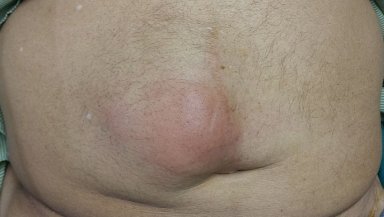
Mild sensations such as itching, tingling or numbness around a healing incision can occur. However, the wound should not progressively become more painful, swollen, red or discharge pus or other fluid. (Chelsea and Westminster Hospital NHS)
Bowel function may still be unsettled during this stage.
Regular meals, adequate fluids and gentle walking can help your recovery. If constipation or diarrhoea continues for several days or becomes troublesome, contact your colorectal team. (UCLH)
What Happens During Weeks Four to Six?
By weeks four to six, many patients are noticeably stronger.
You may be able to walk for longer periods and gradually return to household activities. Some patients return to office-based work during this period, while physically demanding jobs may require more time. Gloucestershire Hospitals notes that many patients return to work within four to six weeks, although heavy manual work may require longer. (Gloucestershire Hospitals NHS)
You may still experience fatigue.
That is not unusual after major surgery.
Your recovery should generally move in the right direction, even if progress is slow.
Bowel Movements May Not Be Normal Yet
One of the most common concerns after colorectal surgery is a change in bowel habits.
You may pass stool more frequently than before surgery. Stools may be softer or looser. Some people experience urgency, while others develop constipation.
These changes are particularly relevant after surgery involving the rectum.
The bowel needs time to adapt to its new anatomy and routine. In some patients, bowel function may continue improving for months rather than weeks. (Cambridge University Hospitals)
Try not to compare your bowel movements with those of another patient.
The operation, location of the bowel resection, diet and individual recovery all influence bowel function.
What Should You Eat During Recovery?
There is no single recovery diet that suits everyone.
Your surgeon or dietitian may recommend specific dietary restrictions depending on your procedure.
In general, regular meals are useful because your body needs energy and protein for healing. If your appetite is poor, smaller meals several times a day may be easier to manage than large meals. (Cambridge University Hospitals)
Protein-rich foods can support tissue repair and help rebuild strength.
Eggs, fish, lean meat, dairy products, tofu and other suitable protein sources can be included according to your dietary preferences and medical needs.
Do not dramatically increase fibre immediately after surgery unless your medical team recommends it, particularly if you are experiencing loose stools or have been given specific dietary instructions.
Why Is Drinking Enough Fluids Important?
Fluids are important during bowel recovery.
Loose stools can cause additional fluid loss, while inadequate drinking can contribute to constipation and dehydration.
Water and other suitable fluids should be taken regularly throughout the day unless your doctor has given you a fluid restriction.
Patients with an ileostomy need particular attention to hydration because the output can contain significant amounts of fluid and electrolytes.
If your stoma output becomes unusually high or watery, contact your stoma-care or colorectal team for advice.
Should You Be Walking After Surgery?
Yes, provided your medical team has allowed you to do so.
Walking is one of the simplest and most useful activities during recovery.
You do not need to walk long distances immediately.
Start with short walks around your home and gradually increase the distance and frequency as your strength improves. Regular movement helps rebuild fitness and reduces the risk of complications associated with prolonged inactivity, including blood clots. (Imperial College Healthcare NHS Trust)
Rest when you are tired, but try not to remain in bed throughout the day.
What About Heavy Lifting and Exercise?
Your abdominal tissues need time to heal.
Walking is generally encouraged early, but heavy lifting and strenuous exercise usually need to wait.
Some colorectal surgery guidance recommends avoiding heavy lifting for approximately six weeks, after which activity can be increased gradually. (Chelsea and Westminster Hospital NHS)
Your exact restriction depends on your operation.
If an activity causes pain or significant discomfort, stop and discuss it with your medical team.
What Pain Is Normal?
Some pain and discomfort are expected after colorectal surgery.
The discomfort should generally become easier to control as the days and weeks pass.
Short episodes of cramping can occur, particularly during the first week.
A more concerning pattern is pain that becomes progressively worse, remains severe despite prescribed medication or continues for hours rather than gradually settling. Severe prolonged abdominal pain can occasionally indicate a complication involving the bowel connection. (Gloucestershire Hospitals NHS)
If severe pain is accompanied by fever, vomiting or feeling generally unwell, contact your medical team urgently.
What Should Your Surgical Wound Look Like?
A healing wound may be slightly uncomfortable, mildly red around the edges and sensitive during the first one or two weeks.
It should gradually improve.
You should contact your healthcare team if the wound becomes increasingly red, swollen, hot or painful, begins to open or starts producing fluid or pus. (UCLH)
Do not apply creams, antiseptics or other products to the wound unless your medical team recommends them.
Follow the wound-care instructions you received at discharge.
When Is Tiredness Normal?
Fatigue can be one of the longest-lasting symptoms after colorectal surgery.
You may sleep normally but still feel exhausted during the day. Simple activities such as showering, preparing food or walking around the house may require more effort.
This happens because your body is recovering from major physical stress.
You may also have lost muscle strength during your hospital stay or experienced blood loss during surgery.
Fatigue should gradually improve as you eat better, sleep adequately and become more active.
If tiredness is getting worse instead of improving, or if it is associated with breathlessness, dizziness, fever, bleeding or unexplained weight loss, speak to your doctor.
What Symptoms Should Worry You?
It is important to understand the difference between expected discomfort and warning signs.
Contact your colorectal team or doctor if you develop persistent nausea or vomiting, increasing abdominal pain, persistent rectal bleeding, worsening diarrhoea, fever or increasing redness and discharge from your wound. (Chelsea and Westminster Hospital NHS)
You should also seek advice if you are unable to eat or drink adequately, are passing very little urine or are becoming increasingly weak.
If you suddenly develop chest pain, significant shortness of breath, coughing up blood or painful swelling and redness in one leg, seek emergency medical attention because these can be symptoms of serious blood-clot complications. (Imperial College Healthcare NHS Trust)
What About a Stoma?
If you have a colostomy or ileostomy, your recovery includes learning to manage the stoma.
Your stoma nurse should explain how to empty and change the pouch, protect the skin and recognize changes that require medical advice.
Stoma output can vary during the first few weeks.
With an ileostomy, particularly high or watery output can increase the risk of dehydration and should be discussed with your healthcare team. (Gloucestershire Hospitals NHS)
If the stoma changes colour significantly, stops functioning unexpectedly or produces unusually high output, seek advice promptly.
When Can You Return to Work?
There is no universal return-to-work date.
Patients with desk-based jobs may return sooner than people who perform physically demanding work.
Some patients can return within four to six weeks, while others require longer because of the type of surgery, complications, fatigue or additional cancer treatment. (Gloucestershire Hospitals NHS)
Returning to work should be based on your recovery rather than pressure to meet a particular deadline.
If you feel exhausted after basic activities, you may need more time.
What About Your Emotional Recovery?
Physical recovery is only part of the process.
After major surgery, you may feel anxious, frustrated or unusually emotional. You may worry about your bowel movements, your appearance, returning to work or the possibility of needing additional treatment.
These feelings can be particularly strong after surgery for cancer.
Do not feel that you have to manage them alone.
Talk to your family, colorectal nurse, surgeon or another healthcare professional if you are struggling emotionally.
When Should You Expect to Feel Normal Again?
Some patients feel substantially better within four to six weeks.
Others need several months.
Chelsea and Westminster Hospital notes that many patients return to normal activities, including sport and exercise, around six to eight weeks after going home, while other colorectal guidance emphasizes that full physical recovery can take two to three months or longer. (Chelsea and Westminster Hospital NHS; Gloucestershire Hospitals NHS)
There is therefore no single “normal” recovery day.
Your progress matters more than the calendar.
Final Thoughts
The first six weeks after colorectal surgery are a period of gradual recovery rather than an instant return to normal life.
Mild pain, tiredness, reduced appetite and changes in bowel movements can be expected. Your bowel may be looser, more frequent or occasionally constipated while it adjusts. Your strength should gradually improve as you eat adequately, drink enough fluids and increase your physical activity.
At the same time, recovery should generally move forward.
Increasing pain, persistent vomiting, fever, wound discharge, significant bleeding, breathing difficulty or other new and worsening symptoms should not simply be considered part of recovery. They may require medical assessment.
The most useful approach is to listen to your body while following your surgical team's instructions.
Do not compare your recovery with another patient's experience. A laparoscopic operation, open bowel resection, rectal surgery and cancer surgery can all have very different recovery patterns.
If you understand what is expected, you are more likely to recognize when something genuinely needs attention.
Call to Action
If you have recently undergone colorectal surgery and are unsure whether your recovery is progressing normally, contact your colorectal surgeon or specialist nurse rather than waiting for your next routine appointment. Seek prompt medical attention for increasing abdominal pain, persistent vomiting, fever, significant bleeding, worsening wound problems, breathing difficulty or other rapidly worsening symptoms. Early assessment can identify complications and allow treatment to begin when it is most effective.
References and Sources
Gloucestershire Hospitals NHS Foundation Trust