Laparoscopic vs Open Hernia Surgery: Which Recovery Is Easier?

Medicine Made Simple Summary
Hernia surgery can be performed through an open approach or using minimally invasive laparoscopic techniques. Both aim to return the hernia contents to their normal position and strengthen the weak area in the abdominal wall. Open surgery uses one larger incision, while laparoscopic surgery uses several smaller cuts and a camera. Laparoscopic surgery may offer a quicker recovery for some patients, with less wound discomfort and smaller scars. However, it is not automatically the better choice for everyone. The right approach depends on the hernia, your health, previous surgeries and your surgeon’s expertise.
What Is Hernia Surgery Trying to Fix?
Before comparing the two approaches, it helps to understand what the operation is actually treating.
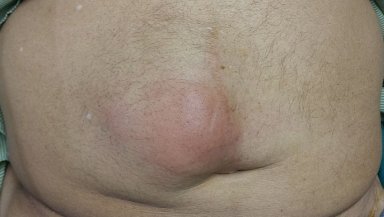
A hernia develops when tissue pushes through a weak area in the abdominal wall. This can create a visible lump and may cause pain, pressure or discomfort.
The purpose of surgery is to move the protruding tissue back into the abdomen and repair the weak area.
The abdominal wall may be strengthened using stitches, mesh or a combination of techniques, depending on the type of hernia and the surgical approach.
There are two broad ways to perform many inguinal hernia repairs.
One is open hernia surgery.
The other is laparoscopic or keyhole hernia surgery.
Both can successfully repair a hernia. The difference is mainly in how the surgeon reaches the hernia.
What Is Open Hernia Surgery?
In open hernia surgery, the surgeon makes one incision, usually in the groin for an inguinal hernia.
The surgeon accesses the hernia through this opening, moves the protruding tissue back into its appropriate position and repairs the weakness in the abdominal wall.
Mesh is commonly used to reinforce the weakened area, although the exact repair depends on the individual case.
Open surgery can be performed using different types of anaesthesia. Depending on the patient and the procedure, local anaesthesia with sedation, spinal anaesthesia or general anaesthesia may be used.
One advantage of open surgery is that the surgeon has direct access to the hernia.
It can be suitable for many different patients and is particularly useful in situations where laparoscopic surgery may not be appropriate.
What Is Laparoscopic Hernia Surgery?
Laparoscopic surgery is often called keyhole surgery.
Instead of making one larger incision, the surgeon makes several small cuts in the lower abdomen.
A small camera is inserted through one of these openings. The camera allows the surgeon to see the area on a monitor.
Special surgical instruments are then inserted through the other small openings.
The hernia is repaired from inside, usually with mesh reinforcing the weak area.
Laparoscopic hernia repair generally requires general anaesthesia.
Because the incisions are smaller, there is usually less disruption to the tissues around the surgical site.
This can contribute to a faster recovery for some patients.
However, laparoscopic surgery is not automatically the right choice for every hernia.
Which One Has the Easier Recovery?
This is the question most patients really want answered.
In general, laparoscopic surgery can offer a shorter recovery for suitable patients.
NIDDK notes that recovery after laparoscopic inguinal hernia surgery may be shorter than after open surgery.
The smaller incisions may mean less wound discomfort and smaller scars.
Some patients are able to return to normal daily activities relatively quickly after laparoscopic repair.
However, recovery is not determined by the surgical technique alone.
Your age, general health, the size and location of the hernia, whether the hernia is recurrent, the type of work you do and how your body heals can all affect recovery.
This is why two patients undergoing the same operation may have very different recovery experiences.
What Is Recovery Like After Open Surgery?
After open surgery, some pain, swelling or bruising around the incision is expected.
The incision is larger than the cuts used for laparoscopic surgery, so the wound itself may take longer to settle.
This does not mean that open surgery is unsafe or that recovery will necessarily be difficult.
Many people recover well and return to their normal activities relatively quickly.
NIDDK reports that many people can return to work and resume daily activities within three to five days after inguinal hernia surgery, although the appropriate timing depends on the individual.
More physically demanding work can require additional recovery time.
Current NHS guidance generally advises avoiding heavy lifting or strenuous activity for around four to six weeks after inguinal hernia repair, although individual surgical teams may provide different instructions.
What Is Recovery Like After Laparoscopic Surgery?
Laparoscopic surgery usually involves smaller wounds.
This can make the early recovery more comfortable for some patients.
There can, however, be some discomfort that is specific to keyhole surgery.
The abdomen is inflated with gas during the operation to create enough space for the surgeon to work. Some patients experience temporary bloating or shoulder discomfort afterwards because of this gas.
These symptoms generally settle as the gas is absorbed.
Patients are usually encouraged to start moving around soon after surgery.
Gentle walking can help with circulation and the gradual return to normal activity.
The exact restrictions on heavy lifting vary between surgical teams. For example, one current NHS hospital guide advises avoiding heavy lifting or strenuous exercise for about two weeks after keyhole surgery and four weeks after open surgery, while emphasising that the surgeon’s advice should determine the individual recovery plan.
Is Laparoscopic Surgery Always Better?
No.
This is an important point.
“Keyhole” sounds more advanced, so patients often assume it must automatically be better.
But surgery is not about choosing the newest-sounding technique.
It is about choosing the technique that is most appropriate for the individual patient.
The type and location of the hernia matter.
Previous abdominal or groin surgery matters.
Whether the hernia has returned after an earlier repair matters.
Your general health and ability to undergo general anaesthesia also matter.
The surgeon’s experience with the technique is important too.
Current NHS guidance recognises that the choice between open and laparoscopic repair depends on factors including the type of hernia, whether it is recurrent or bilateral, the patient's suitability for general anaesthesia and the surgeon's experience with the available techniques.
What About Pain After Surgery?
Both techniques can cause some pain after surgery.
Pain does not mean that the operation has failed.
After open surgery, discomfort may be more concentrated around the incision.
After laparoscopic surgery, patients may have discomfort around the small incisions, along with temporary abdominal bloating or shoulder pain related to the gas used during the procedure.
NIDDK states that pain after inguinal hernia surgery is typically mild and usually improves within about two weeks.
Some patients can experience longer-lasting groin pain or numbness.
This is an uncommon but recognised complication and should be discussed with your surgeon if it persists or affects your daily life.
Which Surgery Leaves Smaller Scars?
Laparoscopic surgery generally leaves several small scars rather than one larger incision.
Open surgery usually leaves a single larger incision near the hernia.
For many patients, the cosmetic difference is noticeable.
However, scars should not be the main factor when choosing the operation.
A technically appropriate repair that gives you the best chance of a good long-term outcome is more important than having the smallest possible scar.
Your surgeon can explain where the incisions will be placed and what the scars are likely to look like.
Which Surgery Lets You Return to Work Faster?
The answer depends heavily on the type of work you do.
Someone working at a desk may return much sooner than someone whose job involves construction, lifting, driving or physical labour.
Laparoscopic surgery may allow a quicker return to normal activity for some patients.
However, you should not use the word “keyhole” as a guarantee that you will be back at work within a particular number of days.
Your recovery should be guided by pain, wound healing and your surgeon’s advice.
If your work involves heavy lifting, you may need more time even if you feel comfortable after a few days.
Returning too quickly to strenuous activity is not a good way to test whether your repair has healed.
What Are the Risks of Both Approaches?
Both open and laparoscopic surgery are generally safe procedures, but neither is completely risk-free.
Possible complications include infection, bleeding, swelling, difficulty passing urine, persistent pain, numbness and recurrence of the hernia.
There can also be rare injuries to nearby structures such as blood vessels, bowel or the bladder.
Laparoscopic surgery also requires general anaesthesia and involves working inside the abdomen.
Open surgery involves a larger incision.
The risks and benefits should therefore be considered together rather than assuming that one technique is universally safer.
What Should You Discuss With Your Surgeon?
The most useful question is not simply, “Which surgery is better?”
Instead, ask, “Which approach is better for my particular hernia?”
Ask why the surgeon recommends open or laparoscopic repair.
Ask whether your hernia is suitable for both approaches.
Ask about the expected recovery time.
Ask when you can return to work, driving, exercise and heavy lifting.
Ask about the possibility of recurrence.
Ask about chronic pain and numbness.
If you have had previous hernia surgery, ask whether that changes the recommended approach.
These questions can help you understand the reasoning behind the recommendation rather than choosing based only on what sounds less invasive.
So, Which Recovery Is Easier?
For many suitable patients, laparoscopic surgery can provide a quicker and more comfortable early recovery because it uses smaller incisions.
But that does not mean open surgery is difficult or inferior.
Open repair remains an established and effective treatment and may be the more appropriate option for certain patients.
The easiest recovery is therefore not necessarily determined by choosing laparoscopic surgery.
It comes from choosing the right operation for the right patient and following the recovery plan carefully.
Your surgeon's experience with the selected technique also matters.
The Key Takeaway
Both open and laparoscopic hernia surgery are established ways to repair a hernia.
Open surgery uses a larger incision to access the hernia directly.
Laparoscopic surgery uses several smaller incisions and a camera.
For suitable patients, laparoscopic repair may offer smaller scars and a faster early recovery. However, it requires general anaesthesia and is not appropriate for every patient or every type of hernia.
Open surgery can be an excellent choice and may be preferred depending on the hernia, previous operations, medical history and surgeon expertise.
The most important question is therefore not, “Which surgery is better?”
It is, “Which surgery is safest and most appropriate for me?”
Conclusion
Choosing between laparoscopic and open hernia surgery can feel confusing.
Both approaches have advantages and limitations.
Laparoscopic surgery may offer smaller incisions and a faster recovery for selected patients. Open surgery provides direct access to the hernia and remains an effective treatment for many patients.
Your recovery will also depend on your overall health, the type of hernia, the nature of your work and how your body heals.
A qualified general surgeon can assess these factors and explain which approach is most suitable for you.
If you have been advised to undergo hernia surgery, do not choose an approach simply because it is described as “keyhole” or “minimally invasive”.
Choose based on your individual condition, the expected benefits and risks and the surgeon's experience.
Suggested Call to Action
Considering hernia surgery but unsure whether open or laparoscopic repair is right for you?
Consult a qualified general surgeon to understand which surgical approach is best suited to your hernia, health and recovery goals.
References and Sources
Guy's and St Thomas' – Recovery After Inguinal Hernia Repair