






No, the surgeon maintains total control over the robotic system. The robot is a highly accurate device that translates the surgeon's hand gestures into precise bodily movements.


Table of Contents 
- Introduction
- Understanding Colorectal Surgery
- Laparoscopic Colorectal Surgery
- Robotic Colorectal Surgery
- Why These Procedures Are Used for Colorectal Cancer
- The Surgical Process at Gleneagles Hospitals
- During the Procedure
- Benefits of the Minimally Invasive Colorectal Surgery
- Why Choose Gleneagles Hospitals?
- Conclusion
Introduction
The technological advancement in surgery has revolutionised the treatment of intestinal disorders, and Laparoscopic/Robotic Colorectal Surgery is now one of the treatment options for colorectal cancer. Such minimally invasive treatments allow surgeons to perform complex procedures through smaller incisions, providing a contemporary alternative to traditional open surgery. The use of highly precise cameras and robotics enables the surgeon to remove cancerous tissues with high precision while preserving surrounding healthy tissue.
The section covers the novel techniques applied in the procedures, the advantages they provide to patients, and the overall quality of care integrated into the Gleneagles Hospitals. An understanding of these advanced surgical methods is critical for optimal treatment outcomes and early restoration of normal function.
Understanding Colorectal Surgery
Colorectal surgery procedure involves the lower digestive tract, including the colon and rectum. If tumours form in any of these areas, surgery is the most effective way to remove the cancer before it spreads to other organs. Previously, these operations involved a large abdominal incision, but today, technology has made it possible to operate in a far less invasive manner.
When the surgeon performs a colorectal resection, they remove the diseased part of the bowel and reconnect the healthy ends. This is called anastomosis, and this restores the continuity of the digestive tract. Minimally invasive surgery achieves these goals with significantly less trauma to the abdominal wall.
Laparoscopic Colorectal Surgery
Laparoscopic surgery, often known as keyhole surgery, has been the gold standard of minimally invasive therapy for several decades.
- The Technique: The surgeon can make multiple small incisions, most of which are less than a centimetre long. A laparoscope is a tiny tube inserted to allow the surgeon to view the inside of the abdomen on a monitor.
- Precision Instruments: These instruments are long and narrow, enabling the surgeon to perform the resection with great precision.
- Benefits: Since the cuts are minimal, patients usually experience less postoperative pain and a lower risk of wound complications than with open surgery.
Robotic Colorectal Surgery
Robotic surgery is a recent development in minimally invasive colorectal treatment. Although the surgeon has complete control over the process, using a robotic system enhances their natural capabilities.
- 3D Visualisation: The robotic platform offers a three-dimensional, high-definition view of the surgical site, making it easier to determine depth than standard laparoscopy.
- Enhanced Dexterity: Robotic tools include wristed joints, which allow them to provide a greater range of motion than the human hand. It is extremely helpful for treating rectal cancer in a confined region like the pelvis.
- Tremor Filtration: The system removes minute hand-movement tremors, making all motions absolutely smooth and accurate.
Your health matters – get expert advice today.
Why These Procedures Are Used for Colorectal Cancer
Laparoscopic and robotic techniques are critical to the treatment of colorectal cancer because they combine tumour excision accuracy with a less invasive approach. The surgeons focus on excising the cancer with a healthy tissue margin while preserving normal intestinal function.
These developed methods have several clinical benefits:
- Improved Recovery: Smaller incisions cause less tissue damage, resulting in reduced discomfort after the procedure.
- Less Recovery Time: Patients typically spend less time in the hospital and resume their daily activities more quickly than with conventional open surgery.
- Proven Record: When performed by skilled surgeons, these procedures have demonstrated oncological results comparable to those of open surgery.
The Surgical Process at Gleneagles Hospitals
Quality surgery demands a thoughtful approach from the first consultation to the last follow-up.
Pre-Surgical Preparation
An extensive assessment is conducted by the care team preceding the procedure. This includes:
- Advanced Imaging: MRI and CT scans assist the surgeon in both identifying the tumour's location and planning the excision.
- Colonoscopy Review: The reports confirm the tumour's location and nature.
- Bowel Preparation: Patients follow specific guidelines to cleanse the bowels, which helps ensure a clean surgical area.
During the Procedure
The operation is performed in a specialised operating room with the current laparoscopic and robotic systems.
- Anaesthesia: The procedure is performed using a general anaesthesia.
- Abdominal Access: Carbon dioxide gas is used to inflate the abdomen, providing a clear view of the organs.
- Resection: In this procedure, the surgeon meticulously excises the malignant area of the colon as well as the surrounding lymph nodes.
- Reconstruction: It entails the reconstruction of the normal areas of the bowel using specialised stapling or suture methods.
Benefits of the Minimally Invasive Colorectal Surgery
The laparoscopic/robotic surgery would possess the following clinical and personal benefits:
- Reduced Blood Loss: Accuracy and increased visibility reduce the blood loss during the procedure.
- Smaller Scars: Smaller scars heal more quickly and are also less noticeable, unlike a big scar.
- Faster Bowel Recovery: The digestive tract typically recovers more quickly after minimally invasive surgery, leading to an earlier return to a normal diet.
- Shorter Hospitalisation: Compared to individuals who undergo open surgery, patients are often discharged a few days earlier.
Not all patients are, however, candidates for minimally invasive surgery. Sometimes, open surgery can remain the safest method.
Why Choose Gleneagles Hospitals?
Gleneagles Hospitals provides a wide range of colorectal surgical procedures in an exceptional setting.
- Expert Pulmonologists and Colorectal Surgeons: The highly trained experts with extensive experience in robots and laparoscopic surgeries.
- State-of-the-Art Technology: The availability of advanced robotic surgery and high-definition imaging.
- Specialised Recovery Suites: Designed for patients to be observed and comforted after surgery.
- Multidisciplinary Care: Oncologists, Dietitians and Specialised nurses.
Conclusion
Robotic and laparoscopic colorectal surgery represent advanced approaches in modern surgical care for colorectal cancer. Minimally invasive techniques prioritise patient safety and comfort while also completely removing diseased tissue. At Gleneagles Hospitals, the highly qualified surgeons work together with cutting-edge technology to provide patients with the efficient path to recovery. With the adoption of these advanced procedures, patients will enjoy reduced scarring, minimal pain, and a quicker recovery.

Dr Shailesh Shrikhande
Director & Head - Surgical Oncology
MS,MD,FRCS (England)-Honorary,FRCS (Edinburgh)-Honorary,FACS-Honorary,FASA-Honorary

Dr Gaurav Singh
Sr Consultant - Surgical Gastroenterologist and Bariatric Surgery
MBBS, MS (Gen Surgery), MCh (Surgical Gastroenterology)
Experience: 16+ Years
General Surgery and Minimal Access Surgery, Surgical Gastroenterology
Bengaluru, Kengeri
Dr Jayanth H
Consultant - Surgical Gastroenterologist & Robotic Surgery
MBBS, MS (Gen Surgery), DrNB (Surgical Gastroenterology), Fellowship (Robotic Surgical Oncology)
Experience: 10+ Years
Surgical Gastroenterology, General Surgery and Minimal Access Surgery
Bengaluru, Kengeri

Explore Our Blogs
View All General Surgery and Minimal Access Surgery
Will I Need a Colostomy or Ileostomy? What Determines Whether a Stoma Is Temporary or Permanent?
 General Surgery and Minimal Access Surgery
Why Do I Need a Colorectal Surgeon? 7 Bowel Problems That May Need Specialist Treatment
 General Surgery and Minimal Access Surgery
What Really Happens During Colorectal Surgery? From Bowel Preparation to Hospital Discharge Explained Simply
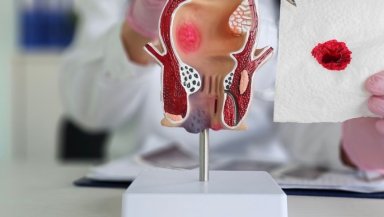 General Surgery and Minimal Access Surgery
Rectal Bleeding, Pain or a Change in Bowel Habits: When Should You See a Colorectal Surgeon?
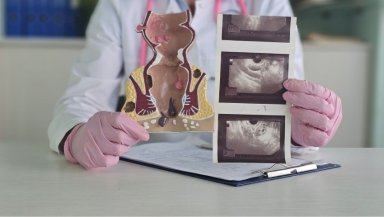 General Surgery and Minimal Access Surgery
Laparoscopic vs Open Colorectal Surgery: Which Approach Means Less Pain and Faster Recovery?
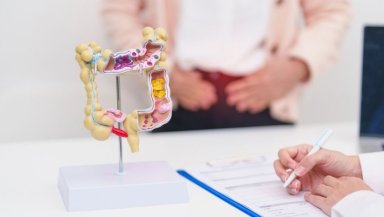 General Surgery and Minimal Access Surgery
How to Choose the Right Colorectal Surgeon: 10 Questions to Ask Before Your Operation
Frequently Asked Questions
Q1. Is robotic surgery performed by a machine?
Q2. Will I need a stoma bag after colorectal surgery?
Most colorectal procedures do not require a permanent stoma. In some cases, a temporary stoma is created to allow the bowel to heal, which is usually reversed in a subsequent minor procedure.
Q3. How long does the surgery take?
The procedure typically takes two to four hours, depending on the case's intricacy and other factors. Robotics is slightly slower due to the time required to set up the equipment.
Q4. Can all colorectal cancers be treated laparoscopically?
Minimally invasive methods can be used in many circumstances. However, the tumour size, location, general health, and surgical history all play a role in the surgeon's choice.
Q5. When can I return to normal activities?
Most patients return to their regular modest activities within two weeks. However, to allow the abdominal wall and internal connections to heal properly, doctors advise avoiding heavy lifting or strenuous exercise for six weeks.
Q6. Is recovery more painful than open surgery?
No, that is not the case. Patients do not have to endure much pain and use a lot of medications throughout their recuperation because the incisions are significantly smaller.

