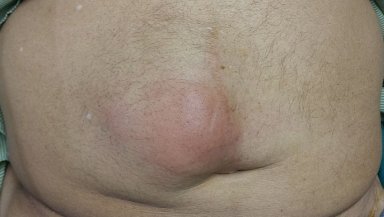
Colorectal Surgery Recovery Isn’t Going as Expected: When Persistent Pain, Bowel Problems or Fatigue Need a Doctor’s Review
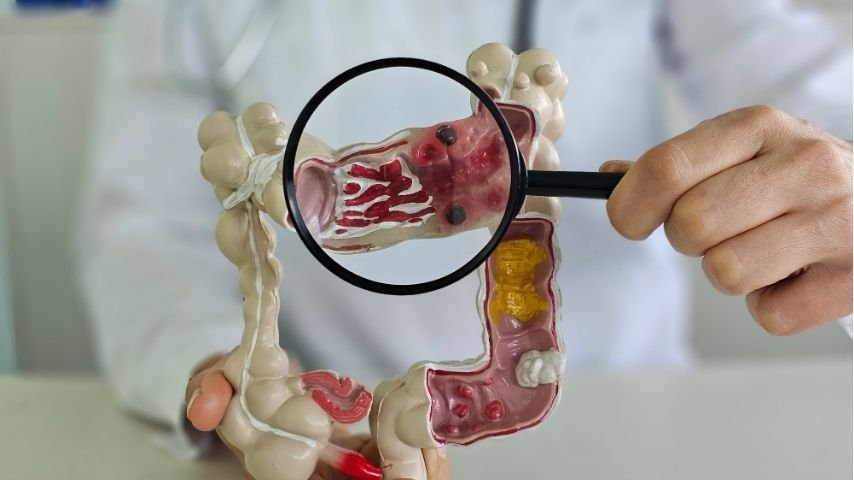
Medicine Made Simple Summary
Recovery after colorectal surgery is gradual, and some pain, tiredness and bowel changes are expected while the body heals. However, symptoms that persist, become worse or appear alongside fever, vomiting, significant bleeding or wound problems should not simply be considered part of recovery. Problems such as infection, dehydration, bowel obstruction or leakage from a bowel connection may require medical treatment. Persistent constipation, diarrhoea, unusual stoma output or worsening fatigue also deserve review when they interfere with recovery. Early medical assessment can identify complications and prevent a manageable problem from becoming more serious.
Introduction
Colorectal surgery can be an important step towards treating a bowel condition, but recovery does not always follow a perfectly smooth path.
Some days may feel better than others. You may wake up feeling stronger and then become tired after a short walk. Your bowel movements may change from day to day. Mild abdominal discomfort can continue even after you leave the hospital.
These experiences do not automatically mean that something has gone wrong.
The difficult part is knowing when a symptom is simply part of healing and when it deserves medical attention.
After colorectal surgery, complications are not common, but they can occur. Recognising warning signs early is important because some problems are much easier to manage when treated promptly. NHS colorectal guidance specifically advises patients to seek medical advice for symptoms such as increasing abdominal pain, fever, vomiting, wound problems and significant changes in bowel function.
This article explains some of the symptoms that can occur during recovery, what may be expected and when you should contact your surgeon or healthcare team.
Recovery Does Not Mean Feeling Normal Immediately
One of the biggest misconceptions about colorectal surgery is that discharge from hospital means you are completely recovered.
It does not.
You may be medically well enough to go home while your bowel, abdominal muscles and other tissues are still healing. Your energy may remain low, your appetite may not have completely returned and your bowel movements may be unpredictable.
Some patients need several weeks to regain normal strength, and full recovery after major colorectal surgery can take two to three months or longer.
Your recovery should therefore be judged by its overall direction.
You do not need to feel better every single day. However, if symptoms are steadily becoming worse rather than gradually improving, it is time to contact your healthcare team.
How Much Pain Is Normal After Colorectal Surgery?
Pain is expected after an operation.
You may experience soreness around the incision, discomfort when moving or coughing and occasional cramping as the bowel begins functioning again.
Short episodes of gripping or cramping abdominal pain can occur during the first week. These usually last for a few minutes and then settle.
The pattern of pain is important.
Pain that is gradually becoming easier to control is generally reassuring. Pain that suddenly becomes severe, lasts for hours or is accompanied by fever, vomiting or feeling generally unwell needs urgent medical assessment.
A rare but serious complication is an anastomotic leak. This can occur when two sections of bowel have been joined together and the connection does not heal properly.
It does not happen to most patients, but because it can be serious, prolonged severe pain should never be ignored.
When Does Abdominal Pain Become a Warning Sign?
Contact your medical team promptly if abdominal pain is becoming progressively worse rather than improving.
You should be particularly concerned if severe pain continues for one or two hours, especially when it occurs with fever, vomiting, abdominal swelling or a general feeling of being unwell.
Sometimes a serious complication can occur without severe pain.
For example, an anastomotic leak may occasionally present with fever and feeling generally unwell rather than obvious abdominal pain.
This is why you should tell your surgeon about significant changes rather than trying to decide on your own whether the symptoms are serious.
What About Changes in Bowel Movements?
Changes in bowel habits are very common after colorectal surgery.
Depending on which part of the bowel was removed, you may experience loose stools, constipation, increased frequency or urgency.
The bowel needs time to adjust to its new anatomy.
Some patients find that certain foods temporarily cause more frequent or looser bowel movements. Others become constipated because they are eating less, drinking less or taking pain medicines.
These changes can improve gradually.
However, persistent bowel problems should be discussed with your healthcare team.
For example, UCLH advises patients to contact their healthcare team if constipation or loose stools continue for more than four days.
The exact timeframe can differ between hospitals and procedures, so follow the instructions given by your own surgical team.
What If You Cannot Pass Stool or Gas?
After bowel surgery, the intestine can temporarily become inactive.
This is called ileus.
It means the bowel has temporarily slowed down or stopped moving normally. Patients may experience bloating, nausea, vomiting and difficulty passing gas or stool.
Ileus often improves with time and supportive treatment.
However, persistent symptoms can sometimes indicate a bowel obstruction or another complication.
If you have increasing abdominal swelling, repeated vomiting or severe abdominal pain, contact your medical team urgently rather than waiting for the symptoms to settle on their own.
Is Constipation After Surgery Serious?
Constipation is common during recovery and is not always dangerous.
Reduced movement, changes in diet, inadequate fluids and certain pain medicines can all contribute to it.
If you are otherwise well, your doctor may recommend increasing fluids, walking regularly, adjusting your diet or using an appropriate laxative.
The problem is when constipation becomes prolonged or occurs together with other symptoms.
Persistent constipation accompanied by severe abdominal pain, vomiting, significant swelling or inability to pass gas needs medical assessment because these symptoms can occur with bowel obstruction.
Do not repeatedly take laxatives without speaking to your doctor if you have significant abdominal pain or vomiting.
What About Persistent Diarrhoea?
Loose stools can occur after part of the bowel has been removed.
The remaining bowel may need time to adapt, particularly when the surgery affects the colon or rectum.
Drinking enough fluid becomes particularly important because repeated loose stools can cause dehydration.
Persistent or worsening diarrhoea, however, should be discussed with your doctor.
This is especially important if you are passing frequent watery stools, feel weak or dizzy, have a fever or are unable to replace the fluid you are losing.
If you have a stoma, unusually high or watery output also deserves prompt attention because dehydration can develop quickly.
When Should You Worry About Your Surgical Wound?
A healing surgical wound can be slightly red, uncomfortable or sensitive during the first one or two weeks.
You may also notice itching, tingling or numbness as the tissues heal.
These sensations can be normal.
The concern is when the wound becomes progressively more red, swollen, painful or warm. Fluid, pus, an unpleasant smell or the wound beginning to open should also be reported.
A wound infection may require treatment, so do not wait for your next routine appointment if the wound is clearly deteriorating.
Is Fatigue Normal After Colorectal Surgery?
Yes.
Fatigue is one of the most common and sometimes most frustrating parts of recovery.
Your body is using energy to repair tissues. You may have lost muscle strength during your hospital stay, eaten less than usual or experienced blood loss during surgery.
It is therefore possible to sleep well and still feel exhausted the next day.
Some colorectal surgery guidance notes that patients may continue feeling tired for several weeks and that full recovery after major surgery can take two to three months or longer.
The important question is whether your energy is gradually improving.
If fatigue is becoming worse, prevents you from performing basic activities or occurs with dizziness, breathlessness, fever, bleeding or unexplained weight loss, contact your doctor.
These symptoms may require investigation for problems such as infection, dehydration or anaemia.
What About Fever?
A fever after surgery should not automatically be ignored.
A mild temperature change can occur during recovery, but a persistent or significant fever can be a sign of infection or another complication.
Fever becomes particularly concerning when it occurs with severe abdominal pain, vomiting, increasing wound redness or feeling generally unwell.
If your hospital has provided a specific temperature threshold or emergency contact number, follow those instructions.
Do not simply take a fever-reducing medicine and wait if you are otherwise becoming increasingly unwell.
What If You Are Vomiting?
Persistent vomiting is not something you should simply accept as part of recovery.
Occasional nausea can occur after surgery or because of medicines.
Repeated vomiting can cause dehydration and may occur when the bowel is temporarily inactive or obstructed.
Contact your healthcare team if vomiting continues or you are unable to keep fluids down.
Urgent assessment is especially important if vomiting occurs with severe abdominal pain, swelling, fever or inability to pass gas or stool.
What If You Have a Stoma?
Patients with an ileostomy or colostomy need to monitor their stoma as part of recovery.
Your stoma nurse should teach you what is normal for your particular stoma.
A sudden change in output can be important.
With an ileostomy, very watery or unusually high-volume output can cause significant fluid and electrolyte loss. Some hospitals specifically advise patients to seek urgent help when there is sustained watery, high-volume stoma output.
You should also contact your stoma team if you are unable to manage the pouch, develop significant skin problems or notice a concerning change in the appearance or function of the stoma.
What About Bleeding?
Small amounts of bleeding may occur after certain colorectal procedures, depending on the type of surgery.
However, persistent or heavy rectal bleeding should be assessed.
Bleeding accompanied by dizziness, weakness, fainting or rapid deterioration requires urgent medical attention.
Your own surgeon should explain what amount of bleeding can be expected after your specific procedure.
If you are uncertain, it is safer to contact the surgical team rather than assume that bleeding is normal.
What About Urinary Problems?
Temporary difficulty fully emptying the bladder can occur after bowel surgery.
Some patients experience this for several days or weeks, depending on the operation and other factors.
However, persistent difficulty passing urine or significant burning while urinating can indicate a urinary problem or infection and should be discussed with your doctor.
Do not ignore an inability to pass urine.
When Is Shortness of Breath an Emergency?
Breathing problems after major surgery require particular attention.
A chest infection can cause cough, phlegm, fever and shortness of breath.
More serious complications such as a blood clot travelling to the lungs can also cause sudden breathing difficulty or chest pain.
If you develop sudden chest pain, significant shortness of breath, coughing up blood or feel acutely unwell, seek emergency medical care rather than waiting for a routine surgical appointment.
Should You Wait Until Your Follow-Up Appointment?
No.
A common mistake is to wait for the scheduled follow-up appointment even when something feels wrong.
Follow-up appointments are designed to assess recovery and discuss results, not to delay treatment of a new complication.
UCLH specifically advises patients with concerns after colorectal surgery to contact their GP or hospital rather than waiting for the planned appointment.
Keep the hospital's colorectal nurse, ward or emergency contact numbers somewhere easily accessible after discharge.
If you are unsure whether a symptom is important, call and ask.
What Can You Do to Support Recovery?
Recovery is not completely passive.
Eating regular meals, drinking enough fluid, taking prescribed medicines correctly and walking regularly can support recovery when these activities are appropriate for you.
Do not push yourself to the point of exhaustion.
Short walks several times a day may be more useful than attempting one long walk and spending the rest of the day exhausted.
Keep track of symptoms that concern you.
If your bowel movements are changing, noting frequency and consistency can help your doctor understand what is happening. If you have a stoma, monitoring output can also be useful.
Final Thoughts
Colorectal surgery recovery is rarely a perfectly straight line.
Some pain, tiredness, reduced appetite and changes in bowel movements can be normal. Your body needs time to heal, and your bowel needs time to adjust.
What matters is the overall pattern.
Symptoms that gradually improve are generally more reassuring than symptoms that steadily worsen.
Persistent or severe abdominal pain, fever, repeated vomiting, worsening wound problems, significant bleeding, prolonged bowel disturbances, very high stoma output or sudden breathing difficulties should not simply be accepted as part of recovery.
Some complications, including anastomotic leaks and bowel obstruction, are uncommon but can be serious. Early assessment can make a significant difference in treatment.
You know your body better than anyone else.
If something feels significantly different from what your surgical team told you to expect, ask for advice.
It is better to make one unnecessary phone call than to ignore a complication because you were worried about overreacting.
Call to Action
If your colorectal surgery recovery is not progressing as expected, speak with your colorectal surgeon, specialist nurse or treating hospital rather than waiting for the next scheduled appointment. Persistent pain, worsening bowel problems, unexplained fatigue, fever, vomiting, wound changes or unusual stoma output deserve professional assessment. If symptoms are severe or you develop sudden breathing difficulty, chest pain, heavy bleeding or feel acutely unwell, seek urgent medical care.
References and Sources
Gloucestershire Hospitals NHS Foundation Trust. Enhanced Recovery Programme for Colorectal Surgery.
Cambridge University Hospitals – Colorectal Enhanced Recovery.