Persistent Breathlessness but Normal Asthma Tests? It Could Be an Airway Blockage

Medicine Made Simple
Many people who experience breathlessness are initially tested for asthma. However, some patients continue to have breathing problems even when asthma tests come back normal. In certain cases, the real cause may be an airway blockage or narrowing in the windpipe or large airways. Conditions such as Tracheal Stenosis, airway tumors, or airway collapse can restrict airflow and create symptoms similar to asthma. Because these conditions affect the airway structure rather than airway inflammation, they require different tests and treatments. Understanding this possibility helps patients seek the right diagnosis and treatment sooner.
When Breathlessness Does Not Have a Clear Explanation
Breathing problems are among the most common reasons people seek medical attention. Shortness of breath can be caused by many conditions affecting the lungs, heart, or airways. Asthma is often one of the first possibilities doctors consider because it is a common cause of breathing difficulty.
Asthma occurs when the small airways inside the lungs become inflamed and narrow temporarily. This narrowing makes it harder for air to move through the lungs and causes symptoms such as wheezing, coughing, and breathlessness.
Because asthma is common, doctors frequently perform tests to confirm whether it is the cause of a patient’s symptoms. These tests often include lung function tests and breathing assessments that measure how air moves in and out of the lungs.
In many patients, these tests confirm asthma and treatment with inhalers improves breathing. However, there are situations in which a patient experiences persistent breathlessness even though asthma tests appear normal.
When this happens, doctors begin to consider other possible causes of breathing difficulty.
Why Asthma Tests Can Be Normal
Asthma tests usually evaluate how well the smaller airways inside the lungs function. These tests measure airflow during breathing and detect whether the airways narrow and respond to medications that relax them.
If these tests are normal, it suggests that the smaller airways are functioning properly.
However, these tests may not always detect problems in the upper airway or the windpipe. Structural issues in these larger airways can restrict airflow even when lung function tests appear normal.
This means a patient may still feel breathless despite having normal asthma test results.
In such cases, doctors may investigate whether a blockage or narrowing exists in the larger airways.
Understanding the Structure of the Airway
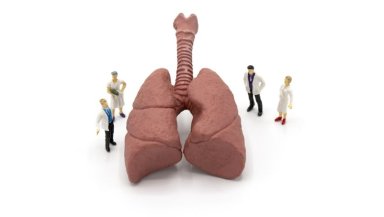
The respiratory system is made up of several interconnected parts that allow air to reach the lungs. Air first enters through the nose or mouth and passes through the throat before reaching the windpipe, also called the trachea.
The trachea is the main airway that carries air into the lungs. It then divides into two large branches called bronchi, which continue to divide into smaller airways inside the lungs.
The trachea and the larger bronchi are sometimes referred to as the central airways. These structures are larger than the airways affected by asthma and play an important role in directing airflow.
If any part of the central airway becomes narrow or blocked, breathing can become difficult even though the lungs themselves may be functioning normally.
Conditions That Can Block or Narrow the Airway
Several conditions can affect the central airway and produce symptoms similar to asthma.
One common condition is tracheal stenosis. This occurs when scar tissue forms inside the windpipe and reduces its diameter. Tracheal stenosis may develop after prolonged intubation in the intensive care unit, where a breathing tube remains inside the airway for several days or weeks.
Tumors inside the airway or pressing on the airway from nearby structures can also cause obstruction. These tumors may be benign or cancerous and can interfere with airflow.
Another possible condition is tracheobronchomalacia, where the airway walls become weak and collapse during breathing. This collapse reduces airflow and creates symptoms of breathlessness.
Foreign objects lodged in the airway, although less common in adults, can also block airflow.
Each of these conditions affects the airway structure rather than the airway lining, which is why standard asthma tests may not detect them.
Symptoms That Suggest a Structural Airway Problem
Patients with airway blockage often experience symptoms that resemble asthma but have some important differences.
Breathlessness is usually the most noticeable symptom. It may become worse during physical activity or when the patient tries to take a deep breath. Recognizing Airway Blockage Symptoms can help prompt timely evaluation.
Some patients develop a high-pitched breathing sound called stridor. This sound occurs when air passes through a narrowed section of the airway and may be heard when inhaling.
Persistent coughing is another common symptom. Patients may also feel a sensation of tightness in the throat rather than deep in the chest.
In some cases, patients notice that asthma medications provide little or no relief.
These clues often prompt doctors to investigate structural problems in the airway.
Why These Conditions Are Sometimes Misdiagnosed
Because asthma is much more common than airway blockage, doctors often consider it first when patients present with breathing symptoms.
In the early stages of airway narrowing, symptoms may appear mild and resemble asthma. Patients may receive inhalers or other medications to treat airway inflammation.
If symptoms persist or worsen despite treatment, doctors begin to explore other possibilities.
The delay in diagnosis often occurs because structural airway problems are relatively rare compared with asthma and require specialized tests for detection.
How Doctors Diagnose Airway Blockage
When doctors suspect a structural airway problem, they perform tests that allow them to visualize the airway directly.
Imaging tests such as a CT scan of the chest provide detailed pictures of the trachea and surrounding structures. These scans can reveal areas where the airway is narrowed or compressed.
One of the most important diagnostic procedures is Bronchoscopy for Airway Narrowing. During bronchoscopy, a thin flexible tube with a camera is inserted through the nose or mouth into the airway.
This allows doctors to see the inside of the windpipe and bronchi in real time. Bronchoscopy helps identify narrowing, tumors, inflammation, or other abnormalities.
The procedure also allows doctors to collect tissue samples or perform treatments when necessary.
Treatment Options for Airway Blockage
Treatment depends on the underlying cause of the airway obstruction.
If scar tissue is causing narrowing of the trachea, doctors may perform bronchoscopic balloon dilatation to stretch the scar tissue and widen the airway.
In some cases, doctors use laser therapy or cryotherapy to remove abnormal tissue inside the airway.
When the airway repeatedly narrows or collapses, doctors may place a stent inside the airway. A stent is a small tube that helps keep the airway open and allows air to pass freely.
If a tumor is causing the blockage, treatment may involve removing the tumor or reducing its size using bronchoscopic techniques.
The goal of these treatments is to restore normal airflow and relieve breathing difficulty.
The Role of Interventional Pulmonology
Treating airway blockages often requires specialized expertise. Interventional pulmonologists are doctors trained in advanced airway procedures performed through bronchoscopy.
These specialists use minimally invasive techniques to diagnose and treat conditions affecting the airway. Procedures such as airway dilation, tumor removal, and stent placement allow doctors to treat complex airway problems without major surgery.
Advances in interventional pulmonology have greatly improved outcomes for patients with airway disorders.
When to Seek Medical Advice
Patients who continue to experience breathlessness despite normal asthma tests should discuss their symptoms with a healthcare provider.
Persistent noisy breathing, throat tightness, or lack of response to asthma medications may indicate a structural airway problem.
Early evaluation by a pulmonologist can help identify the underlying cause and guide appropriate treatment.
Recognizing the possibility of airway blockage ensures that patients receive the correct diagnosis and care.
Conclusion
Breathlessness is often associated with asthma, but not all breathing problems are caused by airway inflammation. In some cases, persistent breathlessness despite normal asthma tests may indicate a blockage or narrowing in the larger airways.
Conditions such as tracheal stenosis, airway tumors, and airway collapse can restrict airflow and produce symptoms similar to asthma.
Because these conditions affect the airway structure rather than the lungs themselves, they require specialized tests such as CT scans and bronchoscopy for diagnosis.
With accurate diagnosis and modern bronchoscopic treatments, doctors can effectively treat airway blockages and restore comfortable breathing.
If you or a loved one experience persistent breathlessness, noisy breathing, or symptoms that do not improve with asthma medications, consult a pulmonologist or airway specialist. Early evaluation can help identify airway blockage and determine the most appropriate treatment to restore normal breathing.
References and Sources
Cleveland Clinic – Airway Disorders