What Is Tracheal Stenosis? The Hidden Airway Condition That Can Cause Breathlessness

Medicine Made Simple
Tracheal stenosis is a condition in which the windpipe, also called the trachea, becomes narrowed. This narrowing can make it difficult for air to move in and out of the lungs, causing symptoms such as breathlessness, noisy breathing, coughing, or a feeling of tightness in the throat. The condition often develops after prolonged intubation in the ICU, infections, injury, or scar tissue formation in the airway. Because the symptoms can resemble asthma, tracheal stenosis may sometimes go unnoticed initially. With proper diagnosis and modern treatments such as bronchoscopy and airway dilation, doctors can successfully restore airflow and improve breathing.
Understanding How the Airway Works
Breathing is a continuous and effortless process that most people rarely think about. Every breath begins when air enters through the nose or mouth and passes through the throat before reaching the windpipe. The windpipe, medically known as the trachea, acts as the main passage that carries air from the upper airway into the lungs.
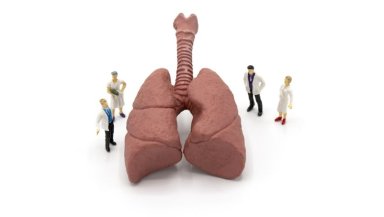
The trachea is a flexible tube supported by C-shaped cartilage rings that help keep the airway open during breathing. These rings maintain the structure of the airway so that air can move freely in both directions. Once air travels through the trachea, it enters two main branches called bronchi that lead into the lungs, where oxygen exchange occurs.
When the trachea remains open and healthy, breathing occurs smoothly and without effort. However, if the trachea becomes narrow, airflow is restricted and breathing becomes more difficult. This narrowing of the windpipe is known as tracheal stenosis.
What Tracheal Stenosis Means
The word stenosis simply means narrowing. Tracheal stenosis refers specifically to narrowing of the trachea. When the diameter of the windpipe decreases, the amount of air that can pass through it is reduced.
Even a small narrowing can significantly affect breathing. This happens because airflow resistance increases sharply when the airway becomes narrower. As a result, the body must work harder to move air in and out of the lungs.
Patients with tracheal stenosis may experience symptoms that gradually worsen over time as the airway becomes tighter.
Why Tracheal Stenosis Is Sometimes Called a Hidden Condition
Tracheal stenosis is often described as a hidden condition because it may not be immediately recognized. Many of the symptoms resemble more common respiratory problems such as asthma or bronchitis.
Patients who develop breathlessness may initially receive inhalers or medications used to treat asthma. If the symptoms improve temporarily or fluctuate, the true cause of the problem may remain undetected for some time.
In many cases, post intubation tracheal stenosis develops gradually, and symptoms may appear weeks or months after the original injury or illness that caused the narrowing. This delay can make the connection between the cause and the symptoms less obvious.
Because of these factors, some patients go through several medical visits before the condition is correctly diagnosed.
Common Causes of Tracheal Stenosis
Several factors can lead to narrowing of the trachea. One of the most common causes is prolonged intubation in the intensive care unit. When patients require ventilator support, a breathing tube is inserted into the airway to assist breathing.
Although intubation is often life-saving, the tube can sometimes place pressure on the inner lining of the airway. During the healing process, scar tissue may develop in the affected area. This scar tissue can gradually reduce the size of the airway.
Another possible cause is tracheostomy, a surgical procedure in which a small opening is created in the neck to place a breathing tube directly into the trachea. While this procedure can also be lifesaving, it may occasionally lead to scar formation and airway narrowing.
Infections affecting the airway, particularly certain chronic infections, may cause inflammation and scarring that result in stenosis.
Trauma to the neck or airway, previous airway surgery, and certain autoimmune or inflammatory conditions can also contribute to narrowing of the trachea.
In some cases, tumors inside or around the airway may compress the trachea and reduce its diameter.
Symptoms of Tracheal Stenosis
The symptoms of tracheal stenosis usually develop gradually. Breathlessness is one of the most common signs. Patients often notice difficulty breathing during physical activity such as walking quickly or climbing stairs.
Another characteristic symptom is noisy breathing. A high-pitched sound known as stridor may occur when air passes through the narrowed airway. This sound may be noticeable when inhaling and may sometimes be heard without a stethoscope.
Persistent coughing is also common. Some patients describe a sensation of tightness in the throat or upper chest.
Because these symptoms resemble asthma or other respiratory conditions, they may initially be treated as such until further evaluation reveals the true cause.
When Symptoms Should Be Evaluated
Any breathing difficulty that continues despite treatment should be evaluated carefully. Patients who develop new breathing symptoms after an ICU stay, surgery, or airway injury should pay particular attention to these changes.
Symptoms such as persistent breathlessness, noisy breathing, or unexplained coughing should prompt medical evaluation.
Early diagnosis allows doctors to treat the condition before the airway becomes severely narrowed.
How Doctors Diagnose Tracheal Stenosis
Diagnosing tracheal stenosis usually begins with a detailed medical history and physical examination. Doctors ask about previous ICU admissions, ventilator support, surgeries, infections, or trauma that may have affected the airway.
Imaging tests such as a CT scan of the chest help visualize the airway and identify areas of narrowing.
One of the most important diagnostic tools is bronchoscopy. During bronchoscopy, a thin flexible tube with a camera is inserted through the mouth or nose into the airway. This allows doctors to directly observe the inside of the trachea and identify the location and severity of the narrowing.
Bronchoscopy also allows doctors to collect tissue samples or perform treatments during the same procedure if necessary.
Treatment Options for Tracheal Stenosis
The treatment approach for tracheal stenosis depends on the severity and cause of the narrowing.
Mild cases may be monitored if symptoms are minimal. However, when breathing difficulty becomes significant, medical intervention is required to restore airflow.
One common treatment is balloon dilatation for tracheal stenosis. In this procedure, a small balloon is placed in the narrowed section of the airway and gently inflated to widen the passage. This is referred to as the tracheal balloon dilatation procedure.
Other bronchoscopic treatments may include laser therapy or cryotherapy to remove excess scar tissue inside the airway.
In certain cases, doctors may place an airway stent. A stent is a small tube that helps keep the airway open.
For severe or long segments of narrowing, surgery may be recommended. Surgical treatment usually involves removing the scarred portion of the trachea and reconnecting the healthy ends.
The best treatment approach is determined after careful evaluation by airway specialists.
Living With and Recovering From Tracheal Stenosis
Receiving a diagnosis of tracheal stenosis can be concerning, but modern medical treatments have significantly improved the outlook for patients with this condition.
Minimally invasive procedures performed through bronchoscopy can often restore airflow and relieve symptoms without major surgery.
Patients who undergo treatment frequently experience improvement in breathing and are able to return to normal activities.
Regular follow-up care is important to ensure that the airway remains open and that symptoms do not return.
The Importance of Awareness
As more people survive serious illnesses and ICU stays, awareness of conditions such as tracheal stenosis has become increasingly important. Many patients who recover from critical illness may develop breathing symptoms weeks or months later.
Recognizing the possibility of airway narrowing allows patients and healthcare providers to investigate symptoms early and initiate appropriate treatment.
Early diagnosis and modern airway therapies can make a significant difference in restoring comfortable breathing.
Conclusion
Tracheal stenosis is a condition in which the windpipe becomes narrowed, restricting airflow to the lungs. The condition often develops due to scar tissue formation after intubation, infection, trauma, or other airway injuries.
Because the symptoms can resemble asthma or other respiratory conditions, tracheal stenosis may sometimes be overlooked. Persistent breathlessness, noisy breathing, and coughing should always be evaluated carefully.
With accurate diagnosis and modern treatments such as bronchoscopy, balloon dilatation, and airway stenting, doctors can effectively manage this condition and help patients regain comfortable breathing.
Call to Action
If you or a family member are experiencing unexplained breathlessness, persistent noisy breathing, or symptoms that do not improve with routine asthma treatment, consult a pulmonologist or airway specialist. Early evaluation can identify tracheal stenosis and help determine the most effective treatment to restore normal breathing.