The Lung Transplant Waiting List: How Long Do Patients Wait and What Determines Priority?

Medicine Made Simple
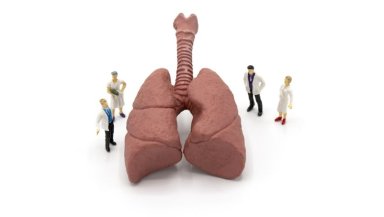
A lung transplant is a surgery in which doctors replace one or both diseased lungs with healthy lungs from a donor. Because donor lungs are limited, patients who qualify for a transplant are placed on a waiting list until a suitable organ becomes available. The waiting list is carefully managed by transplant organizations and medical teams to ensure organs are allocated fairly and to patients who need them most. Doctors consider factors such as the severity of lung disease, blood type compatibility, body size, and overall health when deciding which patient receives the next available donor lung.
Understanding the Lung Transplant Waiting List
For patients with severe lung disease, a lung transplant can offer the possibility of breathing easier and living longer. But unlike most medical treatments, lung transplantation depends on the availability of a donor organ.
Once a patient completes the transplant evaluation and is approved for surgery, their name is added to a transplant waiting list. This list is maintained by national or regional transplant authorities and transplant hospitals.
Being placed on the waiting list means the patient is medically eligible to receive a donor lung. However, it does not mean the surgery will happen immediately. Patients must wait until a suitable donor lung becomes available.
The waiting period can vary greatly from one patient to another. Some people may receive a transplant within weeks, while others may wait months or even longer.
Understanding how the waiting list works can help patients and families prepare for this stage of the transplant journey.
Suggested Image: Illustration showing the organ transplant waiting list process.
Why Patients Must Wait for a Donor Lung
Lung transplantation depends on organs donated by individuals who have chosen to donate after death. These donor lungs are carefully evaluated before they can be used for transplant.
Not every donated lung is suitable. Doctors examine the lungs to ensure they are healthy and free from infection, severe injury, or disease.
Even when a lung is healthy, it must also match the patient receiving the transplant. The donor lung must be compatible in terms of blood type and size. A lung that is too large or too small may not function properly in the recipient.
Because suitable donor lungs are limited and the number of patients needing transplants is higher, waiting lists help manage organ distribution in a fair and medically responsible way.
What Determines Priority on the Waiting List
Many people assume that transplant waiting lists work on a simple first-come, first-served basis. In reality, organ allocation is based on medical priority rather than time alone.
Doctors consider several factors when deciding which patient should receive the next available lung.
One of the most important factors is the severity of the patient’s illness. Patients whose lung disease is rapidly worsening or who are at greater risk of death without a transplant may receive higher priority.
Another factor is the likelihood that the transplant will be successful. Doctors aim to allocate donor organs to patients who have a good chance of recovery and long-term survival.
Compatibility also plays a major role. Blood type must match between donor and recipient, and the donor lung must be the right size for the patient’s body.
All these factors together determine which patient is selected when a donor lung becomes available.
Suggested Image: Diagram showing key factors influencing transplant priority.
Understanding the Lung Allocation Score
In many countries, transplant teams use a system called the Lung Allocation Score, or LAS.
This scoring system helps determine which patients should receive priority for donor lungs. The score is calculated using medical information such as lung function, oxygen levels, age, body measurements, and other health factors.
The score estimates two important things. First, how likely a patient is to survive without a transplant. Second, how much the patient is expected to benefit from the transplant.
Patients with higher scores are considered more urgent and may receive donor lungs sooner.
The goal of this system is to ensure that organs are given to patients who need them most while also improving overall transplant success rates.
What Happens While Waiting for a Transplant
Waiting for a transplant can be emotionally difficult for patients and their families. The waiting period may bring feelings of uncertainty, anxiety, and hope.
During this time, the transplant team continues to monitor the patient’s health closely. Regular appointments and tests help doctors track the progression of the disease and watch for any lung transplant warning signs.
Patients are encouraged to stay as healthy as possible while waiting. This may include following a balanced diet, participating in pulmonary rehabilitation programs, and maintaining physical activity within safe limits.
Avoiding infections is also extremely important because severe illness could temporarily make a patient unsuitable for transplant surgery.
Patients must also remain reachable at all times because a donor lung can become available at any moment.
Suggested Image: Illustration showing patient monitoring during transplant wait.
When a Donor Lung Becomes Available
When a suitable donor lung is identified, the transplant team reviews compatibility and medical details quickly.
If the donor lung matches a patient on the waiting list, the transplant center contacts the patient immediately. Patients are asked to travel to the hospital as soon as possible.
Time is critical because donor lungs must be transplanted within a limited window after removal from the donor.
Once the patient arrives at the hospital, doctors perform final tests to confirm that the patient is healthy enough for surgery. These checks ensure there are no infections or medical issues that could complicate the lung transplant procedure.
If everything is suitable, the transplant surgery begins.
Suggested Image: Diagram showing donor organ transport to transplant hospital.
How Long Do Patients Usually Wait?
Waiting times for lung transplants vary widely depending on location, donor availability, and patient compatibility.
Some patients may receive a transplant quickly because their blood type and body size match a donor organ easily. Others may wait longer if compatible donor lungs are rare.
In general, patients with more severe disease and higher Lung Allocation Scores may receive organs sooner.
However, predicting an exact waiting time is difficult because it depends on when suitable donor lungs become available.
Emotional Support During the Waiting Period
The waiting period can be one of the most challenging parts of the transplant journey.
Patients may experience emotional stress while waiting for the call that a donor lung is available.
The lung transplant center often provides psychological counseling and support groups to help patients cope with this uncertainty.
Family support also plays a crucial role. Having loved ones who provide encouragement and practical help can make the waiting process easier to manage.
Why Organ Donation Is Important
One important fact to remember is that lung transplantation is only possible because of organ donation.
Each donor has the potential to save multiple lives. Increasing awareness about organ donation can help reduce waiting times for transplant patients.
Encouraging people to register as organ donors helps ensure that more patients receive the life-saving treatment they need.
Conclusion
If you or a loved one has been advised to consider lung transplantation, understanding how the waiting list works can help you prepare for the journey ahead. Consulting with an experienced transplant team can provide guidance on evaluation, waiting list placement, and steps you can take to stay healthy while waiting for a suitable donor lung.
References and Sources
National Heart Lung and Blood Institute