Do You Really Need a Lung Transplant? 7 Warning Signs Your Lung Disease May Be Advanced
Medicine Made Simple
A lung transplant is a surgery where one or both diseased lungs are replaced with healthy lungs from a donor. It is usually recommended when severe lung disease has damaged the lungs so much that medicines, oxygen therapy, and other treatments no longer help enough. The goal of the transplant is to help patients breathe better and live longer. Doctors carefully evaluate patients before recommending the procedure. This includes tests, scans, and overall health assessment. Lung transplants are often considered for various diseases requiring lung transplant such as pulmonary fibrosis, COPD, cystic fibrosis, and severe pulmonary hypertension.
Breathing Challenges in Advanced Lung Disease
Breathing is something most of us rarely think about. It happens automatically, every second of the day. But for people living with serious lung diseases, breathing can become difficult and exhausting.
In advanced stages of lung disease, even simple activities like walking, climbing stairs, or talking can feel overwhelming. When medications and other treatments stop working well enough, doctors may start discussing the possibility of a lung transplant.
Many patients and families wonder when that point comes. How do doctors know the lungs are failing? What signs indicate that the disease has progressed too far?
Understanding these warning signs can help patients seek timely medical advice and prepare for possible treatment options.
Understanding Advanced Lung Disease
The lungs are responsible for supplying oxygen to the body and removing carbon dioxide. When lung disease damages the airways or lung tissue, the body struggles to get enough oxygen.
Over time, the damage can worsen. The lungs become stiff, scarred, or blocked with mucus. Oxygen levels drop. Breathing becomes more difficult.
At first, medicines, inhalers, pulmonary rehabilitation, and oxygen therapy can control symptoms. But in some cases, these treatments stop working effectively.
This is when doctors may begin evaluating whether a lung transplant could help improve survival and quality of life.
It is important to understand that not every patient with lung disease needs a transplant. Doctors carefully look at symptoms, disease progression, and overall health before recommending it.
Certain warning signs often indicate that lung disease has reached an advanced stage.
1. Severe Breathlessness During Simple Activities
One of the earliest warning signs of advanced lung disease is extreme breathlessness.
At first, patients may feel short of breath during exercise or physical activity. Over time, this breathlessness may happen even during simple tasks like walking across a room, getting dressed, or eating.
In very advanced cases, people may feel breathless even while resting.
When breathing becomes this difficult despite treatment, doctors may consider evaluating the patient for transplant.
Suggested Image: Diagram showing healthy lungs vs severely damaged lungs.
2. Frequent Hospital Visits for Lung Problems
People with advanced lung disease often experience repeated flare-ups.
These episodes may include severe breathlessness, infections, or sudden worsening of symptoms. Many patients require frequent hospital admissions or emergency treatment.
If hospital visits become more common despite proper medication, it may signal that the lungs are no longer responding well to standard treatments.
Doctors monitor this pattern closely when assessing whether a transplant might be needed.
3. Oxygen Levels Are Consistently Low
Healthy lungs maintain stable oxygen levels in the blood.
When lungs are severely damaged, oxygen levels may remain low even with oxygen therapy.
Patients may need oxygen support for many hours a day. Some may require oxygen continuously.
Persistently low oxygen levels can affect the heart, brain, and other organs. In such cases, doctors may begin discussing advanced treatment options such as transplantation.
Suggested Image: Illustration showing oxygen exchange in healthy vs diseased lungs.
4. Rapid Worsening of Lung Function
Doctors use pulmonary function tests to measure how well the lungs are working.
These tests evaluate how much air the lungs can hold and how efficiently oxygen moves into the blood.
If these test results show rapid decline over months or years, it may indicate that the disease is progressing quickly.
Certain diseases such as pulmonary fibrosis are known to worsen faster in some patients. Monitoring lung function helps doctors decide when transplant evaluation should begin.
5. Severe Fatigue and Reduced Ability to Function
When lungs cannot deliver enough oxygen, the body struggles to produce energy.
Patients may feel constant fatigue. Activities that were once easy may become difficult or impossible.
Some people may stop working or participating in daily activities because they feel too exhausted.
This decline in quality of life is an important factor doctors consider when evaluating transplant eligibility.
6. Complications Affecting the Heart or Other Organs
Advanced lung disease can put strain on the heart.
When oxygen levels remain low for long periods, the heart has to work harder to pump blood through the lungs. Over time, this can lead to a condition called pulmonary hypertension.
Fluid buildup in the body, swelling in the legs, and heart complications may occur. When lung disease begins affecting other organs, doctors may recommend early transplant evaluation, keeping in mind the specific lung transplant risks associated with the surgery.
Suggested Image: Diagram showing relationship between lungs and heart circulation.
7. Medications and Treatments Are No Longer Effective
Many lung diseases can be managed for years with medications, inhalers, oxygen therapy, and pulmonary rehabilitation.
However, in advanced stages, these treatments may stop providing relief.
Patients may notice worsening symptoms despite following treatment carefully.
When doctors feel that all available treatments have been tried and the disease continues to progress, they may start discussing lung transplantation.
This does not mean surgery will happen immediately. It simply means the patient may need evaluation at a transplant center.
What Happens When Doctors Suspect a Lung Transplant May Be Needed
If doctors believe a transplant might be beneficial, the patient is referred to a specialized transplant center.
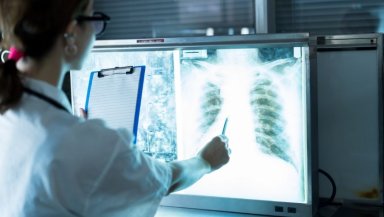
At the transplant center, a detailed evaluation takes place. This process usually includes blood tests, imaging scans, lung function tests, heart evaluations, and overall health assessment.
Doctors also check whether the patient can safely undergo major surgery and follow long-term treatment after transplant.
The evaluation helps determine whether the patient should be placed on the lung transplant waiting list.
It is important to understand that timing matters. Patients who are referred too late may become too sick for surgery.
That is why recognizing warning signs early is important.
Living with Advanced Lung Disease
Hearing the words “lung transplant” can feel overwhelming.
However, for many patients, transplantation offers a chance for longer survival and improved breathing.
Advances in surgical techniques and post-transplant care have improved outcomes significantly over the years.
Many patients return to active lives after recovery.
The key is early evaluation, careful monitoring, and guidance from experienced lung specialists.
If symptoms are worsening despite treatment, discussing transplant evaluation with a doctor can be an important step.
When Should You Talk to Your Doctor?
Patients should consider speaking to their doctor if they notice increasing breathlessness, repeated hospital visits, or declining ability to perform daily activities.
Early discussions do not mean immediate surgery. Instead, they allow doctors to monitor the disease closely and plan the best treatment approach.
Lung transplantation is a complex but life-saving option for selected patients with advanced lung disease.
Understanding the warning signs can help patients and families make informed decisions about their care.
Conclusion
If you or a loved one is living with severe lung disease and experiencing worsening symptoms, it may be time to seek expert medical advice. A specialized transplant evaluation can help determine whether advanced treatments such as lung transplantation may improve quality of life and long-term survival. Consult a qualified pulmonologist or transplant specialist to understand the best treatment options for your condition.
References and Sources
National Heart, Lung, and Blood Institute