What Happens During Bronchoscopic Tracheal Balloon Dilatation? A Step-by-Step Patient Guide
Medicine Made Simple
Bronchoscopic tracheal balloon dilatation is a minimally invasive procedure used to treat airway narrowing in the windpipe, a condition known as tracheal stenosis. During the procedure, doctors insert a thin camera called a bronchoscope into the airway and guide a small balloon to the narrowed section of the trachea. The balloon is then gently inflated to widen the airway and improve airflow to the lungs. This treatment helps relieve breathing difficulty without the need for major surgery. Understanding what happens before, during, and after the procedure helps patients and families feel prepared and confident about the treatment process.
Understanding Why This Procedure Is Needed
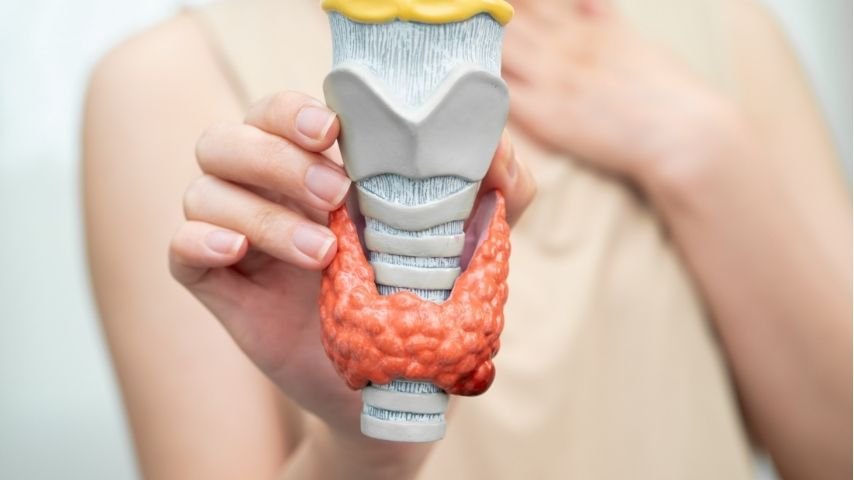
Breathing depends on a clear and open airway that allows air to travel freely from the nose and throat into the lungs. The trachea, commonly known as the windpipe, plays a crucial role in this process because it acts as the main passage that carries air into the lungs. The trachea is normally supported by strong rings of cartilage that maintain its structure and prevent it from collapsing during breathing.
In some situations, however, the inner lining of the trachea becomes damaged and heals with scar tissue. Scar tissue is thicker and less flexible than normal airway tissue, and when it forms inside the trachea it can gradually reduce the size of the airway. This narrowing of the windpipe is called tracheal stenosis. Even a small reduction in the airway diameter can significantly affect breathing because airflow resistance increases rapidly when the airway becomes narrow.
Tracheal stenosis may develop for several reasons. One of the most common causes is prolonged intubation, where a breathing tube is placed in the airway during an intensive care unit stay to support breathing. Other causes include infections, previous airway surgery, trauma to the neck, inflammatory conditions, or tumors affecting the airway.
When the airway becomes narrow, patients often experience symptoms such as breathlessness, noisy breathing, persistent coughing, or a feeling of tightness in the throat or upper chest. In many cases, these symptoms gradually worsen over time. Bronchoscopic tracheal balloon dilatation is one of the treatments used to restore airflow by widening the narrowed airway.
What Bronchoscopy Means
Bronchoscopy is a medical procedure that allows doctors to examine the inside of the airways. During this procedure, a thin flexible tube with a small camera and light at the tip is inserted through the nose or mouth and guided into the lungs. This instrument, called a bronchoscope, transmits images to a monitor so that doctors can clearly see the trachea and bronchi.
Bronchoscopy is commonly used not only for diagnosis but also for treatment. Through the bronchoscope, doctors can remove mucus plugs, collect tissue samples for testing, control bleeding, treat infections, and perform procedures such as airway dilation. Balloon dilatation for tracheal stenosis is one of the treatments that can be performed during bronchoscopy to treat airway narrowing.
Preparing for Bronchoscopic Balloon Dilatation
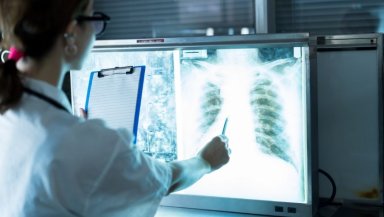
Before the procedure takes place, doctors perform a detailed evaluation to understand the patient’s condition and determine whether tracheal balloon dilatation procedure is appropriate. This evaluation usually includes imaging tests such as a CT scan of the chest, which helps identify the exact location and severity of the airway narrowing. Pulmonary function tests may also be performed to assess how well the lungs are working and to measure airflow limitation.
Doctors review the patient’s medical history, current medications, and any previous procedures involving the airway. Patients are generally asked to avoid eating or drinking for several hours before the procedure to reduce the risk of aspiration during sedation. Blood tests may also be performed to ensure there are no problems with clotting or infection.
The procedure is typically carried out in a specialized bronchoscopy suite or operating room where trained staff and monitoring equipment are available. Patients receive sedation or general anesthesia so that they remain comfortable throughout the treatment.
Step-by-Step Explanation of the Procedure
Once the patient is comfortably sedated, the bronchoscope is gently inserted through the mouth or nose and advanced into the airway. The camera at the tip of the bronchoscope provides a clear view of the trachea, allowing the doctor to locate the narrowed section of the airway.
After identifying the stenotic segment, the doctor introduces a thin catheter that carries a deflated balloon at its tip. This catheter is carefully passed through the bronchoscope until the balloon reaches the narrowed part of the trachea. The positioning of the balloon is extremely important because it must sit precisely within the area of narrowing to achieve the best result.
When the balloon is in place, it is slowly inflated using a controlled pressure device. As the balloon expands, it gently stretches the scar tissue that is causing the airway narrowing. This process increases the diameter of the airway and improves airflow through the trachea.
The balloon remains inflated for a short period, usually a few seconds to a minute, depending on the clinical situation. After that, the balloon is deflated and removed. In many cases, the doctor repeats the inflation process several times during the same procedure to gradually widen the airway and achieve a stable opening. In some situations, doctors may consider balloon dilatation vs airway stenting to determine the most effective treatment.
Throughout the procedure, the medical team closely monitors the patient’s breathing, oxygen levels, heart rate, and blood pressure to ensure safety.
How Long the Procedure Takes
Bronchoscopic balloon dilatation is generally a relatively quick procedure compared with major airway surgery. The bronchoscopy itself may take approximately twenty to thirty minutes, although the total time spent in the procedure room may be longer because of preparation, anesthesia administration, and recovery monitoring.
Most patients are observed for a few hours after the procedure to ensure that breathing remains stable and that no complications occur.
What Patients Usually Experience After the Procedure
One of the most encouraging aspects of bronchoscopic balloon dilatation is that many patients notice improvement in breathing soon after the procedure. Activities that previously caused breathlessness, such as walking or climbing stairs, often become easier. The tracheal balloon dilatation recovery period is usually straightforward with mild activity restrictions.
Some patients may experience mild throat irritation, coughing, or a temporary hoarse voice after bronchoscopy. These symptoms usually resolve within a short period. Because sedation is used during the procedure, patients may feel drowsy for a few hours and are generally advised to rest for the remainder of the day.
Doctors usually provide instructions about when normal eating and drinking can resume and when regular activities can be restarted.
Possible Risks and Safety Considerations
Bronchoscopic balloon dilatation is considered a safe and minimally invasive treatment when performed by experienced specialists. However, like any medical procedure, it carries some potential risks.
Minor bleeding may occur because the balloon stretches the airway tissue. In most cases, this bleeding is minimal and stops quickly. Temporary swelling of the airway may also occur, although this is usually manageable with medication.
Very rarely, complications such as infection or injury to the airway wall can occur. Careful monitoring during and after the procedure helps reduce these risks.
Because the procedure is performed under controlled conditions with specialized equipment, serious complications are uncommon.
Is One Procedure Enough
Many patients wonder whether one balloon dilatation procedure will permanently solve the problem. The answer depends on several factors, including the cause and severity of the airway narrowing.
For some patients, particularly those with short segments of scar tissue, a single dilatation may provide long-lasting relief. In other cases, scar tissue may gradually form again, causing the airway to narrow over time. When this happens, doctors may recommend repeating the procedure or combining it with other treatments such as laser therapy, cryotherapy, or airway stenting.
The treatment plan is usually tailored to each patient’s condition.
Follow-Up and Long-Term Care
After balloon dilatation, regular follow-up appointments are important to monitor the airway and ensure that breathing remains comfortable. Doctors may recommend repeat imaging studies or bronchoscopy to check the airway if symptoms return.
Patients are encouraged to report any recurrence of breathlessness, noisy breathing, or persistent cough. Early detection of recurrence allows timely treatment and prevents the airway from becoming severely narrowed again.
Maintaining regular communication with the healthcare team helps ensure the best long-term outcome.
Conclusion
Bronchoscopic tracheal balloon dilatation is an effective and minimally invasive procedure used to treat airway narrowing caused by conditions such as tracheal stenosis. By using a bronchoscope to guide a small balloon into the narrowed section of the airway, doctors can gently stretch the scar tissue and restore airflow to the lungs.
The procedure usually takes a short time and does not require major surgery. Many patients experience rapid improvement in breathing and are able to return to normal activities soon afterward. Although some patients may require repeat procedures depending on the cause of the stenosis, balloon dilatation remains one of the most valuable tools in modern airway care.
Understanding how the procedure works helps patients and families approach treatment with greater confidence and clarity.
Call to Action
If you or someone in your family is experiencing persistent breathlessness, noisy breathing, or symptoms that suggest airway narrowing, consult a pulmonologist or an interventional pulmonology specialist. Early evaluation can help identify tracheal stenosis and determine whether bronchoscopic balloon dilatation or other advanced airway treatments may restore comfortable breathing.