Balloon Dilatation vs Airway Stenting: Which Treatment Is Right for Tracheal Stenosis?
Medicine Made Simple
Tracheal stenosis is a condition where the windpipe becomes narrow, making breathing difficult. Two common treatments used to open the airway are balloon dilatation and airway stenting. Balloon dilatation uses a small balloon inserted through a bronchoscope to stretch the narrowed airway. Airway stenting involves placing a small tube inside the airway to keep it open for a longer time. Both treatments are minimally invasive and performed using bronchoscopy. The right treatment depends on the cause, length, and severity of the airway narrowing. Understanding how these treatments work helps patients and families make informed decisions about airway care.
Understanding Tracheal Stenosis and Why the Airway Becomes Narrow
Breathing is something most people rarely think about until it becomes difficult. The air we breathe travels through a system of tubes inside the body before reaching the lungs.
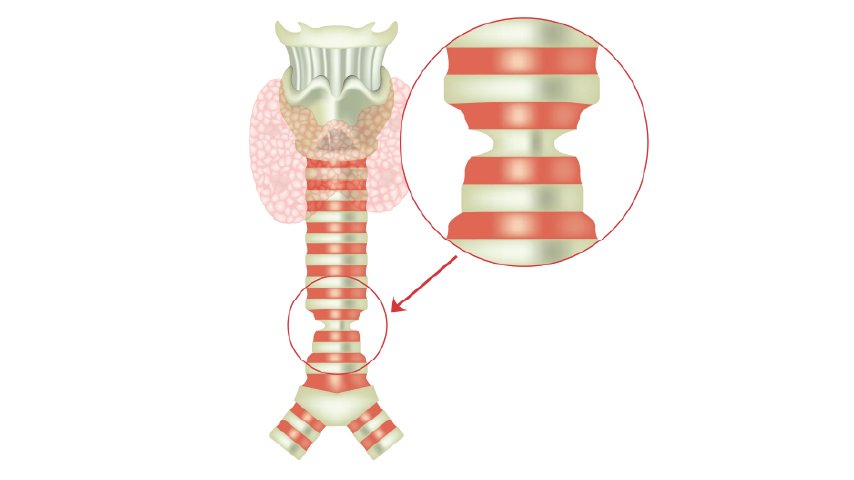
One of the most important parts of this system is the trachea, commonly called the windpipe. The trachea carries air from the throat to the lungs and is supported by cartilage rings that keep it open.
Sometimes the trachea becomes narrow. This narrowing is known as tracheal stenosis. When this happens, air cannot move through the airway easily.
Even a small narrowing can create noticeable breathing problems because airflow is very sensitive to the diameter of the airway. Patients often feel breathless even during mild physical activity.
Tracheal stenosis can develop due to several reasons. One of the most common causes is prolonged intubation in the intensive care unit, leading to Post Intubation Tracheal Stenosis. When a breathing tube remains in the airway for several days or weeks, it can irritate the lining of the trachea. During healing, scar tissue may form and gradually narrow the airway.
Other causes include previous airway surgery, infections such as tuberculosis, autoimmune diseases, trauma to the neck or airway, or tumors affecting the airway.
Regardless of the cause, the goal of treatment is to restore normal airflow so that patients can breathe comfortably again.
Modern interventional pulmonology offers several minimally invasive treatments to achieve this goal. Two of the most commonly used approaches are balloon dilatation and airway stenting.
Symptoms That Suggest Airway Narrowing
Tracheal stenosis usually develops gradually. Symptoms may appear weeks or months after the initial injury or illness.
The most common symptom is breathlessness. Patients may initially notice shortness of breath during exercise or climbing stairs. Over time, breathing may become difficult even during routine activities.
Some patients develop a high-pitched sound while breathing. This sound is called stridor and is often heard during inhalation.
Persistent cough is another common symptom. Some people also describe a tight feeling in the throat or upper chest.
Because these symptoms can resemble asthma, many patients are initially treated with inhalers before the true cause is discovered.
When breathing problems continue despite standard treatments, doctors may investigate the airway more closely.
How Doctors Diagnose Tracheal Stenosis
Diagnosis begins with a detailed medical history. Doctors often ask about previous ICU stays, ventilator support, surgeries, infections, or injuries involving the airway.
Imaging tests such as CT scans help visualize the airway and detect narrowing.
Bronchoscopy is one of the most important diagnostic tools. During bronchoscopy, doctors insert a thin flexible tube with a camera into the airway. This allows them to see the inside of the trachea in real time.
Bronchoscopy helps doctors determine the exact location, length, and severity of the narrowing.
This information is crucial for deciding the best treatment approach.
What Is Balloon Dilatation?
Balloon dilatation is one of the simplest and most commonly used treatments for airway narrowing.
This procedure is performed using bronchoscopy as part of the Tracheal Balloon Dilatation Procedure. A small balloon attached to a catheter is guided into the narrowed portion of the airway.
Once the balloon reaches the correct position, it is gradually inflated.
As the balloon expands, it stretches the scar tissue inside the airway. This widens the airway and improves airflow.
The balloon remains inflated for a few seconds and is then deflated and removed.
Doctors may repeat the inflation several times during the procedure to achieve the desired airway diameter.
The procedure is minimally invasive and usually completed within a short time.
Many patients notice improvement in breathing almost immediately after treatment.
Advantages of Balloon Dilatation
Balloon dilatation offers several advantages.
The procedure does not require major surgery. It is performed through a bronchoscope, which means there are no external incisions.
Recovery time is usually short. Many patients can go home the same day or the next day.
The procedure can also be repeated if the airway becomes narrow again.
Balloon dilatation is particularly useful when the narrowed segment is short and caused by soft scar tissue.
Because it is relatively simple and safe, doctors often consider it as the first treatment option.
Limitations of Balloon Dilatation
Although balloon dilatation can be highly effective, it does not always provide a permanent solution.
In some patients, scar tissue may gradually form again. When this happens, the airway may slowly narrow over time.
This means the procedure may need to be repeated.
The likelihood of recurrence depends on the underlying cause of the stenosis and the length of the affected airway.
When repeated narrowing occurs, doctors may consider additional treatments such as airway stenting.
What Is Airway Stenting?
Airway stenting is another bronchoscopic treatment used to keep the airway open.
A stent is a small hollow tube that is placed inside the airway as part of Tracheal Stent Placement. The purpose of the stent is to hold the airway open and prevent it from collapsing or narrowing.
Stents are usually made of silicone or metal mesh. Once placed inside the airway, the stent expands and supports the airway walls.
The placement of a stent is performed using bronchoscopy under sedation or general anesthesia.
Doctors carefully position the stent so that it covers the narrowed section of the airway.
Once the stent is in place, it acts like a scaffold that keeps the airway open and allows air to flow normally.
When Doctors Recommend Airway Stents
Airway stents are typically used in more complex cases of airway narrowing.
They may be recommended when balloon dilatation alone does not provide long-lasting results.
Stents are also useful when the airway tends to collapse or when the narrowed segment is longer.
In some cases, stents are used when tumors are compressing the airway from outside.
The stent helps maintain airway patency and allows patients to breathe comfortably.
For some patients, stents are used temporarily while the airway heals. In others, they may remain in place for a longer duration.
Advantages of Airway Stenting
Airway stents provide continuous support to the airway.
Unlike balloon dilatation, which stretches the airway temporarily, a stent physically keeps the airway open.
This can provide longer-lasting symptom relief.
Stents can be particularly helpful in complex airway conditions where the airway repeatedly collapses or narrows.
In patients with tumors affecting the airway, stents can rapidly improve breathing and quality of life.
Possible Limitations of Airway Stents
While stents are very useful in certain situations, they are not suitable for every patient.
Stents can sometimes lead to mucus buildup inside the airway. This may require periodic cleaning using bronchoscopy.
Some patients may experience irritation or coughing after stent placement.
In rare cases, the stent may move from its original position.
Because of these potential issues, doctors carefully evaluate whether a stent is necessary before recommending it.
How Doctors Decide Between Balloon Dilatation and Stenting
Choosing the right treatment requires careful evaluation.
Doctors consider several factors before deciding which procedure is best.
The length of the narrowed airway is one of the most important factors. Short segments of narrowing often respond well to balloon dilatation alone.
Longer or more complex narrowing may require stenting.
The cause of the stenosis also matters. If scar tissue is soft and localized, balloon dilatation may be sufficient.
If the airway is unstable or repeatedly collapses, stenting may be more effective.
Doctors also consider the patient's overall health and treatment goals.
In many cases, balloon dilatation is attempted first. If the airway continues to narrow again, a stent may be placed later.
The Role of Interventional Pulmonology
Modern airway treatments are part of a specialized field called interventional pulmonology.
Interventional pulmonologists are lung specialists trained to perform advanced bronchoscopic procedures.
These specialists use minimally invasive techniques to diagnose and treat airway diseases.
Procedures such as balloon dilatation, airway stenting, laser therapy, and cryotherapy allow doctors to treat complex airway conditions without major surgery.
These advances have significantly improved the quality of life for patients with airway disorders.
Recovery and Follow-Up
After either balloon dilatation or stent placement, patients are monitored closely.
Most people notice improvement in breathing soon after treatment.
Doctors usually schedule follow-up visits to ensure the airway remains open.
Patients who receive stents may require periodic bronchoscopy to monitor the stent and clear mucus if needed.
Any return of symptoms such as breathlessness or noisy breathing should be reported to the doctor.
Early detection of recurrence helps ensure timely treatment.
Conclusion
Tracheal stenosis can make breathing difficult and affect everyday activities. Fortunately, modern medical treatments can restore airflow and improve quality of life.
Balloon dilatation and airway stenting are two effective bronchoscopic treatments used to open narrowed airways.
Balloon dilatation works by stretching the narrowed airway using a small inflatable balloon. It is minimally invasive and often used as the first treatment.
Airway stenting involves placing a small tube inside the airway to keep it open for a longer time. It is typically used in more complex cases.
The best treatment depends on the cause, severity, and location of the airway narrowing. With proper diagnosis and specialized care, most patients can achieve significant improvement in breathing.
Call to Action
If you or a loved one are experiencing persistent breathlessness, noisy breathing, or symptoms of airway narrowing, consult a pulmonologist or interventional pulmonology specialist. Early evaluation can identify conditions such as tracheal stenosis and help determine whether treatments like balloon dilatation or airway stenting can restore comfortable breathing.