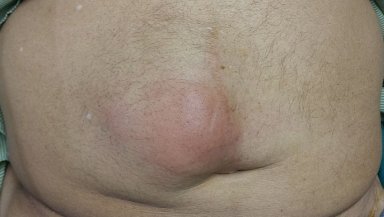
Can an Anal Fistula Heal on Its Own? What Happens If You Keep Waiting?
Medicine Made Simple Summary
An anal fistula is an abnormal tunnel between the anal canal and the skin near the anus. It commonly develops after an anal abscess drains but leaves a small channel behind. Unlike a simple skin wound, an established fistula usually does not heal permanently without treatment. Waiting may allow pain and discharge to settle temporarily, but the tunnel can remain and cause repeated abscesses, swelling and drainage. Treatment is usually needed, although the procedure depends on the fistula’s location, complexity and relationship with the sphincter muscles. Early assessment can help prevent repeated problems and complications.
Can an Anal Fistula Heal on Its Own?
If you have been diagnosed with an anal fistula, it is natural to wonder whether you really need treatment.
Perhaps the pain has disappeared. The swelling may have gone down. The discharge may be very small or may have stopped completely.
You may therefore think, “If I wait long enough, will it close by itself?”
Unfortunately, an established anal fistula usually does not heal permanently on its own. The NHS states that anal fistulas rarely heal without treatment and that surgery is often needed.
This does not mean every fistula requires emergency surgery. It means that an established fistula should be properly assessed rather than ignored.
To understand why, it helps to understand what a fistula actually is.
What Is an Anal Fistula?
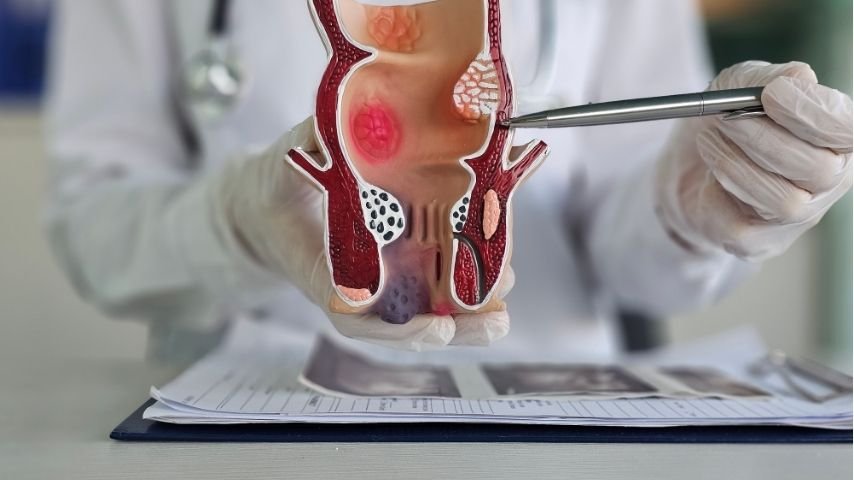
An anal fistula is a small abnormal tunnel that connects the inside of the anal canal with the skin around the anus.
Most develop after an anal abscess.
An abscess is a collection of pus caused by an infection. It can produce severe pain, swelling, redness and sometimes fever.
When an abscess drains, either naturally or after surgical drainage, the pressure decreases. The pain often improves quickly.
However, the infection can leave behind a small pathway between the inside of the anus and the skin.
That pathway becomes the fistula.
The important difference is that an abscess is a pocket of infection, while a fistula is the tunnel that can remain after the infection has drained.
The American Society of Colon and Rectal Surgeons explains that an anal fistula frequently develops after an abscess and may continue to produce drainage through an external opening.
Why Does a Fistula Keep Coming Back?
Think of a fistula as a tunnel under the skin.
A normal cut can gradually close as new tissue forms. An anal fistula is different because the tunnel can remain connected to the anal canal.
The external opening may sometimes become smaller or close temporarily. When this happens, fluid and infection can become trapped.
Pressure builds up.
The area becomes swollen and painful.
Another abscess may form.
Eventually, it may drain again and the pain may improve.
This creates a repeating cycle of:
- Pain
- Swelling
- Drainage
- Temporary relief
- Recurrence
The cycle can make it appear as though the fistula has healed several times, when the underlying tunnel is still present.
What Happens If You Keep Waiting?
Waiting does not necessarily mean that a serious complication will happen immediately.
An anal fistula is usually not life-threatening.
However, an untreated fistula can continue to cause:
- Repeated discharge
- Irritation
- Pain
- Recurrent abscesses
You may have periods when everything feels normal, followed by another painful episode.
You may also repeatedly use antibiotics or home remedies whenever symptoms return. These may sometimes help with infection or discomfort, but they generally do not remove an established fistula tunnel.
Over time, the condition can become a recurring disruption to everyday life. You may worry about discharge, avoid travel or activities, or constantly wonder when another abscess will develop.
The goal of specialist assessment is not necessarily to rush you into surgery. It is to understand the problem and determine what treatment, if any, is appropriate.
Can an Abscess Go Away Without Treatment?
An abscess can sometimes burst and drain by itself.
When this happens, the pain may improve dramatically.
But spontaneous drainage does not necessarily mean that the underlying problem has disappeared.
If a fistula remains, another abscess can develop later.
This is why a painful lump near the anus should not simply be squeezed or punctured at home.
A significant abscess may need professional drainage.
The American Society of Colon and Rectal Surgeons identifies surgical drainage as the main treatment for an anal abscess in most circumstances.
If you have increasing pain, swelling, redness or fever around the anus, seek medical assessment rather than waiting for the swelling to burst.
Can Antibiotics Cure an Anal Fistula?
Antibiotics can be useful in certain situations.
They may be prescribed when there is spreading infection, significant inflammation or particular medical conditions that increase infection risk.
However, an established fistula is not simply an infection.
It is a physical tunnel.
Antibiotics may reduce bacteria and inflammation, but they generally cannot remove that tunnel.
This is why repeated courses of antibiotics may make symptoms better temporarily while the fistula remains.
If symptoms repeatedly return after antibiotics, the underlying cause should be investigated.
Can You Have a Fistula Without Pain?
Yes.
This is one reason people often delay treatment.
A fistula that drains freely may cause little pain.
You may simply notice a small amount of fluid or pus on your underwear. There may be a tiny opening near the anus, or occasional irritation of the surrounding skin.
The absence of pain does not prove that the fistula has disappeared.
In some cases, drainage actually prevents pressure from building inside the tract. If the opening closes, pain and swelling can return.
Persistent or recurrent discharge from the same area should therefore be assessed even if you otherwise feel completely well.
What If the Opening Has Closed?
A closed external opening can mean that the fistula is healing.
But it can also be temporary.
If the internal part of the fistula remains, the tunnel may still be present underneath the skin.
Fluid can then become trapped.
A new abscess may develop.
The area can become painful and swollen before eventually draining again.
Therefore, if an opening closes and you subsequently develop a new painful lump in the same area, contact your doctor.
The pattern of symptoms is more important than the appearance of the skin on a particular day.
What Are the Warning Signs That You Should Not Keep Waiting?
Certain symptoms need prompt medical attention.
These include:
- Increasing or throbbing pain around the anus
- A new or rapidly growing lump
- Redness and swelling
- Fever or chills
- Feeling generally unwell
- A sudden increase in pus or foul-smelling discharge
Do not attempt to squeeze, puncture or drain a painful lump yourself.
If you develop severe pain, significant swelling or fever, seek medical attention promptly.
How Is an Anal Fistula Diagnosed?
A doctor will usually begin by asking about your symptoms and examining the area.
They may ask whether you have previously had an abscess, how often the area drains and whether you have had previous surgery.
The external opening may be visible during examination.
For some patients, no additional testing is necessary.
For complex or recurrent fistulas, imaging can be helpful.
An MRI scan can map the fistula pathway and identify branches or internal openings that may not be obvious from the outside.
An examination under anaesthesia may also be recommended in selected cases.
The purpose is to understand the anatomy before choosing treatment.
Why Does the Sphincter Matter?
The anal sphincter muscles are the muscles that help you control gas and bowel movements.
Some fistulas pass through or close to these muscles.
This is one of the most important factors when choosing treatment.
If a simple fistula involves little sphincter muscle, a fistulotomy may be suitable.
During a fistulotomy, the surgeon opens the fistula tract along its length so it can heal as a flat wound.
However, if the fistula passes through a significant amount of sphincter muscle, cutting through it could increase the risk of bowel-control problems.
In these cases, the surgeon may recommend a sphincter-preserving approach.
The aim is to treat the fistula while protecting normal bowel function.
What Treatment Options Are Available?
There is no single procedure that is right for every fistula.
Treatment options may include:
- Fistulotomy: A simple fistula may be treated by opening the fistula tract along its length so it can heal.
- Seton: If the fistula involves the sphincter, a seton may be used. A seton is a thin surgical thread placed through the fistula to keep it draining while helping protect the sphincter muscles.
- LIFT: This is another sphincter-preserving treatment option.
- Advancement flap: This may be considered for selected fistulas.
- Laser treatment: Treatment such as FiLaC may also be considered for selected fistulas.
The NHS notes that the choice depends on the position of the fistula and whether it is a single tract or has branches.
This is why the question should not simply be, “Which fistula surgery is best?”
The more useful question is, “Which treatment is safest and most suitable for my fistula?”
Does Treatment Always Require a Long Hospital Stay?
Not necessarily.
Many anal fistula procedures are performed under general anaesthesia, and patients can often return home the same day.
More complex procedures may require an overnight stay.
Recovery depends on the treatment used.
A straightforward fistulotomy can have a different recovery from a staged treatment involving a seton or another sphincter-preserving procedure.
Your surgeon should explain the expected recovery, wound care and activity restrictions before treatment.
What If You Are Afraid of Surgery?
Fear of surgery is understandable, particularly when the problem affects such a sensitive area.
Some people delay treatment because their symptoms are manageable.
It is important to remember that seeing a specialist does not automatically mean you will need an operation immediately.
The consultation is an opportunity to understand your fistula.
Your surgeon can explain whether it is simple or complex, whether it involves the sphincter and what treatment options are available.
You can then weigh the benefits and risks of treatment against the consequences of continued symptoms.
What If You Have Already Waited for Months?
If you have been living with a fistula for months, it is not too late to seek help.
The fistula may still be straightforward to treat.
Alternatively, it may have developed branches or experienced repeated episodes of infection.
A specialist can assess the current situation and recommend the appropriate next step.
Do not assume that because you have waited for a long time, treatment will necessarily be more difficult.
The important thing is to stop postponing assessment simply because symptoms temporarily improve.
Can a Fistula Become More Complicated?
Not every fistula becomes more complex with time.
However, recurrent infection and repeated abscesses can make the condition more difficult to manage.
Previous surgery can also change the anatomy.
This is particularly important when a fistula is close to or passes through the sphincter muscles.
Early specialist assessment can therefore be useful even if you are not experiencing severe symptoms.
It allows the surgeon to understand the anatomy before another abscess or infection develops.
What About Crohn's Disease?
Most anal fistulas develop following an infection and abscess around the anus.
However, Crohn's disease can also cause anal fistulas.
This matters because Crohn's-related fistulas may require medical treatment as well as surgical management.
Tell your doctor if you have:
- Repeated fistulas
- Multiple fistulas
- Persistent diarrhoea
- Abdominal symptoms
- Unexplained weight loss
- A known history of Crohn's disease
Understanding the underlying cause can influence the treatment plan.
Can Home Remedies Cure an Anal Fistula?
Warm baths can help with comfort and hygiene.
Keeping the area clean can reduce irritation.
Avoiding constipation can make bowel movements easier.
These measures can support symptom management, but they do not remove an established fistula tunnel.
Be cautious about online remedies that promise to permanently cure an anal fistula without medical treatment.
If a fistula is suspected, proper diagnosis is more important than repeatedly trying home remedies.
The Key Takeaway
An established anal fistula usually does not disappear permanently by simply waiting.
The reason is simple.
A fistula is a tunnel between the anal canal and the skin.
Even if the external opening closes, the tunnel may remain underneath.
Fluid can become trapped, leading to another abscess and another episode of pain and swelling.
This can create a repeating cycle of drainage, temporary relief and recurrence.
Not every fistula needs the same procedure.
Simple fistulas may be suitable for fistulotomy, while fistulas involving the sphincter may require a seton or another sphincter-preserving approach.
Laser treatment and other minimally invasive procedures may be appropriate for selected patients.
The right treatment depends on the individual fistula.
Conclusion
If you have an anal fistula, waiting can seem attractive when your symptoms are mild.
You may have little pain.
The discharge may have stopped.
The skin may look normal.
But these improvements do not necessarily mean that the underlying fistula has healed.
An established fistula usually persists because the abnormal tunnel remains connected to the anal canal.
If the external opening closes while the tunnel remains, an abscess can form again.
You may then experience swelling, pain and drainage before feeling better once more.
This cycle can repeat.
The good news is that anal fistulas are treatable.
The important step is understanding the type of fistula you have.
A surgeon will consider its:
- Location
- Complexity
- Branches
- Relationship with the sphincter muscles
before recommending treatment.
A simple fistula may be treated with fistulotomy.
A more complex fistula may require a seton, LIFT, advancement flap, laser treatment or another approach designed to protect bowel control.
If you have persistent drainage, recurrent swelling or repeated abscesses, do not continue waiting indefinitely.
Arrange an assessment with a colorectal surgeon.
You may not need emergency treatment, but understanding the condition can help you make a safer and more informed decision.
The goal is not simply to make today's symptoms disappear.
It is to break the cycle of abscess, drainage and recurrence while protecting your long-term bowel function.
References and Sources
Guy's and St Thomas' NHS Foundation Trust – Anal Fistula Treatment