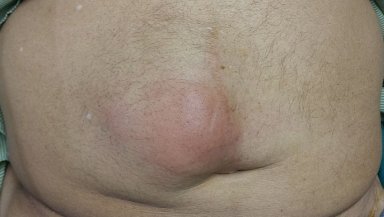
Rectal Bleeding, Pain or a Change in Bowel Habits: When Should You See a Colorectal Surgeon?
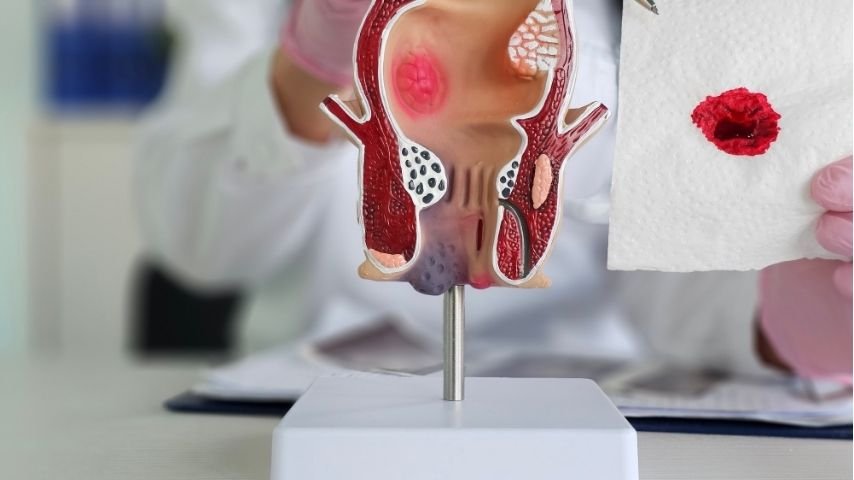
Medicine Made Simple Summary
Colorectal surgery is specialized treatment for diseases affecting the colon, rectum and anus. A colorectal surgeon may use medicines, endoscopic procedures, minimally invasive techniques or surgery depending on the diagnosis. Seeing one does not mean an operation is automatically necessary. Specialist evaluation may be appropriate when rectal bleeding persists, pain does not improve, bowel habits change without a clear reason, or symptoms return despite treatment. The surgeon first identifies the cause through history, examination and appropriate tests, then recommends the least invasive treatment that can safely provide lasting relief.
Introduction
Rectal bleeding, pain around the anus and changes in bowel habits are common symptoms. They can happen because of something relatively simple, such as hemorrhoids or constipation. They can also be caused by conditions that need more detailed investigation, including inflammatory bowel disease, polyps or colorectal cancer.
This is why it can be difficult to know when you should simply monitor the symptoms and when you should see a specialist.
One of the most important things to understand is that seeing a colorectal surgeon does not automatically mean that you need surgery. Colorectal surgeons are specialists in both surgical and non-surgical management of diseases affecting the colon, rectum and anus. (Cleveland Clinic)
The purpose of a consultation is first to understand what is causing your symptoms. Once the diagnosis is clear, your doctor can decide whether you need lifestyle changes, medicines, an outpatient procedure, further investigation or surgery.
What Does a Colorectal Surgeon Treat?
The colon, rectum and anus form the lower part of the digestive system. Problems affecting these areas can change the way you pass stool, cause bleeding or pain, affect bowel control and interfere with everyday life.
A colorectal surgeon treats conditions such as hemorrhoids, anal fissures, anal fistulas, rectal prolapse, diverticular disease, inflammatory bowel disease, bowel obstruction, polyps and colorectal cancer. (American Society of Colon and Rectal Surgeons)
Depending on the problem, treatment may involve dietary changes, medicines, an office-based procedure, colonoscopy or surgery.
The important point is that treatment begins with diagnosis rather than an operation.
Rectal Bleeding: When Should You Be Concerned?
Rectal bleeding is one of the most common reasons people become worried about their bowel health.
You may notice bright-red blood on toilet paper, streaks on the stool or blood dripping into the toilet. These patterns can occur with hemorrhoids or an anal fissure.
However, blood in the stool can also occur with polyps, inflammatory bowel disease, diverticular disease and colorectal cancer. The American Society of Colon and Rectal Surgeons specifically warns that rectal bleeding attributed to hemorrhoids can sometimes result in other diseases being missed. (ASCRS)
This does not mean that rectal bleeding means cancer.
It means that persistent or unexplained bleeding should be evaluated rather than repeatedly assumed to be piles.
A colorectal surgeon may review your medical and family history and examine the anal and rectal area. Depending on your age, symptoms and risk factors, further testing such as colonoscopy may be recommended.
Bright-Red Blood Does Not Always Mean Hemorrhoids
Many patients believe that bright-red blood automatically means piles.
That is not necessarily true.
Hemorrhoids commonly cause bright-red bleeding, particularly during or after a bowel movement. But other conditions can cause the same symptom.
If the bleeding keeps returning, is increasing or occurs alongside other changes, you should seek medical advice.
The National Cancer Institute lists blood in the stool and changes in bowel habits among possible symptoms of colon and rectal cancer, while also emphasizing that these symptoms can have many other causes. (NCI)
The safest approach is to find out the cause instead of trying to diagnose yourself based on the colour of the blood.
What About Pain Around the Anus?
Pain around the anus can have several causes.
A sharp pain during bowel movements may occur with an anal fissure. Hemorrhoids can cause discomfort, particularly when they become inflamed or prolapsed. A painful swelling accompanied by pus or fever may indicate an anal abscess.
Persistent anal pain should be evaluated when it does not improve with appropriate treatment or when the diagnosis is uncertain.
A colorectal surgeon can examine the area and distinguish between conditions that may look similar but require different treatment.
For example, treating an anal fissure is very different from treating an abscess or fistula.
When Does a Change in Bowel Habits Matter?
Everyone's bowel habits are different.
Some people normally pass stool once a day. Others may go more or less frequently.
The concern is a new and persistent change from your normal pattern.
You may suddenly develop constipation when you previously had regular bowel movements. You may begin having frequent loose stools. You may alternate between constipation and diarrhoea. Your stools may become consistently narrower or you may feel that your bowel is not emptying properly.
The NCI identifies changes such as diarrhoea, constipation, incomplete emptying and changes in stool shape as symptoms that can occur with rectal or colon cancer, although they can also result from many non-cancerous conditions. (NCI)
A persistent unexplained change deserves medical assessment.
1. Persistent Rectal Bleeding
If you notice blood once and it disappears, the cause may be minor. However, repeated bleeding should not be ignored.
This is particularly important if you have never been diagnosed with hemorrhoids or if your bleeding pattern has changed.
Even patients who already have piles should not automatically assume that every future episode of bleeding comes from hemorrhoids.
A colorectal specialist can determine whether the bleeding is consistent with hemorrhoids or whether further investigation is necessary.
2. Rectal Bleeding With a Change in Bowel Habits
The combination of bleeding and a persistent change in bowel habits deserves particular attention.
For example, you may notice blood along with several weeks of looser stools, increasing constipation or a persistent feeling that you have not completely emptied your bowel.
This does not mean you have cancer.
However, it is a reason to seek medical evaluation because several colorectal conditions can produce this combination of symptoms.
The appropriate investigation depends on your age, risk factors, family history and the nature of your symptoms.
3. Unexplained Weight Loss or Persistent Fatigue
Weight loss without trying can have many causes, including stress, dietary changes, infections and other medical conditions.
However, unexplained weight loss combined with rectal bleeding or a persistent bowel-habit change deserves medical attention.
Persistent fatigue can also be important, particularly when accompanied by bleeding. Long-term blood loss can contribute to iron-deficiency anaemia, which may cause tiredness and weakness.
Your doctor may recommend blood tests as part of the evaluation.
4. A Persistent Lump, Swelling or Tissue Coming Out
A lump around the anus may be caused by hemorrhoids, a skin tag, an abscess or another condition.
Similarly, tissue coming out during bowel movements may be caused by prolapsing hemorrhoids or rectal prolapse.
These conditions can look similar to patients but require different treatment.
If a lump is new, persistent, painful or associated with bleeding or discharge, it should be examined.
The National Cancer Institute also lists an anal lump, bleeding, pain, pressure and changes in bowel habits among symptoms that should be medically evaluated. (NCI)
5. Symptoms That Keep Returning Despite Treatment
Suppose you have already been treated for hemorrhoids, constipation or an anal fissure.
The symptoms improve temporarily but repeatedly return.
This is a good reason to reassess the diagnosis and treatment plan.
Persistent low-risk symptoms that do not respond to appropriate treatment or return after treatment may require further evaluation. (NHS Clinical Guidance)
Repeatedly treating symptoms without confirming the underlying cause can delay appropriate treatment.
A colorectal surgeon can determine whether the original diagnosis is correct and whether a different treatment is necessary.
6. A Family History of Colorectal Cancer
Your family history can influence your risk of colorectal cancer.
If a close family member has had colorectal cancer or certain advanced polyps, your doctor may recommend earlier or more intensive evaluation depending on the circumstances.
Tell your doctor if a parent, sibling or child has had colorectal cancer, particularly if they were diagnosed at a younger age.
Family history does not mean that you will develop cancer.
It simply helps your doctor determine whether you need a different screening or diagnostic approach.
7. Severe or Sudden Symptoms
Some symptoms should not wait for a routine specialist appointment.
Heavy or continuous rectal bleeding requires urgent medical attention. Black or very dark stools, bloody diarrhoea, severe abdominal pain, persistent vomiting or significant abdominal swelling can also require prompt evaluation. (NHS)
A painful swelling around the anus accompanied by fever may indicate an abscess and should be assessed promptly.
If you feel faint, extremely weak or unwell while experiencing significant bleeding, seek emergency medical care.
What Happens During a Colorectal Consultation?
Your first consultation is usually much simpler than many patients expect.
The surgeon will begin by asking about your symptoms, when they started, how often they occur and whether they are getting worse.
You may be asked about your bowel movements, diet, constipation, diarrhoea, bleeding, pain and previous treatments.
Your medical history and family history are also important.
The surgeon may then examine your abdomen and the area around the anus. A digital rectal examination or anoscopy may be recommended depending on your symptoms.
If more information is needed, your doctor may recommend blood tests, stool tests, colonoscopy, sigmoidoscopy, CT or MRI.
The purpose is to understand what is happening before deciding on treatment.
Will You Need a Colonoscopy?
Not everyone with rectal bleeding needs a colonoscopy.
The decision depends on your symptoms, age, risk factors, previous screening and examination findings.
However, selected patients with rectal bleeding require complete evaluation of the colon. ASCRS guidance specifically recommends complete endoscopic evaluation in selected patients with symptomatic hemorrhoids and rectal bleeding because other colorectal diseases can cause similar symptoms. (ASCRS)
A colonoscopy allows a doctor to examine the lining of the colon and rectum and, when necessary, remove polyps or take tissue samples for testing.
Does Seeing a Colorectal Surgeon Mean You Have Cancer?
No.
This fear can prevent people from seeking help.
Rectal bleeding, pain and changes in bowel habits are common symptoms. Most people with these symptoms do not automatically have cancer.
Hemorrhoids, fissures, infections, constipation, diverticular disease and inflammatory bowel conditions can all produce bowel symptoms.
The reason for specialist assessment is to distinguish between these conditions.
If a doctor recommends further testing, it does not mean that cancer has already been diagnosed.
It means that the symptoms deserve a proper explanation.
What Treatments Can a Colorectal Surgeon Recommend?
Treatment depends on the diagnosis.
Hemorrhoids may be managed with fibre, fluids, constipation treatment, office procedures or surgery depending on severity.
Anal fissures may respond to medicines and bowel-habit changes, while selected chronic cases may require a procedure.
Anal fistulas often require a procedure designed around the location of the fistula and the anal sphincter.
Diverticular disease may be managed medically or surgically depending on severity and complications.
Colorectal cancer may require surgery combined with chemotherapy, radiation, targeted therapy or immunotherapy depending on its stage and location.
This is why the diagnosis comes first.
Final Thoughts
Rectal bleeding, anal pain and changes in bowel habits are symptoms that deserve attention when they persist, recur or occur together.
They do not automatically mean that something serious is wrong.
But they should not automatically be blamed on hemorrhoids either.
A colorectal surgeon can help identify the cause and determine what treatment is appropriate. Sometimes the answer may be simple dietary changes or medication. Sometimes an outpatient procedure is enough. In other cases, further investigation or surgery may be necessary.
The most important warning sign is a persistent change from what is normal for you.
If bleeding keeps returning, your bowel habits have changed without a clear explanation, you have unexplained weight loss or fatigue, or anal pain or swelling is not improving, arrange a medical evaluation.
Getting checked does not mean expecting the worst.
It means replacing uncertainty with a proper diagnosis.
Call to Action
If you are experiencing persistent rectal bleeding, unexplained changes in bowel habits, ongoing anal pain, recurrent swelling or a new lump around the anus, consult an experienced colorectal surgeon or appropriate gastrointestinal specialist. Early evaluation can help identify the cause and ensure that you receive the right treatment rather than repeatedly treating symptoms without knowing what is causing them.
References and Sources