What Is Microvascular Free Flap Reconstruction? A Beginner’s Guide for Patients and Families
Medicine Made Simple Summary
Microvascular free flap reconstruction is a surgery that moves healthy tissue, along with its tiny blood vessels, from one part of the body to another to rebuild areas damaged by cancer, injury, or disease. Surgeons reconnect these small blood vessels using a microscope so the transferred tissue stays alive in its new place. This procedure helps restore shape, function, and confidence when body parts like the jaw, tongue, breast, or face need reconstruction. Recovery takes time, but the surgery offers long-term natural results and supports gradual Microvascular Free Flap Recovery.
Introduction
Hearing that someone needs reconstructive surgery can feel overwhelming. Words like microvascular and free flap may sound complicated. This guide explains the procedure in simple terms so patients and families can understand what it means, why it is done, and what to expect as part of realistic Free Flap Recovery Expectations.
Our bodies are made of living tissues that need blood to survive. Skin, muscle, fat, and bone all receive oxygen and nutrients through blood vessels. If part of the body is removed because of cancer, injury, or infection, doctors sometimes rebuild that missing part using tissue from another area of the same person’s body. This is called reconstruction. Microvascular free flap reconstruction is one of the most advanced and reliable ways to do this.
In simple words, a free flap surgery moves a piece of healthy tissue from one part of the body to another and reconnects its blood vessels under a microscope so the tissue continues to live in its new location.
Suggested image: Simple diagram showing tissue moved from donor site to reconstruction site with blood vessels reconnected.
Why Do Patients Need This Surgery
Many people need free flap reconstruction after cancer surgery. Head and neck cancers may require removal of part of the tongue, jaw, cheek, or throat. Breast cancer may need breast reconstruction after mastectomy. Accidents or burns may damage skin, muscle, or bone. Some infections can destroy tissue. In all these situations, reconstruction helps restore appearance and function.
For example, rebuilding part of the jaw can help a person eat and speak better. Rebuilding tongue tissue can improve swallowing. Breast reconstruction can help restore body image and confidence. This surgery is not only about looks. It is also about helping the body work as normally as possible.
What Does “Free Flap” Mean
The word flap refers to a piece of tissue that is moved for reconstruction. It may include skin, fat, muscle, or bone, depending on what needs to be rebuilt. The word free means the tissue is completely detached from its original location before being moved to the new site.
Once the tissue is moved, surgeons reconnect its tiny blood vessels to blood vessels at the new site. This reconnection is called microvascular surgery. Micro means very small. Vascular means blood vessels. Surgeons use special microscopes and fine instruments to stitch vessels that may be thinner than a strand of hair.
When the blood starts flowing through the reconnected vessels, the transferred tissue comes back to life in its new place.
Suggested image: Operating microscope used in microvascular surgery.
Where Does the Donor Tissue Come From
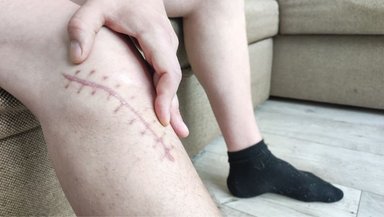
The tissue used for reconstruction is taken from another part of the same patient’s body. This area is called the donor site. Common donor sites include the thigh, lower leg, abdomen, back, or forearm. Surgeons choose the donor site based on what type of tissue is needed.
After surgery, both the donor area and the reconstructed area heal. Over time, most patients adapt well and regain normal daily activities.
Suggested image: Illustration showing common donor sites on the human body.
How The Surgery Is Performed
The surgery usually takes several hours. A team of surgeons works together. One team prepares the area that needs reconstruction. Another team prepares the donor tissue. Once the flap is removed with its blood vessels, it is moved to the new location. Surgeons then connect the tiny arteries and veins using microscopic stitches.
After blood flow is restored, the tissue begins functioning as part of the reconstructed area. The surgical sites are closed carefully. Drains may be placed to remove extra fluid during early healing.
Because this is a complex procedure, it is done in specialized centers with trained reconstructive microsurgeons.
What Happens Immediately After Surgery
After surgery, patients usually stay in the hospital for monitoring. Nurses and doctors check the flap regularly to ensure blood flow is good. Special devices or simple visual checks help confirm that the tissue remains healthy.
Pain is managed with medications as part of structured Free Flap Recovery Pain Management. Swelling is normal during early recovery. Most patients stay in the hospital for about one to two weeks depending on the surgery site and overall health.
Families often play an important role in supporting patients during this phase. Emotional support and reassurance make a big difference.
Recovery At Home
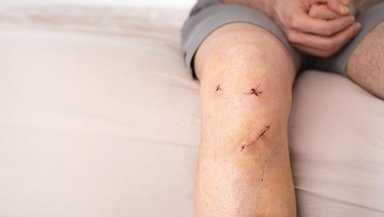
Recovery continues after discharge. The reconstructed area and donor site both need time to heal. Stitches or staples may be removed during follow-up visits. Doctors advise when normal activities can resume.
Speech therapy, swallowing therapy, or physiotherapy may be recommended depending on the reconstruction site. Progress happens gradually. Many patients see significant improvement in function and appearance over several months.
It is normal to feel tired during recovery. Proper nutrition, wound care, and follow-up visits help ensure good healing.
Suggested image: Timeline graphic showing hospital stay, home recovery, and gradual improvement.
Possible Risks And Complications
Every surgery carries some risks. In free flap surgery, the most important risk is failure of blood flow to the flap. If blood vessels clot or leak, the tissue may not survive. This is why close monitoring is done in the early days after surgery. If detected early, surgeons can sometimes fix the problem.
Other risks include infection, wound healing issues, fluid collection, scarring, or numbness. Donor site weakness or stiffness may occur but usually improves with time and therapy.
Your surgical team will explain personal risks before surgery. Asking questions and understanding the plan helps reduce anxiety.
Life After Reconstruction
Many patients return to normal daily activities after recovery. Eating, speaking, walking, and social interaction often improve compared to before reconstruction. Some changes in sensation or appearance may remain, but overall quality of life is usually much better than leaving the defect untreated.
Psychological healing is also important. Support groups, counselors, and family encouragement help patients regain confidence.
Free flap reconstruction is a long journey, but for many people it brings back both function and self-esteem.
How To Prepare For Surgery
Before surgery, doctors may advise stopping smoking, improving nutrition, and controlling medical conditions like diabetes. Good preparation improves healing. Blood tests and scans help plan the surgery. Meeting the anesthesia team and surgical team before the procedure helps reduce fear.
Understanding what will happen step by step makes the experience less stressful.
Why Choosing The Right Center Matters
Microvascular free flap reconstruction requires experience and teamwork. Specialized hospitals with trained reconstructive microsurgeons, intensive care monitoring, and rehabilitation services offer better outcomes. Asking about the surgeon’s experience and the center’s success rates is appropriate and encouraged.
Suggested image: Specialized operating theater for microsurgery.
When Should You Consider This Surgery
If a doctor suggests free flap reconstruction after cancer surgery, trauma, or infection, it means restoring structure and function is important for long-term health. It is normal to take time to understand options. Discuss alternatives, expected results, and recovery commitments before deciding.
Making an informed decision leads to better satisfaction later.
Conclusion
If you or your loved one has been advised reconstructive surgery, do not hesitate to seek a consultation with a reconstructive microsurgery specialist. Understanding your options early helps plan treatment better and improves recovery. Schedule an appointment with a qualified reconstructive surgery team to discuss whether microvascular free flap reconstruction is right for you.
References and Sources
American Society of Plastic Surgeons – Microsurgical Free Flap Reconstruction
National Cancer Institute – Reconstructive Surgery After Cancer Treatment
British Association of Plastic, Reconstructive and Aesthetic Surgeons – Free Flap Surgery