Managing Pain and Mobility After Free Flap Surgery — A Simple Patient Guide
Medicine Made Simple Summary
Microvascular free flap reconstruction rebuilds body parts using healthy tissue taken from another area of the same person’s body. The tissue is moved with tiny blood vessels and reconnected under a microscope to keep it alive in its new location. After surgery, the body needs time to heal at both the reconstructed area and the donor site. Pain and temporary movement difficulty are normal during recovery. With proper pain control, gentle activity, and therapy, most patients regain comfort and normal mobility over time as part of Microvascular Free Flap Recovery.
After microvascular free flap surgery, most patients worry about two things. Will it be painful? And when will I be able to move normally again? These are natural concerns. This guide explains pain and mobility after free flap reconstruction in simple language so patients and families know what to expect and how to handle recovery with confidence and understand Free Flap Recovery Expectations.
Is Pain Normal After Free Flap Surgery
Yes. Some pain and discomfort are expected after any major surgery. Free flap reconstruction involves two surgical areas. One is the reconstructed site. The other is the donor site. Both areas need healing time, so soreness is normal in the early days.
Pain does not mean something is wrong. It is part of the body’s natural healing response. Doctors plan pain control carefully so patients stay as comfortable as possible.
Knowing that pain is expected and manageable reduces fear before surgery and supports proper Free Flap Surgery Preparation.
How Pain Is Controlled in the Hospital
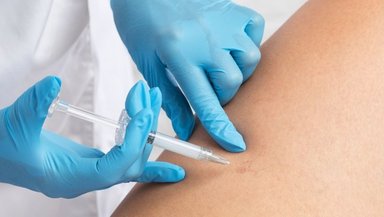
Immediately after surgery, strong pain medicines are given through injections or drips. As recovery progresses, patients shift to oral pain medicines. Nurses regularly ask about pain levels and adjust medication if needed.
The goal is not to remove every sensation but to keep pain at a tolerable level so patients can rest and begin gentle movement. Good pain control also helps prevent stress and speeds healing.
Patients should never hesitate to tell the care team if pain feels uncontrolled.
Suggested image: Nurse checking pain scale chart with patient.
What Kind of Pain to Expect
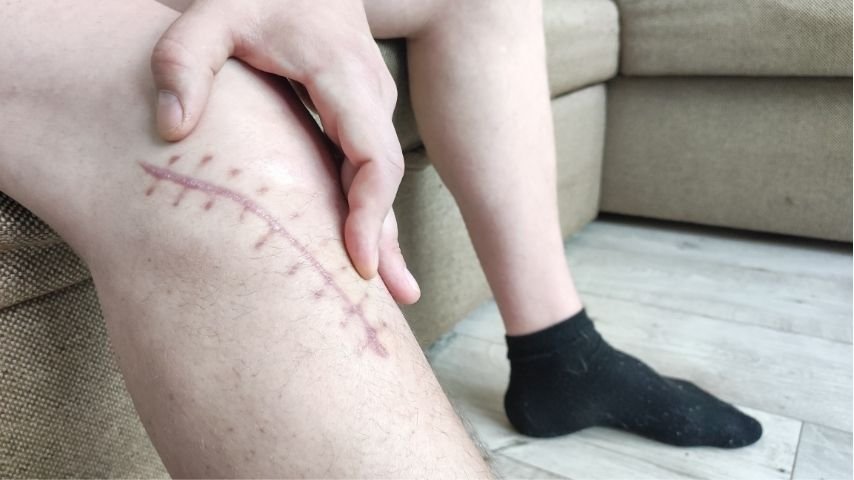
Patients often describe early pain as soreness, tightness, or pressure. The donor site may feel stiff or pulling, especially when moving. The reconstructed site may feel swollen or tender.
As days pass, sharp pain usually reduces. A dull ache or tight feeling may remain for a few weeks. This gradually improves as tissues heal.
Understanding the type of pain expected helps patients avoid unnecessary worry.
Pain Management at Home
After discharge, doctors prescribe pain medicines to take at home. These are usually milder than hospital medicines. Taking them as advised helps avoid sudden pain spikes.
Other simple steps also help. Supporting the surgical area with pillows, avoiding sudden movements, and following wound care instructions reduce discomfort. Good sleep and nutrition support healing.
If pain suddenly increases instead of improving, the doctor should be informed.
When Does Pain Usually Reduce
Most patients notice significant pain reduction within two to three weeks. Donor site discomfort may last slightly longer, especially if muscle or bone was used. By one to two months, most daily activities become comfortable again.
Every person heals differently. Following medical advice ensures steady improvement.
Why Movement Is Important After Surgery
Many patients feel afraid to move after surgery. But gentle movement is important for recovery. It prevents stiffness, improves blood circulation, and reduces the risk of complications like blood clots.
Doctors guide when to start sitting, standing, and walking. Movement is introduced slowly and safely. Patients are never pushed beyond safe limits.
Suggested image: Patient assisted to walk in hospital corridor.
Early Mobility in the Hospital
In the first few days, movement is limited. Patients may start by sitting up in bed or a chair. With help, short walks begin once the medical team confirms it is safe.
Special care is taken to protect both the reconstructed site and the donor site. This early movement builds confidence and prepares patients for home recovery.
Mobility After Returning Home
At home, patients slowly increase activity. Short walks inside the house progress to outdoor walking. Heavy lifting and strenuous exercise are avoided until the doctor approves.
If the donor site is in the leg or thigh, walking may feel slow at first. If the donor site is in the arm, certain hand movements may feel tight. These changes improve with time and exercise.
Patience is key. The body needs gradual rebuilding of strength.
Role of Physiotherapy and Rehabilitation
Many patients benefit from physiotherapy. Therapists guide safe exercises to improve strength, flexibility, and balance. For head and neck reconstruction, speech or swallowing therapy may also be advised.
Therapy may feel tiring at first, but it speeds long-term recovery. Patients who attend regular therapy usually regain better function.
Suggested image: Physiotherapist helping patient with recovery exercises.
Dealing With Fatigue During Recovery
Tiredness is very common after free flap surgery. The body uses energy for healing. Patients may feel exhausted after small activities.
Resting between activities, eating nutritious food, and staying hydrated help fight fatigue. Energy levels improve steadily over weeks.
Families can support by helping with daily tasks during this stage.
Emotional Impact of Pain and Limited Movement
Pain and limited mobility can affect mood. Some patients feel frustrated or low during recovery. This is normal. Talking with family, doctors, or counselors helps manage emotional stress.
Celebrating small recovery milestones keeps motivation high. Each step forward is progress.
When to Contact the Doctor
Doctors should be informed if pain suddenly becomes severe, if movement becomes more difficult instead of improving, or if there is redness, fever, or discharge from wounds. Early attention prevents complications.
Keeping follow-up appointments ensures recovery stays on track.
Life After Pain and Mobility Recovery
With time, pain reduces, strength returns, and daily activities feel normal again. Most patients walk, work, eat, and socialize comfortably after full recovery. The early discomfort becomes a memory of healing rather than a permanent limitation.
Understanding the journey helps patients stay confident through recovery.
Conclusion
If you or your loved one is planning microvascular free flap reconstruction, discuss pain control and mobility plans with your surgical team before surgery. Knowing how comfort and movement will be managed helps you prepare mentally and physically. Book a consultation with a reconstructive microsurgery specialist to understand your personalized recovery plan.
References and Sources
American Society of Plastic Surgeons – Microsurgical Free Flap Reconstruction
Johns Hopkins Medicine – Reconstructive Microsurgery
British Association of Plastic, Reconstructive and Aesthetic Surgeons
National Cancer Institute – Reconstructive Surgery After Cancer Treatment