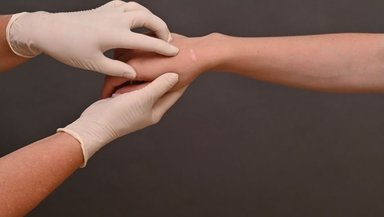
Recognizing and Responding to Complications After Free Flap Reconstruction

Medicine Made Simple Summary
Microvascular free flap reconstruction rebuilds damaged body parts using healthy tissue moved from another area of the body along with tiny blood vessels. Surgeons reconnect these vessels under a microscope so the tissue stays alive in its new location. After surgery, careful monitoring is important because early problems with blood flow, infection, or wound healing can occur. Recognizing warning signs early and responding quickly helps protect the reconstructed tissue and ensures safer recovery.
Introduction
Most patients recover smoothly after microvascular free flap reconstruction. However, like all major surgeries, complications can sometimes occur. Knowing what warning signs to look for and when to contact your doctor can make a big difference in recovery outcomes while understanding realistic Free Flap Recovery Expectations. This guide explains possible complications in simple language so patients and caregivers feel prepared and confident.
Why Monitoring After Surgery Is Important
A free flap survives only if healthy blood flow continues through the reconnected vessels. In the early days after surgery, doctors and nurses monitor the reconstructed tissue closely. Even after going home, patients and caregivers play an important role in observing healing.
Early detection of problems allows doctors to act quickly. This can save the flap and prevent serious complications.
Suggested image: Nurse checking reconstructed flap in hospital.
Normal Healing vs Warning Signs
It is normal to have swelling, mild pain, bruising, and tiredness after surgery. These improve gradually.
Warning signs feel different. They may appear suddenly or worsen instead of improving. Understanding the difference prevents unnecessary fear while ensuring real problems are not ignored.
Signs of Blood Flow Problems in the Flap
The most serious early complication is reduced blood flow to the reconstructed tissue. Patients or caregivers may notice sudden change in color of the flap, such as turning very pale, dark, or bluish. The area may feel unusually cold or extremely swollen.
These changes require urgent medical attention. Hospitals provide emergency contact instructions before discharge. Quick action can often fix the problem if caught early.
Suggested image: Simple illustration showing normal vs concerning flap color.
Signs of Infection
Infection can occur at either the reconstructed site or donor site. Warning signs include increasing redness, warmth, swelling, pus discharge, fever, or foul smell from the wound.
Infections are treatable when reported early. Ignoring symptoms may lead to delayed healing or hospital readmission.
Delayed Wound Healing
Sometimes surgical wounds take longer to close. This may show as persistent open areas, continuous oozing, or breakdown of stitches.
Doctors monitor wound healing during follow-up visits. If healing is slow, they may adjust dressings or medications. Early reporting helps prevent worsening.
Excessive Pain or Sudden Pain Increase
Some pain is normal after surgery. However, sudden sharp pain or rapidly increasing pain at the flap or donor site may signal a problem related to recovery, making Free Flap Recovery Pain Management discussions important.
Patients should not hesitate to contact their medical team if pain changes suddenly or feels unusual.
Fluid Collection Under the Skin
Fluid may sometimes collect near surgical areas. This may appear as a soft swelling that feels like a water pocket. Doctors can easily treat this if identified early.
Reporting new or growing swelling helps avoid infection or wound problems.
Numbness or Weakness That Worsens Suddenly
Gradual numbness or weakness is expected after surgery. However, sudden loss of movement, sudden severe weakness, or rapid spread of numbness should be reported for medical evaluation.
When to Contact the Doctor Immediately
Patients should contact the surgical team immediately if they notice sudden color changes in the reconstructed tissue, fever, increasing redness, pus discharge, sudden swelling, unusual pain, or general feeling of being unwell.
Hospitals provide emergency contact numbers. Keeping these accessible reduces panic if concerns arise.
How Follow-Up Visits Prevent Complications
Scheduled follow-up visits allow doctors to check healing progress, remove stitches, adjust wound care, and detect early problems. Attending all appointments is important even if healing seems fine.
Follow-ups protect long-term outcomes.
Suggested image: Doctor examining healing flap during follow-up.
How Caregivers Can Help Monitor Recovery
Caregivers often notice changes before patients do. Helping with wound care, checking skin color, reminding medications, and noting any changes supports early detection.
Caregivers should feel comfortable contacting the medical team if concerned.
Reducing the Risk of Complications
Following discharge instructions, keeping wounds clean, avoiding smoking, eating nutritious food, and attending therapy sessions all reduce complication risks as part of proper Free Flap Surgery Preparation and recovery care.
Patients who follow care plans closely usually heal smoothly.
Staying Calm and Prepared
Knowing possible complications does not mean expecting problems. Most patients recover without serious issues. Being informed simply means being prepared.
Prepared patients feel more confident and less anxious during recovery.
Conclusion
If you or your loved one is planning microvascular free flap reconstruction, ask your surgical team for clear instructions on post-surgery warning signs and emergency contact steps. Knowing what to watch for helps protect healing and ensures quick action if needed. Schedule a consultation with a reconstructive microsurgery specialist to discuss your personalized recovery and safety plan.
References and Sources
American Society of Plastic Surgeons – Microsurgical Free Flap Safety
Johns Hopkins Medicine – Reconstructive Surgery Complications
British Association of Plastic, Reconstructive and Aesthetic Surgeons
Memorial Sloan Kettering Cancer Center – Flap Monitoring and Recovery Guides