






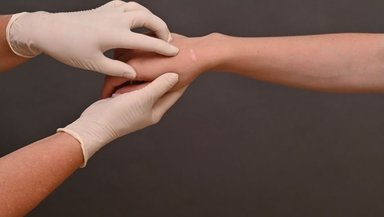

Yes, it is a complicated process, yet seasoned teams with positive results regularly conduct it.

Table of Contents 
- Introduction
- What Is Microvascular Free Flap Reconstruction?
- When Is Microvascular Free Flap Reconstruction Needed?
- Preparing for Microvascular Free Flap Reconstruction
- How Is the Procedure Performed?
- Caring for Yourself After Surgery
- Possible Risks and Complications
- Benefits of Microvascular Free Flap Reconstruction
- Why Choose Gleneagles Hospitals for Microvascular Reconstruction?
- Conclusion
Introduction
Microvascular Free Flap Reconstruction is a new form of surgery, which is applied to reconstruct some of the damaged or removed limbs in the body caused by cancer, trauma, infection, and birth conditions. This surgery focuses on restoring the appearance while also enhancing the quality of life and function.
Loss of tissue may impact the daily activities, confidence and emotional well-being of a large number of patients. The goal of microvascular repair is to replace the damaged region with healthy tissue from another body part. The procedure is carried out at the Gleneagles Hospitals under the supervision of qualified staff who are focused on patient care, safe operation, and natural results.
What Is Microvascular Free Flap Reconstruction?
A process known as microvascular free flap reconstruction involves removing healthy tissue from one part of the body and moving it to another location that needs treatment. This tissue can be skin, muscle, fat, or bone, depending on the patient's needs.
The use of microsurgery is what makes this method unique. Surgeons use high magnification to precisely join small blood arteries so that the transplanted tissue is supplied with blood. This allows the tissue to survive and heal naturally in its new location. The aim is to restore the damaged site in a manner that appears natural, works efficiently and facilitates the long-term recovery.
When Is Microvascular Free Flap Reconstruction Needed?
This type of reconstruction is typically recommended when a large or complex region has to be rebuilt, and the more straightforward surgical options are insufficient.
When it's Recommended:
- Extensive Defects: Huge holes left by tumour resection (e.g., oral, throat, jaw) or extreme injury, in which the adjacent tissue will not stretch to cover.
- Reconstruction of Complex Structures: To replace missing bone (jaw), muscle (tongue), and even entire limbs/digits.
- Functional & Aesthetic Restoration: To rehabilitate speech, swallowing, chewing, or an appearance that is natural following significant tissue loss.
- When Local Options Fail: In case local flaps (tissue surrounding) or skin grafts are insufficient or ineffective.
Preparing for Microvascular Free Flap Reconstruction
Preparation plays a vital role in successful outcomes. Before surgery, patients undergo a thorough assessment.
This usually includes:
- Previous and current health and medical history review.
- Imaging tests to plan the surgery.
- Blood tests and heart and lung evaluations.
- Discussion about medications and lifestyle habits.
Before surgery, patients can be instructed to quit smoking, treat their current health conditions and adhere to certain instructions. Physicians also take time to explain to patients how the procedure will be performed, how they will recover, and the expected outcome, which makes them feel knowledgeable and reassured.
Your health matters – get expert advice today.
How Is the Procedure Performed?
Microvascular Free Flap Reconstruction is a general anaesthetic procedure performed by the surgical team. The surgery may take several hours, depending on the complexity.
During the procedure:
- Healthy tissue is carefully harvested from a donor site on the body.
- The damaged area is prepared to receive the tissue.
- Tiny blood vessels are connected using specialised instruments.
- The tissue is shaped and placed to restore form and function.
Every step is done with precision to ensure proper blood flow and healing. The donor area is also closed carefully to minimise discomfort and scarring.
Caring for Yourself After Surgery
Good post-surgery care helps ensure an easy recovery. Patients are instructed on caring for the donor site and surgical sites at home.
Donor Site Care
The way the donor site is cared for depends on how the wound was closed:
- Stitches (sutures): The area where the skin margins were pulled together may appear as a straight line.
- Skin graft: In case of a skin graft, the area will be covered with a large dressing. This dressing is usually removed 5-7 days after the operation. The nurse gives home care instructions before discharge.
When the site of donation is on the abdomen, it is recommended that patients:
- Keep knees slightly elevated while lying down.
- When sitting, keep your feet on a stool.
Regardless of closure type, it is essential to avoid stretching or pulling the donor site.
Removal of Sutures
- Sutures are usually taken out 7-10 days after the operation.
- This is because the area might have undergone radiation therapy recently, and the sutures might take as long as 2-3 weeks or more.
Physical Activity Guidelines
To protect newly connected blood vessels:
- Specific movements and exercises may be restricted.
- Limits depend on the flap type and location.
- For donor sites on the upper back, lifting arms above shoulder level may be limited.
Diet and Clothing
- The majority of patients can resume a regular diet.
- Surgery involving the mouth may necessitate liquid or pureed food.
Light-weight, casual apparel is advisable. Pressure or tight garments on the part of surgery is not supposed to be used to prevent blood flow.
Caring for Surgical Sites at Home
Patients are advised to:
- Avoid pressure, heat, or cold on surgical areas.
- Keep incisions clean and dry.
- Avoid baths, swimming pools, and strenuous exercise until healing is complete.
- Cover the recovered scars with sunscreen (SPF 30 or more) when exposed to the sun.
Adhering to the medical advice helps heal safely and reduces the risk of complications.
Possible Risks and Complications
Although the Microvascular Free Flap Reconstruction is relatively safe in the hands of highly qualified surgeons, there are risks associated with every surgery.
Possible complications include:
- Infection
- Bleeding
- Problems with blood flow to the flap
- Delayed healing
- Donor site discomfort
At the Gleneagles Hospitals, patient safety is achieved by careful planning and advanced monitoring systems, as well as experienced teams.
Benefits of Microvascular Free Flap Reconstruction
The benefits of this procedure go beyond physical repair.
Key advantages include:
- Restoration of appearance and body structure.
- Daily functional improvement, e.g. speech or movement.
- Better healing of complex wounds.
- Prolonged and natural outcomes.
- Better confidence and life quality.
Using the patient's own tissue, the reconstruction in question is often more natural and evolves over time.
Why Choose Gleneagles Hospitals for Microvascular Reconstruction?
Gleneagles Hospitals is considered the best in the field of reconstructive and microsurgical care, with the latest technology and patient-centred care.
- Expert Multidisciplinary Team
The treatment is provided by highly experienced anaesthetists, nurses, rehabilitation specialists, plastic surgeons, and reconstructive specialists. - Advanced Surgical Techniques
Microsurgical instruments and procedures are employed in modern settings to ensure accuracy and reliable results. - Comprehensive Post-Surgery Support
Constant attention is given to patients, monitoring their recovery through rehabilitation. - Personalised and Compassionate Care
Every patient's treatment plan is determined by their disease, goals, and overall well-being.
Conclusion
Microvascular Free Flap Reconstruction is an effective surgical procedure that can be used to regain the form, functionality, and self-esteem that have faded due to tissue loss. The process is complicated, but it may change lives when in the hands of qualified experts.
At Gleneagles Hospitals, patients receive professional care, compassionate support, and clear instructions. With appropriate medical staff and individual attention, patients may expect the healing process to be more successful, their functionality to improve, and their well-being to improve.
Dr Raghav Mago
Consultant
Dr Syed Murtuza Ahmed
Consultatant Surgical Oncologist
Explore Our Blogs
View All Plastic, Cosmetic and Reconstructive Surgery
What Is Microvascular Free Flap Reconstruction? A Beginner’s Guide for Patients and Families
 Plastic, Cosmetic and Reconstructive Surgery
Preparing for Free Flap Surgery: Questions to Ask Your Surgeon
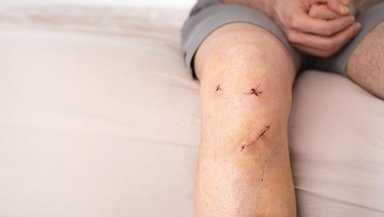 Plastic, Cosmetic and Reconstructive Surgery
Numbness, Strength, and Function After Free Flap Reconstruction: What’s Normal?
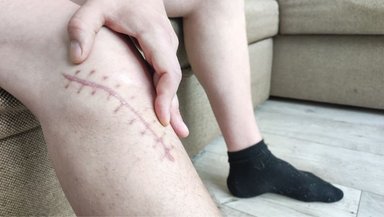 Plastic, Cosmetic and Reconstructive Surgery
Managing Pain and Mobility After Free Flap Surgery — A Simple Patient Guide
Frequently Asked Questions
Is Microvascular Free Flap Reconstruction a major surgery?
How long does recovery take after the surgery?
The recovery is not consistent; however, the majority of patients resume normal functioning gradually within weeks to months.
Will there be scars after the procedure?
The donor and reconstructed areas may scar, although the surgeons aim to keep the scars small and well hidden.
Is the reconstructed tissue permanent?
Yes, when cured, the transferred tissue becomes a living component of the body.
Will I need rehabilitation after surgery?
Depending on the reconstructed area, some patients respond well to physiotherapy or rehabilitation.

