Numbness, Strength, and Function After Free Flap Reconstruction: What’s Normal?
Medicine Made Simple Summary
Microvascular free flap reconstruction rebuilds damaged body parts using healthy tissue taken from another area of the same person’s body. The tissue is moved with tiny blood vessels and reconnected under a microscope to keep it alive in its new location. After surgery, nerves, muscles, and skin need time to adapt. Temporary numbness, weakness, or functional changes are normal during recovery. With healing and therapy, most patients regain good sensation, strength, and everyday function over time during Microvascular Free Flap Recovery.
After microvascular free flap surgery, many patients ask the same questions. Will I feel numbness? Will I lose strength? Will I return to normal function? These concerns are natural. This guide explains these changes in simple language so patients and families understand what is normal, what improves with time, and when to seek medical advice, including how proper Free Flap Surgery Preparation supports recovery.
Why Numbness Happens After Surgery
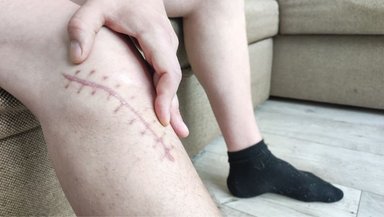
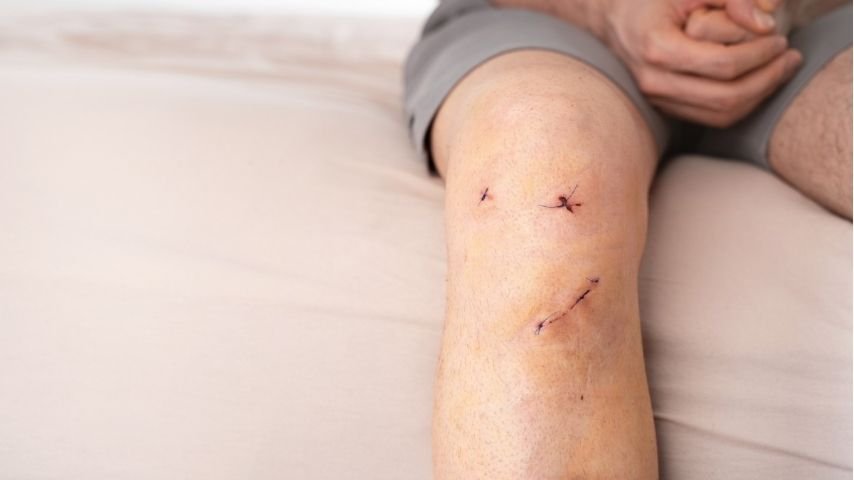
During free flap reconstruction, skin and tissue are moved from one part of the body to another. In this process, small nerves in the donor and reconstructed areas may be cut or stretched. This can lead to numbness or reduced sensation in both areas.
Numbness does not mean the surgery failed. It is part of normal healing. Some nerves slowly reconnect over time. Others may not fully return, but the body usually adapts well.
Knowing this in advance prevents unnecessary worry after surgery.
Suggested image: Simple illustration of nerves in skin layers.
What Kind of Sensation Changes to Expect
Patients may notice tingling, reduced touch sensation, or a feeling of tight skin. Some describe it as pins and needles. Others feel areas of complete numbness.
These sensations may change from week to week. Early on, numbness is usually more noticeable. Over months, sensation may partially return or the brain adapts to the new feeling.
Every patient’s experience is different. Doctors monitor sensation during follow-up visits.
Will Strength Be Affected
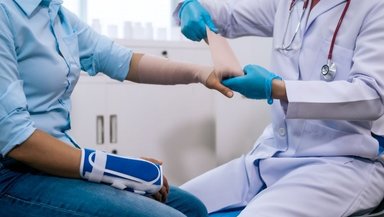
Strength changes depend on where the donor site is located. If muscle tissue is used, there may be temporary weakness in that area. For example, a thigh donor site may feel weaker when climbing stairs at first. An arm donor site may feel tired during lifting.
Surgeons choose donor sites carefully to avoid major long-term strength loss. With physiotherapy and daily activity, muscles usually regain strength over time.
Most patients return to normal daily tasks after recovery.
Suggested image: Patient doing strengthening exercises in physiotherapy.
Function at the Reconstructed Site
Free flap reconstruction often restores function that was lost due to cancer, injury, or infection. For example, jaw reconstruction helps chewing. Tongue reconstruction improves speech and swallowing. Breast reconstruction restores body shape.
In the early weeks, function may feel limited due to swelling and healing. Over time, therapy and practice help regain better control and comfort.
Functional improvement continues for several months after surgery.
Role of Therapy in Regaining Function
Speech therapy, swallowing therapy, and physiotherapy play an important role in recovery. Therapists guide safe exercises to improve movement, coordination, and strength.
Attending therapy sessions regularly leads to better long-term results. Therapy may feel slow at first, but progress builds steadily.
Suggested image: Speech therapist working with a head and neck reconstruction patient.
How Long Does It Take for Nerves to Heal
Nerve healing is slow. Sensation may start improving after a few months. In some cases, partial sensation returns over a year or more. Some areas may remain slightly numb permanently.
The body adapts well to these changes. Patients usually stop noticing numb areas during daily life over time.
Understanding that nerve healing is slow prevents frustration during recovery.
Managing Daily Life During Sensation Changes
Patients learn to protect numb areas from injury, burns, or cuts because reduced sensation may delay noticing harm. Doctors and therapists give safety advice during follow-up visits.
Over time, patients naturally adjust to sensation changes and carry out daily activities normally.
Emotional Impact of Sensation and Strength Changes
Temporary weakness or numbness can feel discouraging. Some patients worry these changes will be permanent. Open discussions with doctors and support groups help manage these fears.
Celebrating small improvements builds confidence. Emotional healing moves alongside physical healing.
When to Contact the Doctor
Patients should contact their doctor if numbness suddenly worsens, if new severe weakness appears, or if there is persistent pain, swelling, or redness. Regular follow-ups ensure healing is on track and help detect rare Free Flap Surgery Complications early.
Life After Long-Term Healing
After full recovery, most patients live normal, active lives. They eat, speak, walk, work, and socialize comfortably. Minor numbness or scar areas may remain, but they rarely limit daily activities.
Understanding the healing process helps patients remain patient and positive.
Conclusion
If you or your loved one is planning microvascular free flap reconstruction, ask your surgeon about expected sensation and strength changes. Knowing what to expect helps you prepare for recovery with confidence. Schedule a consultation with a reconstructive microsurgery specialist to discuss your personalized healing and rehabilitation plan.
References and Sources
American Society of Plastic Surgeons – Microsurgical Reconstruction
Johns Hopkins Medicine – Reconstructive Microsurgery
British Association of Plastic, Reconstructive and Aesthetic Surgeons
National Cancer Institute – Reconstructive Surgery After Cancer Treatment