Recovery After Microvascular Free Flap Reconstruction: A Week-by-Week Guide
Medicine Made Simple Summary
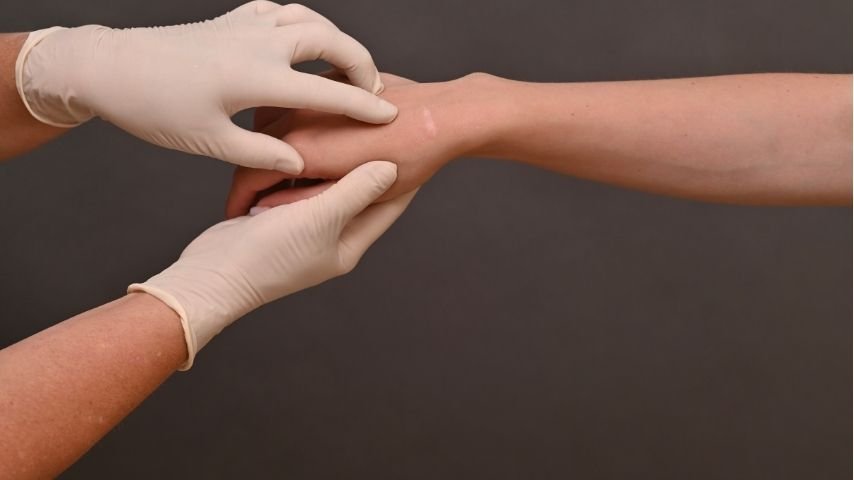
Microvascular free flap reconstruction rebuilds damaged body parts using healthy tissue taken from another area of the same person’s body. The tissue is moved with tiny blood vessels and reconnected under a microscope to keep it alive in its new location. After surgery, both the reconstructed area and the donor site need time to heal. Recovery happens in stages, starting in the hospital and continuing at home. Understanding this healing journey helps patients and families prepare for a smooth and confident recovery and clearer Free Flap Recovery Expectations.
Introduction
One of the most common questions patients ask after being advised free flap surgery is, “How long will recovery take?” The answer is not a single number because healing happens gradually. Knowing what to expect at each stage makes the journey less stressful and supports proper Free Flap Surgery Preparation. This guide explains recovery after microvascular free flap reconstruction in simple terms so patients and caregivers can feel prepared and confident.
The First 24 Hours After Surgery
Immediately after surgery, patients are shifted to a recovery room or intensive care unit. Doctors and nurses closely monitor the reconstructed tissue to ensure good blood flow. This frequent checking may feel worrying, but it is routine and essential. Pain medicines are given to keep patients comfortable as part of early Free Flap Recovery Pain Management. Swelling and dressings are normal. Family members usually get updates while the patient rests.
Days 2 to 5: Close Monitoring and Rest
During the first few days, the main goal is to ensure the free flap remains healthy. Nurses check color, warmth, and blood flow of the reconstructed area regularly. Drains may be present to remove extra fluid. Patients may start sitting up and doing gentle movements with assistance.
Eating and drinking may be adjusted depending on the reconstruction site. Doctors explain when normal food can be resumed. Tiredness is common. Rest is part of healing.
Days 6 to 10: Preparing for Discharge
By the end of the first week, swelling starts reducing. Dressings are changed and stitches are checked. Many patients begin walking short distances with support. Pain usually becomes easier to manage with oral medicines.
Doctors assess both the reconstructed site and donor site before discharge. Patients and caregivers are taught how to care for wounds at home. Discharge typically happens between one to two weeks after surgery.
Suggested image: Nurse explaining wound care to patient and caregiver.
Weeks 2 to 4: Early Home Recovery
The first weeks at home focus on wound care, rest, and gentle activity. Follow-up visits are scheduled to remove stitches or staples if needed. Swelling continues to reduce. Scars begin forming.
Patients are advised to avoid heavy lifting and strenuous activity. Good nutrition and hydration support healing. It is normal to feel low energy during this stage.
Caregivers play an important role in helping with daily tasks and emotional support.
Weeks 4 to 8: Regaining Strength
During this phase, patients slowly return to routine activities. Physiotherapy, speech therapy, or swallowing therapy may start if recommended. Walking distance improves. Discomfort at donor sites reduces.
Scars may feel firm or tight, which is normal. Doctors may suggest scar massage or creams. Confidence gradually grows as the body adapts.
Suggested image: Patient doing physiotherapy session.
Months 3 to 6: Visible Improvement
By three months, most swelling has settled. The reconstructed area starts looking more natural. Donor site scars soften. Energy levels improve. Many patients return to work and social activities during this period.
Therapies may continue to refine speech, swallowing, or movement. Follow-up appointments monitor long-term healing and function.
Patience during this stage brings rewarding results.
Beyond 6 Months: Long-Term Recovery
After six months, healing continues internally. Sensation may improve slowly. Scars keep fading. Minor revision procedures may sometimes be planned to improve appearance or function.
Most patients feel confident resuming full daily life. The reconstructed area becomes part of the body’s normal function.
Understanding that healing is a long journey helps set realistic expectations.
Common Concerns During Recovery
Patients often worry about pain, swelling, scarring, and fatigue. These are normal parts of healing. Doctors provide medicines and guidance to manage discomfort. Reporting unusual redness, sudden pain, or discharge early helps prevent complications.
Asking questions during follow-up visits keeps recovery on track.
Emotional Recovery Matters Too
Physical healing is only one part of recovery. Many patients experience emotional ups and downs. Support from family, friends, counselors, or patient groups helps manage stress.
Feeling nervous or impatient during recovery is normal. With time, most patients feel positive about their progress.
How Families Can Support Recovery
Families help by assisting with wound care, preparing healthy meals, encouraging gentle movement, and providing emotional comfort. Attending follow-up visits together helps everyone understand the healing plan.
Recovery becomes easier when patients feel supported.
When to Call the Doctor
Doctors advise contacting the hospital if there is sudden swelling, color change in the reconstructed area, fever, increasing pain, or unusual discharge. Early attention can prevent serious problems.
Keeping emergency contact numbers handy provides reassurance.
Conclusion
If you or your loved one is preparing for microvascular free flap reconstruction, speak to your surgical team about the full recovery plan. Understanding each stage of healing helps you prepare mentally and physically. Book a consultation with a reconstructive microsurgery specialist to discuss recovery timelines and support services available for you.
References and Sources
American Society of Plastic Surgeons – Microsurgical Free Flap Reconstruction
Johns Hopkins Medicine – Reconstructive Microsurgery
British Association of Plastic, Reconstructive and Aesthetic Surgeons
National Cancer Institute – Reconstructive Surgery After Cancer Treatment