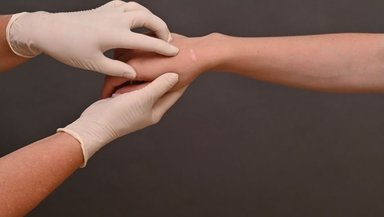
Why Hand Transplants Are Still Rare Despite Medical Advances
Medicine Made Simple
A hand transplant is a complex surgery where doctors attach a donor hand from a deceased person to someone who has lost their hand. It sounds like a major medical breakthrough, and it is. But even with modern technology, hand transplants are still very rare around the world. This is because the surgery is difficult, donor hands are hard to find, recovery takes years, and patients must take lifelong medicines to prevent rejection. Since the surgery improves quality of life but does not save life, doctors and patients must carefully weigh the risks before making this decision.
Understanding What a Hand Transplant Really Is
When people first hear about a hand transplant, it often sounds like something from the future. The idea that doctors can attach a new hand to someone who lost theirs feels almost unbelievable. In reality, hand transplantation is one of the most advanced procedures in reconstructive surgery, but it is also one of the most demanding.
A hand transplant is not simply attaching a donor hand to the arm. Surgeons must connect bones, blood vessels, muscles, tendons, nerves, and skin with extreme precision. Blood flow must return quickly, and nerve healing must happen over time for movement and sensation to improve.
The goal is not just appearance. It is to restore function, independence, and emotional well-being. Patients hope to hold objects again, perform daily tasks, and in some cases regain touch and feeling. This makes hand transplantation very meaningful, but it also makes the process much more serious than people imagine.
Even though medical science has advanced greatly, hand transplants remain uncommon because success depends on much more than surgical skill.
Hand Transplants Are Rare Worldwide
Many people assume hand transplantation is becoming common because medicine has improved so much. In reality, it is still very rare.
Cleveland Clinic reports that since the first successful hand transplant in 1999, only around 150 hand transplants have been performed worldwide. This is a surprisingly small number considering how many people live with hand loss.
This number shows that hand transplantation is not a routine surgery offered everywhere. Only a few highly specialized hospitals in the world have the experience, surgical teams, and long-term rehabilitation systems needed to perform it safely.
Unlike common surgeries such as knee replacement or kidney transplant, hand transplantation requires a rare combination of expertise. This alone makes access very limited for most patients.
Finding the Right Donor Is Very Difficult
One major reason hand transplants are rare is donor shortage.
A donor hand must come from a deceased person whose family agrees to donation. But unlike internal organs such as kidneys or liver, visible body parts like hands involve emotional and cultural concerns that make donation more sensitive.
The donor must also match the patient in several important ways. Blood type must be compatible. Skin color should be similar. Hand size, bone structure, gender, and tissue compatibility all matter. The goal is both medical safety and a natural appearance.
Finding a perfect match is much harder than many people think. Even if a patient is approved for surgery, they may wait a long time for a suitable donor.
Some patients never receive a match at all.
This makes hand transplantation very different from choosing a prosthetic hand, which can be planned without waiting for donor availability.
The Surgery Itself Is Extremely Complex
Hand transplantation is not a short operation. It often takes 18 to 24 hours or even longer depending on the complexity.
During surgery, doctors first attach the bones to create structure. Then they connect arteries and veins to restore blood circulation. After that, they repair tendons and muscles so movement becomes possible. Finally, they carefully join nerves because they are essential for feeling and function.
Every step must be precise. If blood flow is poor, the transplant can fail. If nerves do not heal well, movement and sensation may remain limited.
This surgery requires a large team of plastic surgeons, orthopedic surgeons, anesthesiologists, transplant specialists, nurses, and rehabilitation experts working together.
Not every hospital can provide this level of care. That is another reason hand transplants remain rare.
It Is Not a Life-Saving Surgery
This is one of the biggest reasons doctors are cautious.
A hand transplant improves quality of life, but it does not save life.
This is very different from heart, liver, or kidney transplantation. Those surgeries are often necessary for survival. Without them, the patient may die.
A person can live without a hand. Life becomes more difficult, but survival is not directly threatened.
Because of this, doctors must ask an important question: is it worth exposing a patient to serious lifelong medical risks for a surgery that is not essential for survival?
This question does not have a simple answer.
For some patients, restoring hand function and emotional well-being is life-changing enough to justify the risk. For others, a prosthetic hand may be a safer and more practical option.
This ethical balance makes doctors very careful about recommending hand transplantation.
Lifelong Anti-Rejection Medicines Are a Major Challenge
After a hand transplant, the immune system sees the donor hand as foreign tissue and may try to attack it. This is called rejection.
To prevent rejection, patients must take immunosuppressants after hand transplant procedures for life.
These medicines are not temporary. They are permanent.
They help protect the new hand, but they also create serious health risks. They can increase the chance of infections, high blood pressure, kidney damage, liver problems, diabetes, and even some cancers over time.
This is a major concern because the patient is taking these risks for a surgery that improves function, not survival.
Many patients and even doctors hesitate because of this reason alone.
Cleveland Clinic explains that lifelong immunosuppressive therapy is required after hand transplantation, and this is one of the biggest reasons the procedure is limited to carefully selected patients.
Recovery Takes Years, Not Weeks
Many people focus only on the surgery, but recovery is often the hardest part.
A hand transplant is not successful just because the operation went well. The patient must go through years of rehabilitation to regain movement and sensation.
Hand therapy often starts immediately after surgery and continues almost every day in the early months. Patients practice gripping, finger movement, wrist control, and daily activities like eating, dressing, and writing.
Nerves grow very slowly. Feeling may take months or years to return. Some patients regain touch, warmth, and fine motor control, while others experience only partial improvement.
This long recovery requires patience, emotional strength, and strong family support during Hand Transplant Recovery.
Some patients find the rehabilitation more difficult than the surgery itself.
This is why transplant teams carefully choose people who are mentally and physically ready for the long commitment.
Not Every Patient Qualifies
Even if someone wants a hand transplant, they may not be a suitable candidate.
Doctors use strict screening before approval.
Patients must usually be physically healthy enough for major surgery and lifelong medication. Smoking, uncontrolled diabetes, severe heart disease, active infection, or poor medication habits may reduce Hand Transplant Eligibility.
Mental health is also important. Patients must understand the risks and be emotionally prepared for a long recovery process. Strong family support is often necessary because rehabilitation can be exhausting.
Doctors also look at the type and level of amputation. Some cases are more suitable for transplant than others.
Mayo Clinic and Cleveland Clinic both emphasize that patient selection is one of the most important parts of success.
This careful selection protects both the patient and the transplant.
The Cost Is Extremely High
Cost is another major reason hand transplantation remains rare.
The surgery itself is expensive because it involves donor coordination, multiple specialist teams, long operating hours, intensive hospital care, and highly specialized rehabilitation.
But the cost does not stop there.
Patients must also pay for lifelong medicines, regular follow-up visits, lab tests, therapy sessions, and management of complications if rejection occurs.
In many countries, insurance coverage for hand transplantation is limited because it is considered quality-of-life surgery rather than life-saving treatment.
This makes access difficult for many families.
Even in wealthy healthcare systems, the financial burden can be significant, making hand transplant cost an important consideration.
For some patients, advanced prosthetic hands may provide a more practical and affordable long-term solution.
Psychological Adjustment Can Be Difficult
Many people imagine that receiving a new hand would only bring happiness, but emotional adjustment can be complicated.
Some patients struggle with what doctors call psychological rejection. The transplanted hand may feel unfamiliar or emotionally difficult to accept. Some describe it as feeling like someone else’s hand.
At the same time, there may be fear about rejection, anxiety about medications, and frustration with slow recovery.
Family expectations can also create pressure. Some patients feel they must show fast improvement, even when healing is naturally slow.
Mental health support is an important part of transplant care, but it is often underestimated.
A successful transplant is not only about blood flow and nerve healing. It is also about identity, confidence, and emotional acceptance.
Prosthetic Hands Are Often a Strong Alternative
Because of all these challenges, many patients choose prosthetic hands instead of transplantation.
Modern prosthetic technology has improved greatly. Myoelectric prosthetic hands can respond to muscle signals and help people perform many daily tasks with good independence.
A prosthetic does not require lifelong medicines, donor matching, or major transplant risks.
It may not provide natural touch, but it offers safety, flexibility, and practical function. This is a key factor in the discussion of hand transplant vs prosthetic hand options.
For many patients, this balance makes more sense.
This is one reason hand transplantation remains rare. It is not because it does not work. It is because there is another option that is often safer and easier to manage.
The decision depends on personal goals, health, and lifestyle.
Conclusion
Hand transplantation is one of the most remarkable achievements in modern medicine, but it is still rare for very good reasons.
The surgery is complex, donor hands are difficult to find, recovery takes years, and lifelong anti-rejection medicines bring serious health risks. Since the procedure improves quality of life rather than saves life, doctors must carefully balance benefit and risk.
Not every patient is suitable, and not every patient wants the responsibility that comes with transplantation.
For some people, a hand transplant offers hope, emotional healing, and the possibility of natural movement and feeling. For others, a prosthetic hand provides a safer and more practical path.
The rarity of hand transplantation does not mean failure. It means the decision is serious and must be made with honesty, planning, and expert guidance.
If you or someone in your family is living with hand loss, speak with both a reconstructive surgeon and a prosthetic specialist before making a decision. Understanding all options clearly can help you choose the path that supports not just movement, but long-term health, independence, and confidence.
References and Sources
Cleveland Clinic – Hand Transplant
Mayo Clinic – Hand Transplant Overview
National Academies – Advancing Face and Hand Transplantation