Coping and Support After Free Flap Surgery: A Guide for Patients and Caregivers
Medicine Made Simple Summary
Microvascular free flap reconstruction rebuilds damaged body parts using healthy tissue taken from another area of the same person’s body. The tissue is moved with tiny blood vessels and reconnected under a microscope so it stays alive in its new location. This surgery restores structure and function after cancer, injury, or infection. Recovery takes time and involves physical and emotional healing as part of Free Flap Surgery Recovery. Support from family, caregivers, and medical teams plays a major role in helping patients regain confidence and normal life.
Introduction
Recovery after microvascular free flap reconstruction is not only about physical healing. It is also an emotional journey. Patients and caregivers often feel unprepared for the stress, patience, and support needed during recovery. This guide explains how to cope after surgery, how families can help, and how emotional well-being plays a key role in full healing while understanding available Free Flap Reconstruction Options.
Why Emotional Recovery Matters
After major surgery, it is normal to feel relieved, anxious, frustrated, or low at different times. Pain, tiredness, and changes in appearance or function can affect mood. Some patients feel isolated during long recovery periods.
Understanding that emotional ups and downs are normal helps reduce self-blame. Healing the mind is just as important as healing the body.
Suggested image: Patient sitting with family member in a calm recovery environment.
Common Feelings After Surgery
Patients may feel impatient about slow recovery. Some worry about scars or body image. Others feel dependent on family and struggle with loss of independence. Caregivers may feel tired or unsure how to help.
These feelings are common, and recognizing typical Free Flap Reconstruction Recovery Symptoms helps reduce stress and strengthens family bonds.
How Family and Caregivers Can Help
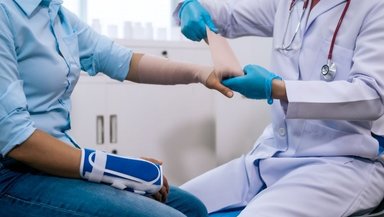
Caregivers play a major role in recovery. Helping with meals, medicines, wound care, and hospital visits makes daily life easier for the patient. Simple emotional support like listening, encouraging gentle movement, and celebrating small progress boosts confidence.
Caregivers also need rest. Sharing responsibilities among family members prevents burnout.
Building a Daily Routine
Having a simple daily routine gives recovery structure. Fixed times for medicines, meals, rest, and gentle activity help the body heal and reduce anxiety. Small achievable goals, like walking a little farther each day, keep motivation high.
Routine turns recovery from an overwhelming journey into manageable steps.
Staying Connected With Others
Some patients feel alone during recovery. Staying connected with friends, relatives, or patient support groups helps reduce isolation. Talking to others who have gone through similar surgery provides comfort and practical tips.
Hospitals may guide patients to counseling or support services when needed.
Suggested image: Small patient support group discussion.
Dealing With Changes in Appearance
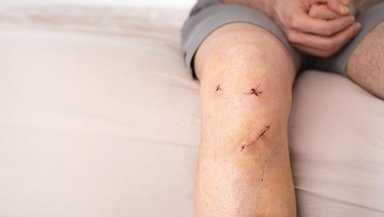
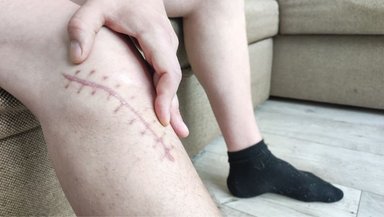
Scars, swelling, or reconstructed body parts may look different than expected at first. This can affect confidence. It is important to remember that appearance improves gradually over months.
Open discussion with doctors about expected changes and final results helps set realistic expectations. Emotional acceptance takes time.
Managing Stress and Anxiety
Relaxation techniques, light music, reading, or meditation help manage stress. Some patients benefit from speaking with a counselor or psychologist, especially after cancer-related surgeries.
Asking for emotional support is a sign of strength, not weakness.
Celebrating Recovery Milestones
Recovery after free flap surgery is a long journey. Celebrating small achievements like sitting up independently, walking unaided, or returning home helps keep spirits high.
Recognizing progress builds confidence for the next stage of healing.
When to Seek Professional Help
If patients feel persistently low, anxious, or withdrawn, professional counseling can help. Caregivers should also seek help if they feel overwhelmed.
Mental health is part of complete recovery and deserves attention.
Returning to Normal Life
With time, patients regain independence, return to work, social life, and hobbies. Emotional strength grows alongside physical recovery. Many patients emerge from the journey feeling resilient and grateful.
Understanding that recovery has both physical and emotional stages helps patients and caregivers stay united and positive.
Conclusion
If you or your loved one is preparing for or recovering from microvascular free flap reconstruction, speak to your healthcare team about emotional and caregiver support services. Healing is easier when you are supported physically and emotionally. Schedule a follow-up consultation to discuss recovery guidance and support resources available for you.
References and Sources
American Society of Plastic Surgeons – Patient Recovery Support
Johns Hopkins Medicine – Reconstructive Surgery Recovery
British Association of Plastic, Reconstructive and Aesthetic Surgeons
National Cancer Institute – Coping With Cancer and Surgery
Memorial Sloan Kettering Cancer Center – Patient and Caregiver Support Guides