10 Things Patients Wish They Knew Before Microvascular Free Flap Surgery

Medicine Made Simple Summary
Microvascular free flap reconstruction is a surgery that rebuilds body parts using healthy tissue taken from another area of the same person’s body. This tissue is moved along with tiny blood vessels and reconnected under a microscope so it survives in its new place. The procedure is commonly used after cancer surgery, trauma, or infection to restore shape and function. It is a long surgery with a gradual recovery, but it offers natural and long-lasting reconstruction results and requires careful planning for Free Flap Surgery Recovery.
Introduction
Being told you need reconstructive surgery can bring fear, confusion, and many unanswered questions. Patients who have already undergone microvascular free flap reconstruction often say they wish they had known certain things beforehand. This guide brings together those real-world concerns and explains them in simple language. If you or a loved one is preparing for free flap surgery, this article will help you feel more informed and emotionally prepared while understanding available Free Flap Reconstruction Options.
1. The Surgery Takes Many Hours
Many patients are surprised to learn how long free flap surgery lasts. Because surgeons must carefully move tissue and reconnect tiny blood vessels under a microscope, the operation can take six to twelve hours or more. This does not mean something is wrong. It simply reflects the precision required. Knowing this in advance helps families plan waiting time and reduces anxiety on the surgery day.
Suggested image: Illustration of a surgical team working with a microscope in an operating room.
2. You Will Have Two Healing Areas, Not One
Free flap reconstruction involves a donor site and a reconstruction site. Patients often focus only on the area being rebuilt, such as the jaw or breast. But the area where tissue is taken from also needs healing. There may be soreness, stiffness, or scarring in both places. Understanding this early helps set realistic recovery expectations.
Suggested image: Diagram showing donor site and reconstruction site on the body.
3. The First Few Days Need Close Monitoring
After surgery, doctors and nurses check the reconstructed tissue often to ensure good blood flow. Some patients feel nervous when staff frequently examine the surgical area or use monitoring devices. This is normal and necessary. Early detection of blood flow problems can save the flap. Knowing this reduces fear during hospital stay.
4. Swelling Is Normal at First
Many patients worry when they see swelling in the reconstructed area. Swelling is expected in the early weeks and slowly improves over time. The final appearance may take months to settle. Understanding this helps avoid disappointment in the early healing stage.
Suggested image: Timeline graphic showing swelling reducing over weeks to months.
5. Recovery Is Gradual, Not Instant
Free flap reconstruction is not a quick fix. Healing happens in stages. Hospital stay may last one to two weeks. Full recovery may take several months. Energy levels may be low at first. Daily activities return slowly. Patients who know this in advance cope better emotionally and physically.
6. Therapy May Be Part of Your Recovery
Depending on where reconstruction is done, speech therapy, swallowing therapy, or physiotherapy may be needed. Some patients are surprised by this. Therapy helps regain normal function and improves long-term results. Seeing therapy as part of healing rather than a setback makes recovery smoother and provides essential Free Flap Surgery Recovery Support.
Suggested image: Patient doing rehabilitation exercises with a therapist.
7. Scars Are Part of the Journey
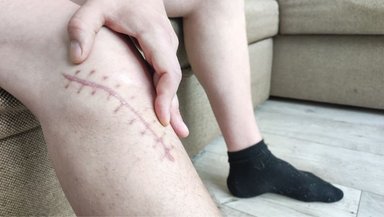
Scars will be present at both surgical sites. Over time, scars usually fade and soften. Surgeons place incisions carefully to reduce visible scarring where possible. Knowing that scars are expected and manageable prevents unrealistic expectations.
8. Emotional Ups and Downs Are Normal
Patients often focus on physical healing and feel unprepared for emotional recovery. It is common to feel low, frustrated, or anxious during long healing periods. Support from family, counselors, or patient groups can help. Understanding that emotional healing takes time is important.
9. Choosing the Right Surgical Team Matters
Free flap surgery requires experience and teamwork. Hospitals with specialized reconstructive microsurgery units and trained surgeons achieve better outcomes. Many patients later say they wish they had asked more questions about surgeon experience and hospital facilities. It is okay to seek second opinions and ask about success rates.
Suggested image: Specialized microsurgery operating theater.
10. Life Usually Improves After Recovery
The biggest fear patients have is whether the surgery will truly help. Most people who undergo free flap reconstruction experience improved function, better appearance, and increased confidence after recovery. Eating, speaking, walking, or social comfort often become easier than before reconstruction. Knowing that long-term benefits are the goal helps patients stay motivated through recovery.
How to Prepare Yourself Before Surgery
Preparation improves outcomes. Doctors may advise stopping smoking, improving nutrition, managing medical conditions, and completing pre-surgery tests. Meeting the surgical team and asking questions builds trust and reduces fear. Bringing a family member to appointments helps remember information and make shared decisions.
Common Questions to Ask Your Surgeon
Patients often feel unsure what to ask. Discuss surgery duration, donor site choice, hospital stay, recovery timeline, possible complications, and rehabilitation plans. Open communication leads to better understanding and realistic expectations.
When Should You Consider Free Flap Reconstruction
If your doctor recommends reconstruction after cancer surgery, trauma, or infection, it is usually to restore essential function and body structure. Taking time to understand the procedure helps you make confident decisions. There is no shame in asking for clarity or second opinions.
Conclusion
If you or a loved one has been advised microvascular free flap reconstruction, schedule a consultation with a specialized reconstructive microsurgery team. Early discussion helps you understand options, recovery plans, and expected results. An informed patient is a confident patient. Speak to a reconstructive surgery specialist to take the next step toward healing.
References and Sources
American Society of Plastic Surgeons – Microsurgical Reconstruction
Johns Hopkins Medicine – Reconstructive Microsurgery
Memorial Sloan Kettering Cancer Center – Head and Neck Reconstruction
British Association of Plastic, Reconstructive and Aesthetic Surgeons
National Cancer Institute – Reconstructive Surgery After Cancer Treatment