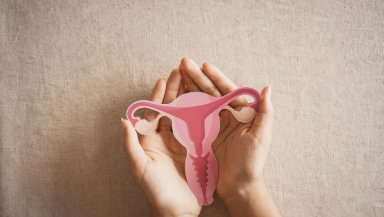
Can You Get Pregnant with Endometriosis? Fertility Treatments and What Doctors Recommend
Medicine Made Simple Summary
Endometriosis is a condition that can affect fertility in some women, but many women with endometriosis are still able to become pregnant. The condition occurs when tissue similar to the lining of the uterus grows outside the uterus, causing inflammation and sometimes scar tissue around the reproductive organs. This can interfere with the normal function of the ovaries, fallopian tubes, or uterus. However, with the right treatment and medical guidance, many women successfully conceive. Understanding how endometriosis and fertility are connected and what treatment options are available can help couples make informed decisions about planning a pregnancy.
Understanding Endometriosis and Fertility
Endometriosis develops when tissue similar to the lining inside the uterus grows outside the uterus. These growths may appear on the ovaries, fallopian tubes, pelvic lining, or nearby organs.
During each menstrual cycle, this tissue responds to hormonal changes. It thickens and breaks down just like the uterine lining. However, because it is located outside the uterus, it cannot leave the body normally.
This leads to inflammation in the pelvic area and sometimes causes scar tissue or adhesions. Adhesions are bands of tissue that can cause organs to stick together.
When these changes occur around the reproductive organs, they can interfere with the normal processes required for pregnancy.
Suggested image: Diagram showing reproductive organs affected by endometriosis.
Can Women with Endometriosis Get Pregnant?
Yes, many women with endometriosis are able to conceive naturally.
The chances of pregnancy depend on several factors, including the severity of the condition, the location of endometriosis lesions, age, and overall reproductive health.
Women with mild endometriosis may have little or no difficulty becoming pregnant. In more advanced cases, fertility may be affected.
It is important to remember that endometriosis does not automatically mean infertility. Many women with the condition successfully conceive either naturally or with medical assistance.
How Endometriosis Can Affect Fertility
Inflammation in the Pelvic Area
Endometriosis causes inflammation in the pelvic cavity. This inflammation can affect the environment needed for fertilization and embryo development.
Inflammatory chemicals may interfere with the movement of sperm or eggs.
Scar Tissue and Adhesions
Scar tissue may develop around the ovaries, fallopian tubes, or uterus. Adhesions can change the normal position of these organs.
If the fallopian tubes become blocked or distorted, it may become difficult for the egg and sperm to meet.
Suggested image: Illustration showing scar tissue and adhesions caused by endometriosis.
Ovarian Cysts
Endometriosis can cause cysts on the ovaries called endometriomas.
These cysts may affect ovarian function and reduce the number of healthy eggs available for fertilization.
Hormonal Changes
Hormonal imbalance associated with endometriosis may affect ovulation and the implantation of an embryo in the uterus.
Changes in the Immune System
Some studies suggest that immune system changes linked to endometriosis may affect the body’s ability to support pregnancy.
When Should Women with Endometriosis Seek Fertility Advice?
Women with endometriosis who are trying to conceive should seek medical advice if pregnancy does not occur within a reasonable time.
For women under the age of 35, doctors generally recommend seeking fertility evaluation after one year of trying to conceive.
For women over 35, it is advisable to consult a doctor after six months of trying.
Women with known moderate or severe endometriosis may benefit from earlier evaluation.
Early consultation allows doctors to identify possible challenges and recommend appropriate treatment.
Fertility Treatments for Women with Endometriosis
Medications to Support Ovulation
In some cases, medications may be used to stimulate ovulation. These medications encourage the ovaries to release eggs.
Ovulation induction may increase the chances of conception when combined with timed intercourse or other fertility treatments.
Surgical Treatment
Laparoscopic surgery may be recommended to remove endometriosis lesions and scar tissue.
Removing these growths may restore normal pelvic anatomy and improve the chances of natural conception. This procedure may also be part of broader endometriosis treatment options.
Surgery may also remove ovarian cysts related to endometriosis.
Suggested image: Illustration showing laparoscopic surgery removing endometriosis tissue around reproductive organs.
Intrauterine Insemination
Intrauterine insemination is a fertility treatment where prepared sperm is placed directly into the uterus during ovulation.
This procedure shortens the distance sperm must travel to reach the egg.
It may be recommended for women with mild endometriosis.
In Vitro Fertilization
In vitro fertilization, commonly known as IVF, is one of the most effective fertility treatments for women with moderate to severe endometriosis.
During IVF, eggs are retrieved from the ovaries and fertilized with sperm in a laboratory. The resulting embryo is then placed into the uterus.
IVF bypasses many of the obstacles caused by endometriosis, such as blocked fallopian tubes or pelvic adhesions.
Suggested image: Diagram illustrating the IVF process.
Lifestyle Factors That May Support Fertility
Maintaining overall health can support fertility in women with endometriosis.
Regular exercise may help reduce inflammation and improve blood circulation.
A balanced diet rich in fruits, vegetables, whole grains, and healthy fats may support reproductive health. Some women also explore dietary changes such as a diet for endometriosis to support symptom management.
Managing stress is also important because chronic stress can affect hormonal balance.
Adequate sleep and maintaining a healthy weight can also support fertility.
While these measures cannot cure endometriosis, they may contribute to better reproductive health.
Pregnancy with Endometriosis
Once pregnancy occurs, many women experience relief from endometriosis symptoms because hormonal changes during pregnancy reduce menstrual cycles.
However, pregnancy does not cure the condition. Symptoms may return after childbirth.
Women with endometriosis should receive regular prenatal care to monitor pregnancy and ensure the health of both mother and baby.
Most women with endometriosis have successful pregnancies.
Emotional Impact of Fertility Challenges
Fertility concerns can be emotionally challenging for many couples.
Feelings of stress, anxiety, or uncertainty are common during this time.
Seeking support from healthcare providers, counselors, or support groups can help couples navigate these challenges.
Open communication between partners and healthcare teams is important during fertility treatment.
Conclusion
Endometriosis can affect fertility, but many women with the condition are able to conceive and have healthy pregnancies.
The impact on fertility varies depending on the severity of the disease and the overall health of the reproductive organs.
Medical treatments such as surgery, ovulation induction, intrauterine insemination, and IVF can help many couples achieve pregnancy.
Early consultation with a healthcare provider can help identify the most appropriate fertility treatment and improve the chances of success.
If you have been diagnosed with endometriosis and are planning to start a family, consult a gynecologist or fertility specialist for guidance. Early evaluation and personalized treatment can help improve the chances of a successful pregnancy.
References and Sources
World Health Organization – Endometriosis
American College of Obstetricians and Gynecologists