Diet for Endometriosis: Do Anti-Inflammatory Foods Really Help Reduce Pain?
Medicine Made Simple Summary
Endometriosis is a condition that causes inflammation in the body, leading to symptoms such as pelvic pain, bloating, fatigue, and heavy periods. These endometriosis symptoms can affect daily life and overall well being. While medical treatments like hormone therapy and surgery are often needed, many women wonder if diet can also help manage symptoms. Research suggests that certain foods may help reduce inflammation in the body, which could support better symptom control. An anti-inflammatory diet for endometriosis focuses on whole foods such as fruits, vegetables, healthy fats, and whole grains while limiting processed foods and excess sugar. Although diet alone cannot cure endometriosis, it may help improve overall health and complement medical treatment.
Understanding Endometriosis and Inflammation
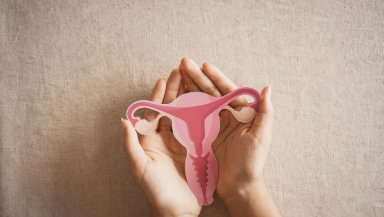
Endometriosis occurs when tissue similar to the lining of the uterus grows outside the uterus. These growths may appear on the ovaries, fallopian tubes, pelvic lining, or nearby organs.
Just like the uterine lining, this tissue responds to hormonal changes during the menstrual cycle. It thickens and breaks down each month. However, because the tissue is located outside the uterus, it cannot exit the body.
This leads to inflammation in the surrounding tissues. Inflammation can cause pain, swelling, digestive discomfort, and fatigue.
Because inflammation plays such an important role in endometriosis symptoms, many researchers are studying whether dietary changes that reduce inflammation may help improve symptoms.
Suggested image: Illustration showing inflammation in pelvic tissues affected by endometriosis.
What Is an Anti-Inflammatory Diet?
An anti-inflammatory diet focuses on foods that help reduce inflammation in the body. It also limits foods that may increase inflammatory responses.
This approach emphasizes natural, nutrient rich foods such as vegetables, fruits, whole grains, nuts, seeds, and healthy fats.
These foods contain vitamins, minerals, antioxidants, and plant compounds that support immune function and reduce inflammation.
On the other hand, highly processed foods, refined sugars, and certain unhealthy fats may increase inflammation in the body.
For women with endometriosis, reducing inflammation may help manage symptoms such as pelvic pain and bloating.
Suggested image: Visual chart comparing anti-inflammatory foods with pro-inflammatory foods.
Foods That May Help Reduce Inflammation
Fruits and Vegetables
Fruits and vegetables are rich in antioxidants and fiber. Antioxidants help protect the body’s cells from damage caused by inflammation.
Leafy green vegetables such as spinach and kale are particularly rich in nutrients that support immune health.
Colorful fruits like berries, oranges, and pomegranates also contain plant compounds that may help reduce inflammation.
Whole Grains
Whole grains such as oats, brown rice, and quinoa provide fiber and essential nutrients.
Fiber supports digestive health and may help reduce inflammation in the gut. Maintaining good digestive health can be important for women experiencing endometriosis digestive symptoms such as bloating or bowel discomfort.
Healthy Fats
Healthy fats, especially omega 3 fatty acids, have anti-inflammatory properties.
These fats are commonly found in fatty fish such as salmon, sardines, and mackerel. Plant sources include walnuts, flaxseeds, and chia seeds.
Omega 3 fats may help reduce inflammatory chemicals in the body.
Nuts and Seeds
Nuts and seeds provide healthy fats, protein, and antioxidants. Almonds, walnuts, sunflower seeds, and pumpkin seeds are good examples.
These foods may support overall health and help maintain stable energy levels.
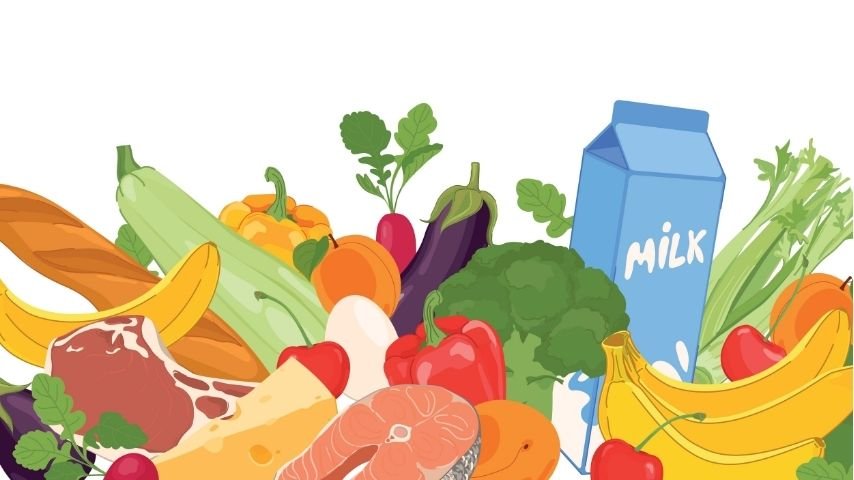
Suggested image: Plate illustration showing foods commonly included in an anti-inflammatory diet.
Foods That May Increase Inflammation
Certain foods may worsen inflammation in some individuals.
Highly processed foods often contain refined sugars, unhealthy fats, and additives that can promote inflammation.
Sugary drinks and desserts may cause rapid spikes in blood sugar levels, which can trigger inflammatory responses.
Some studies also suggest that high intake of processed red meat may be associated with increased inflammation.
Reducing these foods may help some women manage symptoms more effectively.
Suggested image: Illustration showing processed foods commonly linked to inflammation.
The Role of Gut Health in Endometriosis
Many women with endometriosis experience digestive symptoms such as bloating, constipation, or diarrhea.
Gut health plays an important role in regulating inflammation in the body.
A balanced diet that includes fiber rich foods can support healthy gut bacteria. These beneficial bacteria help maintain digestive balance and may reduce inflammation.
Fermented foods such as yogurt, kefir, and certain traditional foods may also support gut health.
Maintaining a healthy gut environment may contribute to better symptom control for some women.
Suggested image: Diagram showing the connection between gut health and inflammation.
What Research Says About Diet and Endometriosis
Scientific research on diet and endometriosis is still evolving.
Some studies suggest that diets rich in fruits, vegetables, and omega 3 fatty acids may help reduce inflammation and improve symptoms.
Other research indicates that diets high in processed foods and trans fats may worsen inflammation.
However, diet alone cannot cure endometriosis. Medical treatments remain the most effective way to control the condition.
Dietary changes should be viewed as a supportive approach rather than a replacement for medical care.
Creating a Balanced Eating Pattern
Instead of focusing on strict restrictions, many experts recommend building a balanced eating pattern.
Meals that include vegetables, whole grains, healthy proteins, and healthy fats provide the nutrients the body needs to function properly.
Staying hydrated is also important for overall health and digestion.
Some women find it helpful to keep a food and symptom diary. This can help identify foods that may trigger or worsen symptoms.
Because every individual is different, dietary responses may vary from person to person.
Lifestyle Factors That Support Symptom Relief
Diet is only one part of managing endometriosis.
Regular physical activity can help improve blood circulation and reduce inflammation.
Adequate sleep is essential because chronic pain and hormonal changes can affect energy levels.
Stress management techniques such as relaxation exercises or meditation may also support overall well being.
Combining medical treatment with healthy lifestyle habits can help improve long term symptom management.
When to Speak With a Doctor or Nutrition Expert
Women with endometriosis should consult their doctor before making major dietary changes, especially if they have other health conditions.
A registered dietitian or nutrition expert can help design a balanced diet plan that supports overall health.
Professional guidance ensures that nutritional needs are met while addressing specific symptoms.
Conclusion
Endometriosis is a complex condition that causes inflammation and a variety of symptoms. While diet cannot cure the condition, an anti-inflammatory eating pattern may support overall health and help reduce inflammation.
Foods rich in antioxidants, fiber, and healthy fats may contribute to better symptom management when combined with appropriate medical treatment.
A balanced diet, along with healthy lifestyle habits and regular medical care, can help women manage endometriosis more effectively.
If you are living with endometriosis and want to explore ways to manage symptoms more effectively, speak with your doctor or a qualified nutrition expert. A personalized treatment plan that combines medical care with supportive lifestyle changes can help improve overall quality of life.
References and Sources
World Health Organization – Endometriosis
American College of Obstetricians and Gynecologists