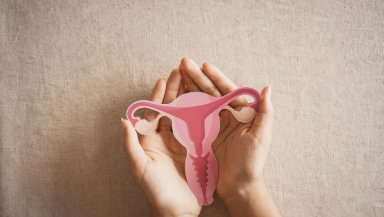
Can Endometriosis Cause Fatigue, Back Pain, and Bloating? Understanding the Silent Symptoms

Medicine Made Simple Summary
Endometriosis is commonly associated with severe period pain, but many women experience other symptoms that are less obvious. Persistent fatigue, lower back pain, and abdominal bloating are often overlooked signs of the condition. Because these symptoms can resemble everyday stress, digestive problems, or muscle strain, they are frequently ignored. In endometriosis, tissue similar to the lining of the uterus grows outside the uterus and causes inflammation in the pelvic area. This inflammation can affect nearby nerves and organs, leading to symptoms beyond menstrual cramps. Recognizing these silent endometriosis symptoms can help women seek medical care earlier and receive proper treatment.
Understanding Endometriosis
Endometriosis is a condition in which tissue similar to the lining of the uterus grows outside the uterus. Normally, the inner lining of the uterus thickens and sheds each month during menstruation.
In endometriosis, this tissue grows in areas where it should not be. Common locations include the ovaries, fallopian tubes, outer surface of the uterus, and pelvic lining. In some cases, it may also appear on the bladder or intestines.
Just like the uterine lining, this tissue responds to hormonal changes during the menstrual cycle. Each month it thickens and then breaks down. However, because it is located outside the uterus, the tissue cannot leave the body easily.
This leads to inflammation, irritation, and sometimes scar tissue formation. Over time, this process can cause chronic pain and a variety of other symptoms.
Suggested image: Diagram comparing a normal uterus with areas affected by endometriosis.
Why Endometriosis Symptoms Are Often Overlooked
Many people associate endometriosis only with painful periods. However, the condition can cause symptoms throughout the body because the pelvic region contains many important organs and nerves.
Inflammation from endometriosis can affect nearby tissues and trigger symptoms that do not immediately appear related to reproductive health.
Because symptoms such as fatigue or bloating are common in everyday life, they may be attributed to stress, poor sleep, or diet. As a result, many women live with these symptoms for years before realizing they may be linked to endometriosis.
Understanding these silent symptoms can help identify the condition earlier.
Suggested image: Illustration highlighting multiple symptoms of endometriosis affecting different areas of the body.
How Endometriosis Causes Fatigue
Extreme tiredness is one of the most commonly reported but least discussed symptoms of endometriosis.
Inflammation plays a major role in this fatigue. The body’s immune system responds to endometriosis tissue by releasing chemicals that trigger inflammation. This ongoing inflammatory response can drain energy levels and make the body feel constantly tired.
Pain can also contribute to fatigue. When a person experiences chronic pain, the body remains in a state of stress. Over time, this can lead to exhaustion.
Sleep disturbances are another factor. Pelvic pain or discomfort during menstruation may disrupt sleep patterns, preventing proper rest.
Hormonal changes related to the menstrual cycle can further contribute to fatigue.
Many women describe feeling unusually tired before or during their period, even when they have had enough sleep.
Suggested image: Infographic showing how inflammation and pain contribute to fatigue in endometriosis.
Understanding Lower Back Pain in Endometriosis
Lower back pain is another symptom that may occur in women with endometriosis.
The pelvis contains several nerves that connect to the lower back and legs. When endometriosis causes inflammation in the pelvic area, it can irritate these nerves.
This irritation may lead to pain that spreads to the lower back or even down the legs.
In some cases, scar tissue formed by endometriosis may pull on surrounding structures, causing discomfort in the back.
Women may notice that back pain becomes worse during their menstrual cycle.
Because back pain is common in many people, it is often attributed to posture problems, muscle strain, or long hours of sitting.
However, if back pain regularly appears around the time of menstruation, it may be related to endometriosis.
Suggested image: Diagram showing pelvic nerves and how endometriosis pain can radiate to the lower back.
What Is “Endo Belly” and Why Does It Happen?
Many women with endometriosis report severe abdominal bloating, often called “endo belly.”
This bloating can cause the abdomen to swell noticeably. Some women find that their clothes feel tight or uncomfortable during certain times of the month.
Inflammation in the pelvic area can affect the digestive organs, leading to gas buildup and bloating.
Hormonal changes during the menstrual cycle may also influence digestion and fluid retention.
In addition, endometriosis lesions located near the intestines can interfere with normal bowel movement and digestion.
The result is abdominal swelling that may come and go throughout the menstrual cycle and may be linked to endometriosis digestive symptoms.
Suggested image: Illustration showing abdominal bloating associated with endometriosis.
Other Silent Symptoms of Endometriosis
Besides fatigue, back pain, and bloating, several other symptoms may appear subtle at first.
Some women experience chronic pelvic discomfort that continues throughout the month.
Others may notice pain during intercourse, which can occur when endometriosis affects deeper pelvic tissues.
Digestive symptoms such as nausea, constipation, or diarrhea may also occur, especially during menstruation.
Mood changes may happen as well. Chronic pain and hormonal fluctuations can affect emotional well being.
Because these symptoms vary from person to person, endometriosis can look different in every individual.
When Silent Symptoms Should Raise Concern
Occasional bloating or tiredness is normal. However, symptoms should not be ignored if they follow a pattern related to the menstrual cycle.
Fatigue that interferes with daily life, severe bloating that occurs regularly during periods, or back pain that worsens with menstruation may indicate an underlying condition.
Symptoms that gradually worsen over time also deserve medical attention.
Recognizing these patterns can help doctors identify endometriosis earlier.
How Doctors Diagnose Endometriosis
Doctors usually begin by discussing symptoms and medical history. They may ask about menstrual cycles, pain patterns, digestive symptoms, and fatigue.
A pelvic examination may help detect tenderness or abnormalities.
Imaging tests such as ultrasound or MRI can sometimes identify cysts associated with endometriosis.
However, small lesions may not appear on imaging scans.
The most reliable way to diagnose endometriosis is through a minimally invasive procedure called laparoscopy. During this procedure, a small camera is inserted into the abdomen to directly examine pelvic organs.
If abnormal tissue is found, it may be removed or biopsied.
Suggested image: Illustration showing laparoscopic surgery used for diagnosing endometriosis.
Managing Silent Symptoms of Endometriosis
Treatment focuses on reducing pain and controlling the growth of endometriosis tissue.
Hormonal treatments may help regulate the menstrual cycle and slow disease progression.
Pain management strategies may include medications that reduce inflammation.
In some cases, surgery may be recommended to remove endometriosis lesions as part of broader endometriosis treatment options.
Lifestyle measures can also support symptom management. Regular exercise, balanced nutrition, adequate sleep, and stress management may help improve overall well being.
Support groups and counseling may also help women cope with the emotional impact of chronic pain.
Why Awareness of Silent Symptoms Is Important
Many women with endometriosis spend years searching for answers. When symptoms such as fatigue or bloating are dismissed as normal, the underlying condition may remain undiagnosed.
Greater awareness about the silent symptoms of endometriosis can help reduce diagnostic delays.
Early medical evaluation allows for better symptom management and improved quality of life.
Understanding that period related symptoms extend beyond cramps is an important step toward better reproductive health.
Conclusion
Endometriosis is more than just painful periods. The condition can cause a range of silent symptoms, including fatigue, lower back pain, and abdominal bloating.
Because these symptoms are often mistaken for everyday discomfort, many women do not realize they may be connected to a gynecological condition.
Recognizing patterns related to the menstrual cycle and seeking medical advice when symptoms persist can lead to earlier diagnosis and more effective treatment.
If you regularly experience severe fatigue, back pain, or abdominal bloating that worsens during your menstrual cycle, consider discussing these symptoms with a gynecologist. Early evaluation can help determine whether endometriosis or another condition may be affecting your health, especially when evaluating endometriosis and fertility or other long term concerns.
References and Sources
World Health Organization – Endometriosis
American College of Obstetricians and Gynecologists