Is Your Period Pain Normal? 10 Early Signs of Endometriosis Many Women Ignore

Medicine Made Simple Summary
Many women believe that painful periods are a normal part of life. Mild discomfort during menstruation is common, but severe or persistent pain may signal an underlying condition called endometriosis. This condition occurs when tissue similar to the lining of the uterus grows outside the uterus, causing inflammation and pain. Because the endometriosis symptoms can resemble normal menstrual discomfort, many women ignore the early warning signs. Recognizing these symptoms early can help with timely diagnosis and treatment, improving quality of life and protecting fertility in the long term.
Understanding Period Pain: What Is Normal?
Most women experience some level of discomfort during their menstrual cycle. This pain is known as menstrual cramps or dysmenorrhea. It happens because the uterus contracts to shed its lining during menstruation. These contractions are triggered by chemicals called prostaglandins.
Normal menstrual cramps usually start just before or during the first day of the period. The pain is often felt in the lower abdomen or lower back. For many women, it improves within one to two days and responds well to simple remedies such as rest, heat packs, or mild pain relief medication.
However, when the pain becomes severe, lasts longer, or interferes with daily activities such as school, work, or sleep, it may indicate something more serious. One possible cause is endometriosis.
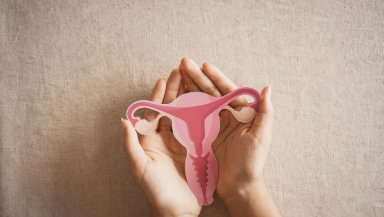
Suggested image: Diagram showing the uterus and pelvic organs with normal uterine lining vs endometriosis tissue growing outside the uterus.
What Is Endometriosis?
Endometriosis is a condition in which tissue similar to the inner lining of the uterus, called the endometrium, grows outside the uterus. These growths are commonly found on the ovaries, fallopian tubes, outer surface of the uterus, and the pelvic lining. In some cases, they may also appear on the bladder or intestines, which can lead to endometriosis digestive symptoms in certain patients.
Just like the uterine lining, these tissues respond to hormonal changes during the menstrual cycle. They thicken and break down every month. However, unlike the normal uterine lining, this tissue has no easy way to leave the body. As a result, it can cause inflammation, swelling, scar tissue formation, and severe pain.
Endometriosis affects millions of women worldwide, especially during their reproductive years. Unfortunately, it is often underdiagnosed because its symptoms are mistaken for normal period pain.
Suggested image: Illustration showing endometrial tissue growth outside the uterus and areas commonly affected.
Why Endometriosis Often Goes Unnoticed
Many women grow up hearing that period pain is something they simply have to tolerate. Because of this belief, symptoms of endometriosis are often ignored or normalized.
Studies show that it can take several years before a woman receives the correct diagnosis. During this time, the symptoms may worsen and start affecting daily life.
Another reason for delayed diagnosis is that symptoms vary widely from person to person. Some women experience intense pain, while others may have mild symptoms but still develop complications such as infertility.
Understanding the early warning signs is the first step toward recognizing when period pain might not be normal.
10 Early Signs of Endometriosis Many Women Ignore
Severe Menstrual Cramps
The most common symptom of endometriosis is intense menstrual pain. This pain may begin several days before the period starts and continue even after it ends. Unlike typical cramps, the pain may feel sharp, stabbing, or deep in the pelvis.
If pain medication provides little relief or the pain disrupts everyday activities, it should not be ignored.
Pain During or After Intercourse
Pain during sexual intercourse is another important warning sign. This pain is often felt deep in the pelvis and may continue even after intercourse has ended. Many women feel embarrassed discussing this symptom, which is why it often goes unreported.
Heavy Menstrual Bleeding
Some women with endometriosis experience unusually heavy periods. This may include soaking through sanitary products quickly or having periods that last longer than usual.
Heavy bleeding can also lead to fatigue and anemia over time.
Chronic Pelvic Pain
Pelvic pain that continues throughout the month, not just during periods, can be another sign of endometriosis. The pain may feel dull, constant, or pressure-like in the lower abdomen or pelvis.
Painful Bowel Movements During Periods
Endometriosis can affect areas near the intestines. This may cause pain during bowel movements, especially during menstruation. Some women may also notice constipation or diarrhea during their periods.
Pain While Urinating During Menstruation
In some cases, endometriosis affects the bladder or urinary tract. This can lead to pain while urinating, particularly during menstrual periods.
Persistent Bloating
Many women with endometriosis experience a symptom often referred to as “endo belly.” This involves severe bloating or swelling of the abdomen, especially around the time of menstruation.
Lower Back Pain
Pain may also radiate to the lower back or down the legs. This occurs because pelvic inflammation can irritate nearby nerves.
Difficulty Getting Pregnant
Endometriosis can affect fertility in some women. In fact, many women are diagnosed with the condition while seeking treatment for infertility.
Extreme Fatigue
Chronic inflammation and pain can lead to severe tiredness. Many women with endometriosis report feeling exhausted even after adequate rest.
Suggested image: Infographic showing the ten early signs of endometriosis affecting different parts of the body.
How Is Endometriosis Diagnosed?
Diagnosing endometriosis can sometimes be challenging because symptoms overlap with other conditions.
Doctors usually begin with a detailed medical history and discussion about symptoms. A pelvic examination may also be performed to check for abnormalities.
Imaging tests such as ultrasound or MRI can sometimes identify cysts related to endometriosis, known as endometriomas. However, smaller lesions may not appear on scans.
The most definitive way to diagnose endometriosis is through a minimally invasive surgical procedure called laparoscopy. During this procedure, a surgeon inserts a thin camera through a small incision in the abdomen to directly view and sometimes remove abnormal tissue.
Suggested image: Illustration showing laparoscopic surgery used to diagnose endometriosis.
Treatment Options for Endometriosis
Treatment depends on several factors, including the severity of symptoms, age, and whether the woman plans to have children.
Pain management may include medications that reduce inflammation or hormonal treatments that control the menstrual cycle. Hormonal therapies can help slow the growth of endometriosis tissue.
In more severe cases, surgery may be recommended to remove endometriosis lesions and scar tissue. Advanced minimally invasive procedures can help relieve symptoms while preserving reproductive organs as part of different endometriosis treatment options.
Lifestyle measures such as regular exercise, adequate sleep, and stress management may also help reduce symptoms for some women. In addition, dietary adjustments such as following a supportive diet for endometriosis may help some individuals manage inflammation and discomfort.
Why Early Diagnosis Matters
Endometriosis is a chronic condition, but early diagnosis can significantly improve quality of life. Timely treatment can help control symptoms, reduce complications, and protect fertility.
Ignoring severe period pain may allow the condition to progress. Over time, untreated endometriosis can lead to extensive scar tissue, chronic pelvic pain, and reproductive challenges.
Recognizing the warning signs early allows women to seek appropriate medical care and take control of their health.
When Should You See a Doctor?
It is important to consult a doctor if menstrual pain interferes with daily life or does not improve with usual remedies.
Medical advice should also be sought if periods are extremely heavy, if pelvic pain continues throughout the month, or if pain occurs during intercourse or bowel movements.
Early medical evaluation can help rule out other conditions and identify endometriosis if it is present.
Living With Endometriosis
Although endometriosis can be challenging, many women successfully manage their symptoms with proper treatment and lifestyle adjustments.
Education, awareness, and open conversations about menstrual health are important steps toward reducing the delay in diagnosis that many women face.
No one should feel that severe pain during menstruation is something they simply have to endure.
Conclusion
Period pain is common, but it should not control your life. When cramps become severe, persistent, or accompanied by other symptoms such as heavy bleeding or pelvic pain, it may be a sign of endometriosis. Recognizing these early warning signs can lead to timely medical care and effective treatment. Understanding your body and seeking medical advice when symptoms seem unusual can make a significant difference in long term health and well being.
If you or someone in your family experiences severe menstrual pain or symptoms that interfere with daily life, it is important to consult a gynecologist for proper evaluation. Early diagnosis and appropriate treatment can help manage symptoms and improve overall quality of life.
References and Sources
World Health Organization – Endometriosis
American College of Obstetricians and Gynecologists – Endometriosis