When Should You Consider Surgery for Endometriosis? Signs Medical Treatment Isn’t Enough
Medicine Made Simple Summary
Endometriosis can often be managed with medications such as pain relievers and hormone therapy. However, in some cases these treatments may not provide enough relief. When endometriosis symptoms continue to interfere with daily life, surgery may be considered. The most common surgical approach is minimally invasive laparoscopy, where doctors remove endometriosis tissue from the pelvic organs as part of endometriosis surgery. Surgery may help reduce pain, improve quality of life, and in some cases increase the chances of pregnancy. Understanding when surgery is recommended helps patients make informed decisions and work with their doctor to choose the best treatment plan.
Understanding Endometriosis and Its Impact
Endometriosis occurs when tissue similar to the lining of the uterus grows outside the uterus. These growths may appear on the ovaries, fallopian tubes, pelvic lining, bladder, or intestines.
Like the uterine lining, this tissue responds to hormonal changes during the menstrual cycle. It thickens and breaks down every month.
However, because the tissue is outside the uterus, it cannot leave the body normally. This leads to inflammation, swelling, and sometimes scar tissue formation.
Over time, this process can cause chronic pelvic pain, digestive symptoms including endometriosis digestive symptoms, heavy periods, and fertility problems.
Many women manage their symptoms with medications. However, when symptoms become severe or persistent, surgical treatment may be considered.
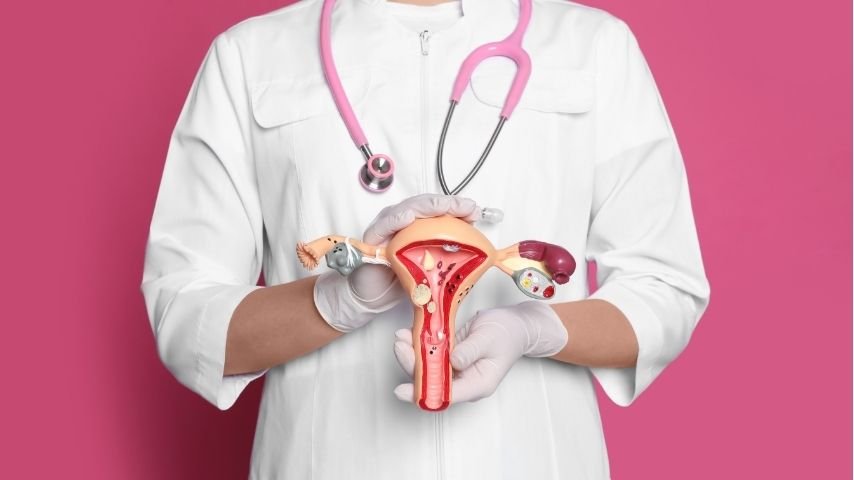
Suggested image: Diagram showing endometriosis lesions affecting pelvic organs.
First Line Treatment for Endometriosis
Doctors usually begin treatment with non surgical options.
Pain relief medications may be recommended to reduce inflammation and control menstrual cramps.
Hormonal treatments such as birth control pills or other hormone therapies may help regulate the menstrual cycle and slow the growth of endometriosis tissue.
These treatments can be effective for many women, especially when symptoms are mild to moderate.
However, medications do not remove existing endometriosis lesions. They mainly control symptoms and prevent further growth.
In some cases, symptoms continue despite treatment, particularly when the early signs of endometriosis were not recognized early.
Signs Medical Treatment May Not Be Enough
Persistent Severe Pain
If pelvic pain continues despite medication or hormone therapy, surgery may be considered.
Pain that interferes with daily activities, work, or sleep can significantly affect quality of life.
Removing endometriosis lesions through surgery may help reduce this pain.
Endometriosis Affecting Other Organs
In some cases, endometriosis may grow on organs such as the bladder, intestines, or ureters.
When this happens, symptoms such as painful bowel movements, urinary discomfort, or severe digestive issues may occur.
Surgery may be necessary to remove these lesions and prevent complications.
Large Ovarian Cysts
Endometriosis can lead to the formation of ovarian cysts called endometriomas.
These cysts contain old blood and may cause pelvic pain or pressure.
If cysts become large or cause symptoms, surgical removal may be recommended.
Suggested image: Illustration showing an ovarian endometrioma.
Difficulty Getting Pregnant
Endometriosis can affect fertility by causing scar tissue and inflammation around the reproductive organs.
In some cases, surgery may improve fertility by removing lesions and restoring normal anatomy.
Women who are trying to conceive may be advised to discuss surgical options with their doctor.
Symptoms Continue to Worsen
Endometriosis can progress over time in some individuals.
If symptoms become more severe despite medical treatment, surgery may help manage the disease more effectively.
Types of Surgery for Endometriosis
Laparoscopic Surgery
Laparoscopy is the most common surgical treatment for endometriosis.
This minimally invasive procedure is performed using small incisions in the abdomen.
A thin camera called a laparoscope allows surgeons to see inside the pelvic cavity.
Special instruments are used to remove or destroy endometriosis lesions.
Because the incisions are small, recovery is usually faster than traditional surgery.
Suggested image: Illustration showing laparoscopic removal of endometriosis tissue.
Excision Surgery
Excision surgery involves carefully cutting out endometriosis lesions.
This method aims to remove the entire affected tissue rather than simply destroying the surface.
Excision surgery is often considered one of the most effective approaches for reducing pain and lowering the risk of recurrence.
Removal of Endometriomas
If ovarian cysts related to endometriosis are present, surgeons may remove them during laparoscopy.
This procedure helps relieve pain and may improve fertility outcomes.
Benefits of Surgical Treatment
Surgery can provide significant relief for many women with moderate to severe endometriosis.
Removing endometriosis lesions may reduce inflammation and chronic pelvic pain.
In some cases, surgery may improve fertility by restoring normal anatomy of the reproductive organs.
For women whose symptoms do not respond to medication, surgery can improve overall quality of life.
Possible Risks and Considerations
Like any medical procedure, surgery carries certain risks.
These may include infection, bleeding, or damage to nearby organs.
Another important consideration is that endometriosis can sometimes return even after surgery.
For this reason, doctors may recommend continued medical treatment after surgery to help reduce recurrence.
Discussing potential benefits and risks with a healthcare provider is important before deciding on surgery.
Recovery After Endometriosis Surgery
Recovery time depends on the extent of surgery and individual health factors.
Most laparoscopic procedures allow patients to return home within a day.
Many women resume normal activities within one to two weeks.
Doctors may recommend avoiding heavy lifting or strenuous exercise during the initial recovery period.
Follow up appointments help ensure proper healing and allow doctors to monitor symptoms.
Living With Endometriosis After Surgery
Surgery is often part of a long term treatment strategy.
Some women continue hormone therapy after surgery to help control symptoms and prevent recurrence.
Maintaining a healthy lifestyle that includes regular exercise, balanced nutrition, and stress management may also support recovery.
Regular medical follow up allows doctors to monitor symptoms and adjust treatment if needed.
Conclusion
Endometriosis can often be managed with medications and hormone therapy. However, when symptoms persist or become severe, surgery may provide relief.
Minimally invasive procedures such as laparoscopy allow doctors to remove endometriosis tissue and improve quality of life.
Understanding when surgery may be needed helps patients make informed decisions and work closely with their healthcare team to choose the best treatment plan.
If you are experiencing severe pelvic pain, persistent symptoms despite medication, or fertility challenges related to endometriosis, consult a gynecologist for a comprehensive evaluation. Early intervention and appropriate treatment can help improve long term health and quality of life.
References and Sources
World Health Organization – Endometriosis
American College of Obstetricians and Gynecologists