How to Choose the Right Endometriosis Specialist: Questions to Ask Your Gynecologist
Medicine Made Simple Summary
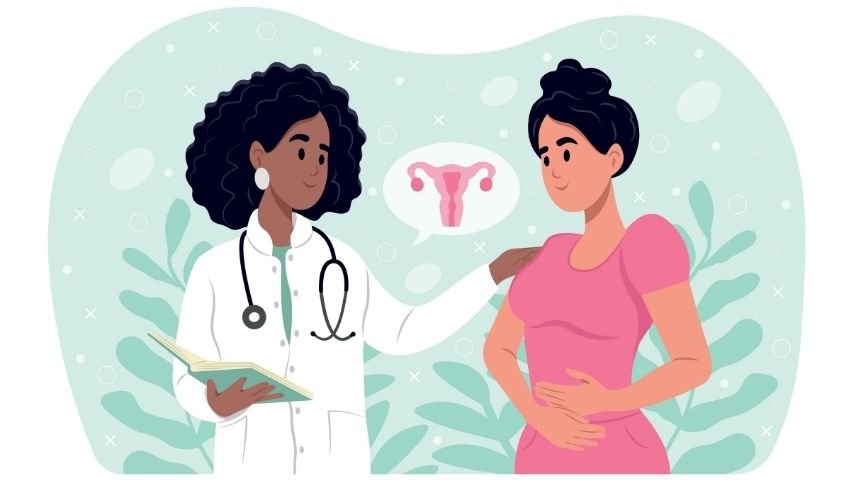
Endometriosis is a complex condition that can cause chronic pain, digestive symptoms, and fertility problems. Many women initially notice early signs of endometriosis, but because symptoms and treatment needs vary from person to person, choosing the right doctor is an important step in managing the condition. A gynecologist experienced in diagnosing and treating endometriosis can help create a treatment plan tailored to your needs. Understanding what to look for in a specialist and knowing which questions to ask during your consultation can help you make informed decisions and receive the best possible care.
Understanding Why Specialist Care Matters
Endometriosis is not just a condition of painful periods. It can affect multiple organs in the pelvic region and sometimes involve the bladder, intestines, or reproductive organs.
Diagnosing and managing the condition requires careful evaluation and experience. Some cases may be mild and respond well to medication. Others may involve deeper lesions or scar tissue that require specialized endometriosis surgery.
Because of this complexity, seeing a gynecologist with experience in endometriosis management can make a significant difference in diagnosis, treatment planning, and long term care.
What Is an Endometriosis Specialist?
An endometriosis specialist is usually a gynecologist with additional experience in diagnosing and treating the condition.
These doctors often have training in minimally invasive gynecological surgery and advanced pelvic procedures. They are familiar with the various ways endometriosis can appear in the body and the treatment options available.
Some specialists work as part of a multidisciplinary team that may include pain specialists, fertility experts, and gastrointestinal surgeons.
This team approach can be helpful because endometriosis sometimes affects multiple organs.
Signs You May Need a Specialist
Many women first consult a general gynecologist when experiencing symptoms such as painful periods or pelvic discomfort.
However, there are situations where seeing a specialist may be helpful.
Persistent pelvic pain that does not improve with medication may require further evaluation. Symptoms such as severe bloating, painful bowel movements during periods, or pain during intercourse may also indicate complex endometriosis.
Women experiencing difficulty getting pregnant may also benefit from specialist care.
A doctor experienced in endometriosis can provide more detailed evaluation and treatment options.
Suggested image: Infographic showing common symptoms that may require specialist care.
Qualities to Look for in an Endometriosis Specialist
When choosing a doctor, several factors can help guide the decision.
Experience with diagnosing and treating endometriosis is important. Doctors who regularly treat this condition are more familiar with its different presentations.
Training in minimally invasive surgery can also be beneficial because many endometriosis procedures are performed laparoscopically.
Communication style is another important factor. Patients should feel comfortable discussing symptoms and asking questions.
A supportive doctor who takes symptoms seriously can make a significant difference in the care experience.
Hospital facilities and access to a multidisciplinary team may also influence treatment outcomes.
Questions to Ask During Your Consultation
What Tests Will Be Needed for Diagnosis?
Understanding the diagnostic process helps patients know what to expect.
Doctors may recommend imaging tests such as ultrasound or MRI. In some cases, laparoscopy may be required to confirm the diagnosis.
Asking about these tests helps clarify the next steps in evaluation.
What Treatment Options Are Available?
Treatment plans vary depending on the severity of symptoms and the patient’s goals.
Doctors may recommend medications, hormone therapy, or surgery. Discussing these options allows patients to understand the benefits and limitations of each approach.
What Is Your Experience Treating Endometriosis?
It can be helpful to ask how often the doctor treats endometriosis and what types of cases they commonly manage.
Doctors experienced in managing complex cases may be better prepared to address advanced forms of the condition.
Will Surgery Be Necessary?
Some patients may require surgery if medications do not provide relief.
Understanding when surgery might be recommended helps patients prepare for future treatment decisions.
Suggested image: Illustration showing laparoscopic surgery used for endometriosis treatment.
How Can Endometriosis Affect Fertility?
Women who wish to have children may want to discuss fertility early in the treatment process.
Doctors can explain how the condition might affect fertility and what treatment options are available.
What Lifestyle Changes May Help Manage Symptoms?
Although medical treatment is important, lifestyle measures may also support symptom management.
Doctors may provide guidance on diet, exercise, and stress management strategies.
Preparing for Your Appointment
Preparing for a medical consultation can help make the visit more productive.
Patients may find it helpful to keep a record of symptoms, including when they occur and how severe they are.
Tracking menstrual cycles, pain levels, digestive symptoms, and fatigue can provide valuable information for doctors.
Bringing previous medical reports, imaging results, or medication records can also help doctors understand the patient’s medical history.
Preparing a list of questions before the appointment ensures that important topics are discussed.
Suggested image: Illustration showing a patient preparing notes before a doctor consultation.
The Importance of Shared Decision Making
Endometriosis treatment often involves multiple options. Shared decision making between the patient and doctor is an important part of care.
Patients should feel comfortable discussing their symptoms, concerns, and treatment preferences.
Open communication helps doctors design a treatment plan that aligns with the patient’s lifestyle, health goals, and reproductive plans.
Long Term Care for Endometriosis
Endometriosis is often a long term condition that requires ongoing management.
Regular follow up appointments help doctors monitor symptoms and adjust treatment plans when necessary.
Some women may need a combination of treatments over time, including medications, lifestyle changes, and occasionally surgery.
Working with a knowledgeable healthcare team can help manage symptoms more effectively and improve quality of life.
Conclusion
Choosing the right doctor for endometriosis care is an important step in managing the condition. A specialist with experience in diagnosing and treating endometriosis can provide accurate evaluation and recommend appropriate treatment options.
Asking the right questions during consultations helps patients better understand their condition and participate actively in treatment decisions.
With the right medical guidance and support, many women with endometriosis are able to manage symptoms and maintain a good quality of life.
If you are experiencing symptoms such as severe period pain, chronic pelvic discomfort, or unexplained digestive problems during menstruation, consider consulting a gynecologist experienced in endometriosis care. Early evaluation and the right specialist can help ensure timely diagnosis and effective treatment.
References and Sources
World Health Organization – Endometriosis
American College of Obstetricians and Gynecologists