Why Endometriosis Often Takes 7–10 Years to Diagnose: Symptoms Women Commonly Miss

Medicine Made Simple Summary
Endometriosis is a common condition that affects millions of women, yet it often takes many years to diagnose. On average, women wait seven to ten years before receiving the correct diagnosis. This delay happens because the symptoms are frequently mistaken for normal period pain, digestive problems, or stress. Many women also hesitate to seek help because menstrual pain is often considered normal. Understanding the reasons behind this delay and recognizing early symptoms can help women seek medical care sooner and receive the treatment they need.
Understanding Endometriosis
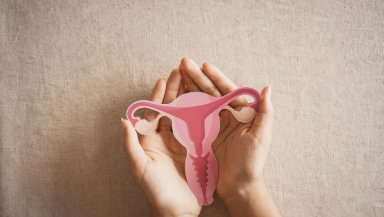
Endometriosis occurs when tissue similar to the inner lining of the uterus grows outside the uterus. Normally, the lining of the uterus thickens and sheds during each menstrual cycle. This is what causes menstrual bleeding.
In endometriosis, similar tissue grows in places where it should not be. These areas may include the ovaries, fallopian tubes, pelvic lining, bladder, or intestines. In rare cases, it can even appear outside the pelvic region.
These tissues respond to monthly hormonal changes just like the normal uterine lining. They swell and break down during each menstrual cycle. However, unlike the uterine lining, the tissue outside the uterus cannot easily leave the body. This causes inflammation, irritation, and sometimes scar tissue.
Over time, this process can lead to chronic pelvic pain and other symptoms that interfere with daily life.
Suggested image: Diagram showing normal uterus vs endometriosis lesions growing outside the uterus.
How Common Is Endometriosis?
Endometriosis affects about one in ten women during their reproductive years. This means millions of women around the world live with the condition.
Despite how common it is, the condition remains widely misunderstood. Many women spend years visiting different doctors before they receive the correct diagnosis.
This delay is not only frustrating but can also affect quality of life, mental health, and fertility.
Why Does Diagnosis Take So Long?
Symptoms Are Often Mistaken for Normal Period Pain
Many girls experience painful periods from their teenage years. Because of this, severe menstrual cramps are often considered normal.
Young women may hear phrases like “period pain is part of being a woman.” As a result, they may not seek medical advice even when the pain is severe.
Doctors may also initially assume that the symptoms are related to normal menstrual cramps rather than a medical condition.
Symptoms Can Vary Widely
One reason endometriosis is difficult to diagnose is that symptoms differ from person to person.
Some women experience severe pelvic pain, while others may have mild discomfort. Some women have digestive symptoms instead of pelvic pain.
Because the symptoms are so different, doctors may initially suspect other conditions.
Symptoms Overlap With Other Conditions
Endometriosis symptoms can resemble many other health conditions. For example, pelvic pain may be mistaken for urinary infections or muscle pain.
Digestive symptoms such as bloating, diarrhea, or constipation may lead to a diagnosis of irritable bowel syndrome, even though they may actually be related to endometriosis digestive symptoms.
Because of these similarities, women may receive treatment for other conditions before endometriosis is considered.
Imaging Tests May Not Always Detect It
Ultrasound and MRI scans are useful tools for diagnosing many medical conditions. However, smaller endometriosis lesions may not always appear on imaging tests.
If scans appear normal, symptoms may be dismissed even though the condition is present.
Lack of Awareness
Awareness about endometriosis is still limited in many communities. Many women do not know that severe period pain could indicate a medical condition.
Without proper awareness, symptoms may be ignored for years.
Suggested image: Timeline infographic showing how diagnosis is delayed due to multiple factors.
Symptoms Women Often Overlook
Severe Period Pain
Many women with endometriosis experience intense cramps during their periods. The pain may begin several days before menstruation and continue after it ends.
If pain disrupts school, work, or daily activities, it may indicate something more serious than normal menstrual cramps.
Pain During Intercourse
Pain during sexual activity is another symptom that is frequently overlooked. Many women feel uncomfortable discussing this issue with doctors.
However, this type of pain can be an important clue for diagnosing endometriosis.
Chronic Pelvic Pain
Some women experience pelvic pain throughout the month, not just during menstruation. This persistent discomfort may feel like pressure, dull aching, or sharp pain.
Heavy Menstrual Bleeding
Periods that last longer than usual or involve heavy bleeding can also be associated with endometriosis.
Heavy bleeding can lead to fatigue and anemia.
Digestive Problems
Endometriosis can affect the intestines and surrounding areas. This may lead to symptoms such as bloating, diarrhea, constipation, or nausea.
These symptoms are often mistaken for digestive disorders.
Fatigue
Chronic inflammation and ongoing pain can cause extreme tiredness. Many women report feeling exhausted even when they get enough sleep.
Lower Back Pain
Pain may radiate to the lower back or legs because pelvic inflammation can affect nearby nerves.
Difficulty Getting Pregnant
In some cases, women only discover endometriosis when they seek help for infertility.
Endometriosis can affect the reproductive organs and make conception more difficult.
Suggested image: Illustration highlighting areas where pain may occur in endometriosis.
How Doctors Diagnose Endometriosis
Diagnosis usually begins with a detailed medical history. Doctors ask about symptoms, menstrual patterns, and pain levels.
A pelvic examination may be performed to check for tenderness or abnormalities.
Imaging tests such as ultrasound or MRI may help identify ovarian cysts linked to endometriosis. These cysts are known as endometriomas.
However, the most reliable method of diagnosis is a procedure called laparoscopy. During this minimally invasive surgery, a thin camera is inserted through a small incision in the abdomen to look for endometriosis tissue.
If abnormal tissue is found, doctors may remove or biopsy it during the same procedure.
Suggested image: Illustration showing laparoscopic surgery for diagnosing endometriosis.
Why Early Diagnosis Matters
Early diagnosis can significantly improve quality of life. With proper treatment, many women experience relief from symptoms.
Early treatment can also help prevent complications such as severe scarring, chronic pain, or fertility problems.
When symptoms are recognized early, women can access the right medical care sooner and avoid years of uncertainty.
What You Should Do If You Suspect Endometriosis
Women should pay attention to symptoms that interfere with daily life. Severe pain during periods is not something that should be ignored.
Keeping a symptom diary can help identify patterns. Tracking pain, menstrual cycles, and digestive symptoms can provide useful information for doctors.
If symptoms persist or worsen, consulting an endometriosis specialist is an important step.
Conclusion
Endometriosis is a common yet often misunderstood condition. Because its symptoms resemble normal menstrual discomfort or digestive problems, many women experience years of delay before receiving the correct diagnosis.
Recognizing the warning signs early and seeking medical advice can shorten this delay and improve long term health outcomes.
Greater awareness about menstrual health can empower women to take their symptoms seriously and seek the care they deserve.
If severe period pain, pelvic discomfort, or unexplained digestive symptoms are affecting your daily life, it may be time to consult a gynecologist. Early evaluation and proper diagnosis can help identify endometriosis and allow timely treatment to improve quality of life.
References and Sources
World Health Organization – Endometriosis