What to Expect During Your First Upper GI Endoscopy (EGD)
Medicine Made Simple
An Upper GI Endoscopy, also called EGD, is a simple procedure used to examine the food pipe, stomach, and the first part of the small intestine using a thin flexible tube with a camera. It helps doctors find the cause of symptoms like acidity, stomach pain, difficulty swallowing, vomiting, or bleeding. The procedure is usually quick, safe, and done with mild sedation for comfort. Most patients go home the same day. Knowing what happens before, during, and after the test can make the experience much less stressful.
Understanding What an Upper GI Endoscopy (EGD) Means
An Upper GI Endoscopy is a test that allows the doctor to look directly inside the upper digestive system. The term EGD stands for Esophagogastroduodenoscopy.
The name sounds difficult, but the process is simple.
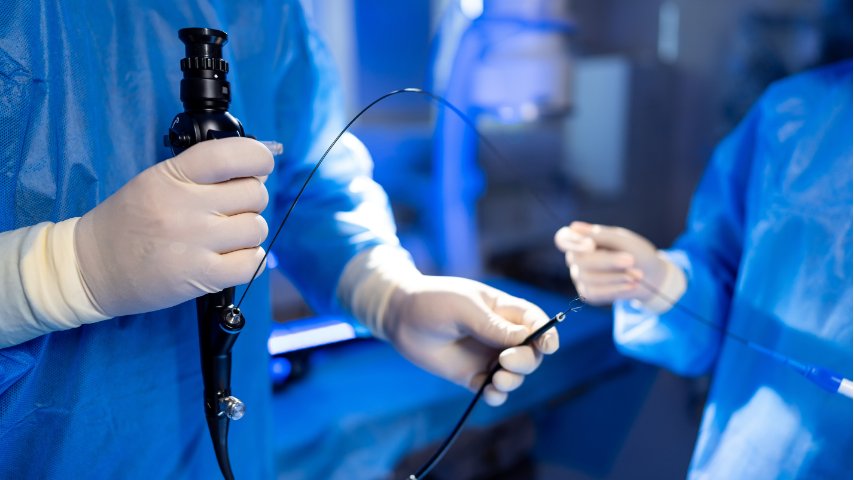
The doctor uses a thin, soft, flexible tube called an endoscope. At the tip of this tube is a small camera and light. This camera sends images to a screen so the doctor can clearly examine the inner lining of the digestive tract.
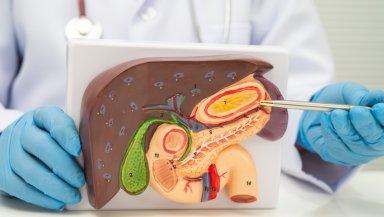
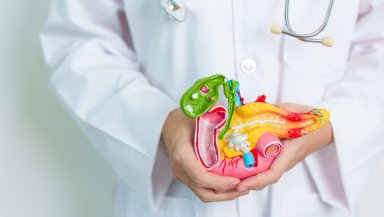
The areas checked include the esophagus, which is the food pipe that carries food from the mouth to the stomach, the stomach itself, and the duodenum, which is the first part of the small intestine.
Unlike scans or blood tests, this procedure gives a direct view of the inside of the body. This helps doctors find problems more accurately and sometimes even treat them during the same procedure.
Why Your Doctor May Recommend an EGD
Doctors usually suggest this test when symptoms continue for a long time or when they suspect a condition that needs closer examination.
Frequent acidity or heartburn is one of the most common reasons. If medicines are not helping or symptoms keep returning, an EGD helps find the reason and may sometimes be combined with pH monitoring for GERD for deeper evaluation.
Difficulty swallowing is another important reason. If food feels stuck or swallowing becomes painful, doctors may want to check for narrowing, swelling, or growths.
Persistent stomach pain, repeated nausea, vomiting, black stools, vomiting blood, unexplained weight loss, and anemia caused by hidden bleeding are also strong reasons for recommending an endoscopy.
Sometimes doctors also use EGD to diagnose ulcers, gastritis, infections, celiac disease, acid reflux disease, or early signs of cancer.
It is not only a test for diagnosis. It can also help in treatment such as stopping bleeding or removing small abnormal growths through procedures like therapeutic polypectomy.
Preparing for Your First Endoscopy
Preparation is very important because a clear and empty stomach helps the doctor see properly.
Most patients are asked not to eat or drink anything for at least 6 to 8 hours before the procedure. This includes water, tea, coffee, and even chewing gum unless your doctor gives special instructions.
This fasting is necessary because food inside the stomach can block the view and increase the risk of vomiting during the procedure.
Your doctor will also review your regular medicines.
People taking blood thinners, diabetes medicines, insulin, blood pressure tablets, or heart medicines may need temporary changes. Do not stop any medicine on your own. Always follow medical advice.
You should also tell your doctor if you have allergies, asthma, heart disease, breathing problems, or if you have reacted badly to anesthesia in the past.
Since sedation is commonly used, you should arrange for a family member or friend to take you home afterward.
What Happens on the Day of the Procedure
On the day of the test, you will arrive at the hospital or endoscopy center and complete the check-in process.
A nurse may ask questions about your symptoms, medical history, allergies, and whether you followed fasting instructions.
You will then meet the doctor who will explain the procedure and ask you to sign a consent form.
After that, you may change into a hospital gown and be taken to the procedure room.
Most patients receive a numbing throat spray first. This reduces the gag reflex and makes the procedure easier.
In many cases, mild sedation is also given through a small needle in the hand or arm. This medicine helps you relax and feel sleepy.
Some people stay awake but calm, while others remember very little afterward. Both are normal.
Step-by-Step: What Happens During the EGD Procedure
You will be asked to lie on your left side on the examination bed.
A small plastic mouth guard is placed between your teeth. This protects your teeth and the endoscope.
The doctor gently passes the endoscope through the mouth, down the throat, into the food pipe, stomach, and duodenum.
This sounds uncomfortable, but most patients manage it well because of the throat spray and sedation.
You can still breathe normally during the entire procedure. The tube does not block your breathing.
A small amount of air may be passed into the stomach to open the digestive tract and improve visibility. This may cause a temporary feeling of fullness.
The doctor carefully checks for redness, swelling, ulcers, infection, bleeding, narrowing, or abnormal growths.
If needed, the doctor may take a biopsy. This means removing a tiny piece of tissue for testing in the laboratory.
This does not usually cause pain because the inner lining of the digestive tract does not feel cutting the way skin does.
Sometimes treatment can also be done during the same procedure, such as stopping bleeding or removing small polyps.
How Long the Procedure Usually Takes
The actual endoscopy itself is usually short.
Most Upper GI Endoscopy procedures take around 10 to 20 minutes.
However, your total hospital visit may be around 2 to 3 hours because of preparation, waiting time, sedation, and recovery monitoring afterward.
If extra treatment or multiple biopsies are needed, the procedure may take a little longer.
Is an Upper GI Endoscopy Painful?
This is the biggest worry for most patients.
The procedure is usually not painful, but it can feel unusual.
You may feel mild pressure in the throat, temporary bloating from the air, or slight discomfort while the tube is being passed.
Most people describe it as uncomfortable rather than painful.
Because of sedation, many patients barely remember the procedure at all.
After the test, a mild sore throat for one day is common and usually improves without treatment.
Recovery After the Procedure
After the EGD, you will be moved to a recovery area where nurses monitor you while the sedation wears off.
Your blood pressure, pulse, and breathing will be checked.
You may feel sleepy, slightly bloated, or have a mild sore throat. This is expected and usually settles quickly.
Once you are fully awake, the doctor may explain the early findings.
If a biopsy was taken, the final results usually take a few days.
You should not drive, drink alcohol, sign important documents, or operate machines for the rest of the day if sedation was used.
Most people return to normal activities by the next day.
Eating is usually allowed once the numbness in the throat wears off. Soft foods and warm fluids may feel more comfortable at first.
Possible Risks and Complications
Upper GI Endoscopy is considered a very safe procedure, but like any medical test, small risks do exist.
These include mild bleeding, especially if a biopsy is taken, infection, reaction to sedation, or very rarely, injury to the food pipe or stomach wall.
Serious complications are uncommon.
Doctors only recommend this test when the benefits are clearly greater than the risks.
If you develop severe stomach pain, chest pain, fever, difficulty breathing, vomiting blood, or black stools after going home, contact your doctor immediately.
How to Reduce Fear Before Your First EGD
Feeling nervous before your first endoscopy is completely normal.
Most fear comes from not knowing what will happen.
Learning about the procedure often reduces anxiety.
Talk openly with your doctor. Ask questions and share your concerns.
Avoid reading frightening stories online without medical guidance. Many online experiences do not reflect the routine reality of the procedure.
Bring a trusted family member if possible. Emotional support helps a lot.
Remember that this test is done every day by trained doctors and nurses. Their focus is your comfort, safety, and accurate diagnosis.
Think of the procedure as a step toward finding answers and getting better treatment as part of preventive gastroenterology.
Conclusion
Your first Upper GI Endoscopy may feel intimidating, but in reality, it is a quick, safe, and very helpful procedure.
It gives doctors important answers that blood tests or scans may miss. Early diagnosis often means easier treatment and better long-term health. If your doctor has recommended an EGD, do not delay it because of fear.
The procedure is usually much easier than patients expect. If you are struggling with long-term acidity, swallowing problems, stomach pain, repeated vomiting, or unexplained digestive symptoms, speak to your doctor and understand whether an Upper GI Endoscopy is the right next step.
Taking action early can protect your digestive health and give you peace of mind.
References and Sources
American College of Gastroenterology – Upper Endoscopy Information
National Institute of Diabetes and Digestive and Kidney Diseases – Upper GI Endoscopy